
European Vineyards Under Siege: Flavescence Dorée Threatens a Continent’s Wine Heritage
European wine regions are facing an unprecedented threat from a devastating vineyard disease known as flavescence dorée (FD). This insidious ailment, transmitted by an invasive insect pest, is forcing winemakers to destroy young vines that should have yielded decades of harvests, jeopardizing the future of viticulture across the continent.
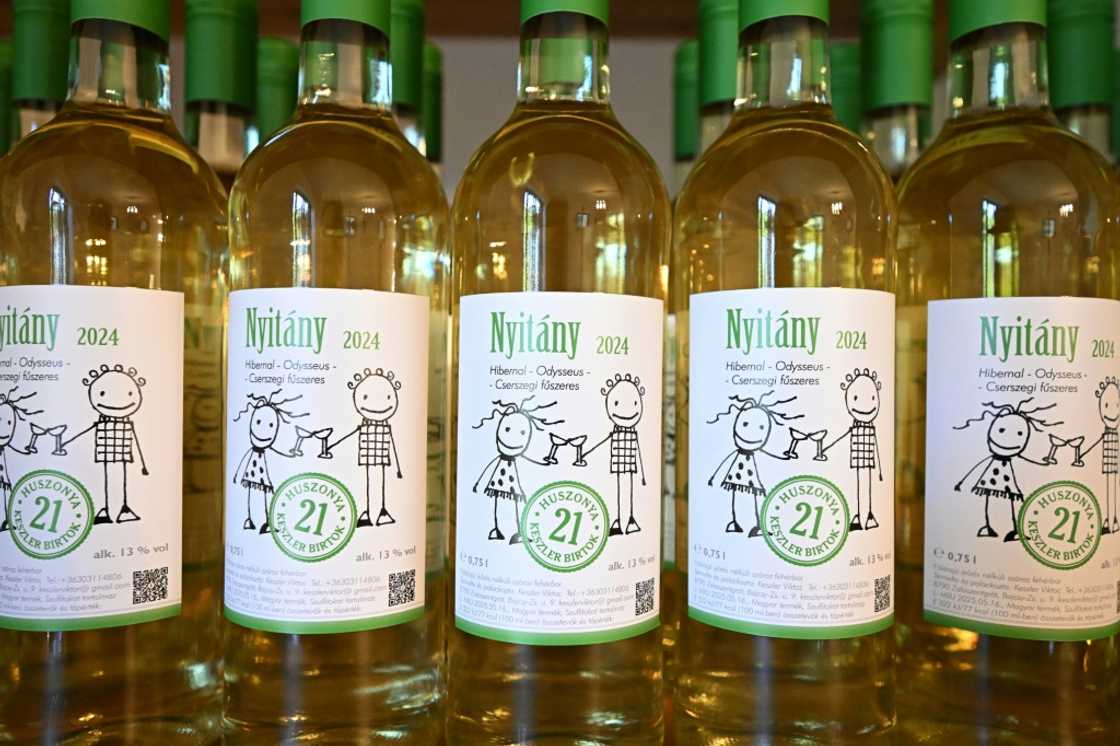
Hungarian winemaker Viktor Keszler, a 45-year-old with a passion for cultivating young vines, recently faced the heartbreaking reality of ripping out plants after only three harvests. These vines, which typically have a lifespan of at least 25 years, were infected by flavescence dorée, a disease that is rapidly spreading through Europe’s prized wine-producing areas.

“We spray our vineyard to protect it, but it is futile,” Keszler explained, detailing the relentless nature of the threat. “The leafhoppers carrying the disease move to untreated vineyards or wild vines nearby and return infected.”
Hungary, a nation recognized as the world’s 14th-largest wine producer by the International Organisation of Vine and Wine (OIV), is home to iconic wine regions such as the UNESCO-designated Tokaj. However, the OIV itself identifies FD as “one of the most dangerous diseases” currently menacing vineyards globally.
The Silent Spread of Flavescence Dorée
The primary vector for FD is the American grapevine leafhopper, an insect pest that has proliferated across central Europe in recent years. Experts point to a confluence of factors contributing to its alarming spread:
- Neglected Vines: Unmanaged or poorly maintained vineyards can serve as breeding grounds for the pest.
- Climate Change: Warmer winters, a direct consequence of climate change, allow the leafhopper populations to survive and thrive.
- Pesticide Regulations: The discontinuation of certain hazardous pesticides within the European Union, while beneficial for environmental reasons, has also inadvertently contributed to the proliferation of the insect.
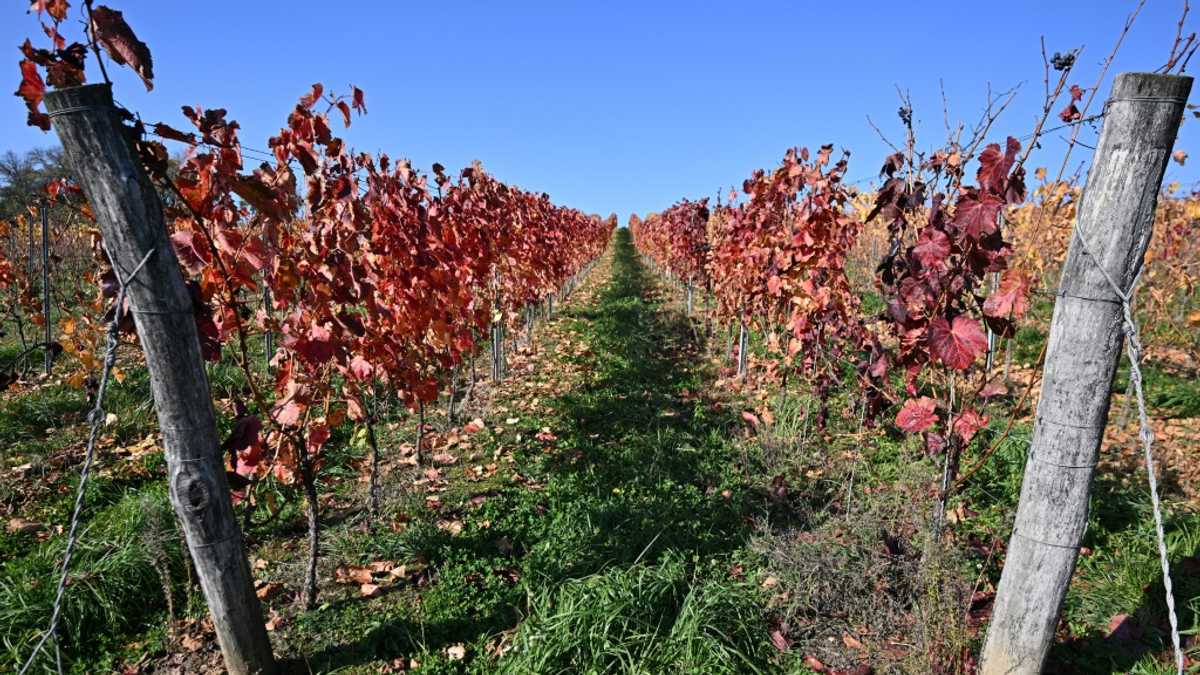
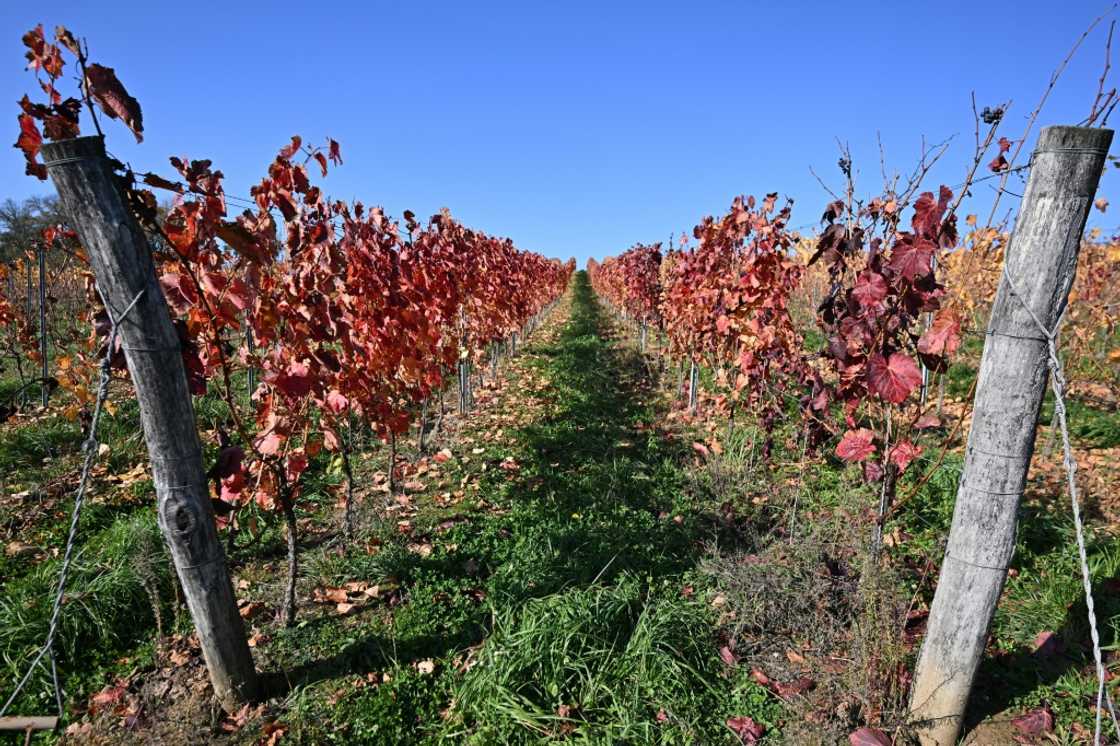
The symptoms of FD infection, typically characterized by discolored leaves, significantly reduce the productivity of infected vines. Crucially, there is no known cure for the disease, although it poses no risk to human health.
The first detection of FD in Hungary occurred in 2013. However, a significant concern voiced by many in the industry is that both winemakers and the government failed to take the threat seriously enough until recently. This year, the disease has been detected in a staggering 21 out of Hungary’s 22 wine regions, highlighting the urgency of the situation.
Small Producers Bear the Brunt
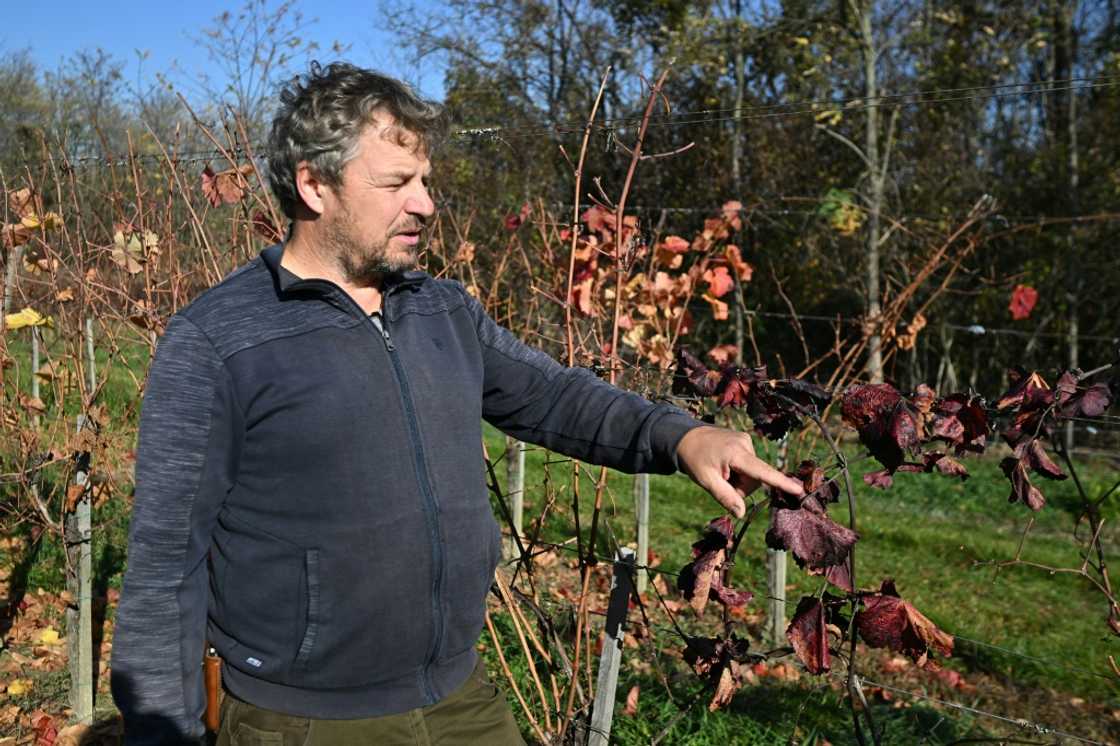
The latest outbreak disproportionately impacts smaller producers like Viktor Keszler. In 2010, he transformed his family’s vineyards in the picturesque Zalaszentgrot region into a business supplying young vines to other winemakers. This year, he was compelled to uproot half a hectare of his four-hectare vineyard due to the severe infection rate.
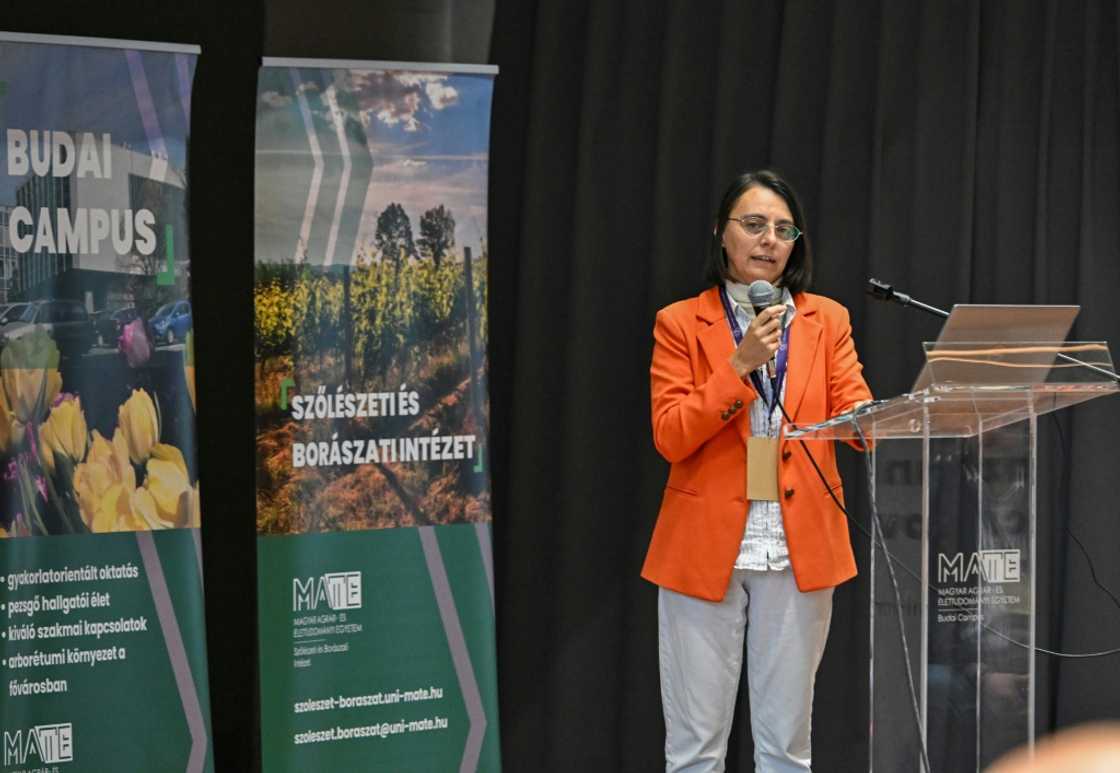
United by their shared predicament, Keszler and fellow winemakers joined forces this summer to raise awareness and sound the alarm. János Frittmann, head of the National Council of Wine Communities, issued a stark warning at the recent annual winemakers’ conference. “If we don’t take this seriously, it could effectively wipe out Hungarian grape production,” he stated.
Frittmann acknowledged that the industry was caught off guard by the severity of the outbreak. “Previously, winemakers were probably not alarmed enough; many did not even know the symptoms,” he confessed.
In response to the escalating crisis, the Hungarian government allocated approximately 10 million euros ($12 million) in September to bolster detection and protection efforts against the disease’s spread. Ministry inspectors have since examined close to 8,700 hectares of vineyards and collected thousands of samples. The agriculture ministry maintains that the government acted swiftly in the face of an “escalating epidemic” and that existing measures had helped “slow down” the disease’s progression over the past 12 years.
Criticisms and Calls for Proactive Measures
Despite government efforts, some critics argue that insufficient resources were dedicated to prevention, leaving the plant protection department of the food safety authority, NEBIH, “understaffed and underfunded.” Gergely Gáspár, a plant protection specialist, points to a lack of proactive measures and scientific groundwork.
Gáspár, who also produces grapevines himself and has lost all his own vines to FD, highlighted the specific challenges faced in Hungary. “Popular grape varieties in Hungary do not show textbook symptoms,” he explained, adding that this has led to disastrous consequences. He expressed frustration at the late realization of the problem, questioning the research efforts over the past decade.
“My biggest gripe is that we just learned this now in the midst of the crisis… What were researchers doing for the past 12 years?” Gáspár lamented.
Elisa Angelini, a researcher at the Italian Centre for Research in Viticulture and Enology, suggests that Hungarian wineries, like their counterparts in France and Italy, must learn to coexist with FD. She emphasizes that outbreaks are often difficult to prevent and are typically discovered in new areas an average of four years after initial infection, by which point eradication is often too late.
For winemakers like Viktor Keszler, the fight against FD can feel “hopeless” at times. However, he remains cautiously optimistic, believing that success hinges on the involvement of both the state and local municipalities. “But if the state and local municipalities become involved, then we can be successful,” he concluded. The future of Europe’s renowned wine heritage now rests on a concerted and proactive effort to combat this pervasive threat.