
Growing Tensions Over Israel’s Relations with Southeast Asian Nations
Recent developments have raised concerns about the shifting stance of two major Muslim countries in Southeast Asia—Indonesia and Malaysia—toward Israel. Both nations, historically aligned with Palestinian causes, are now showing signs of moving away from their long-standing policy of non-engagement with the Zionist state. This shift has sparked widespread debate and criticism from pro-Palestine groups, activists, and intellectuals.
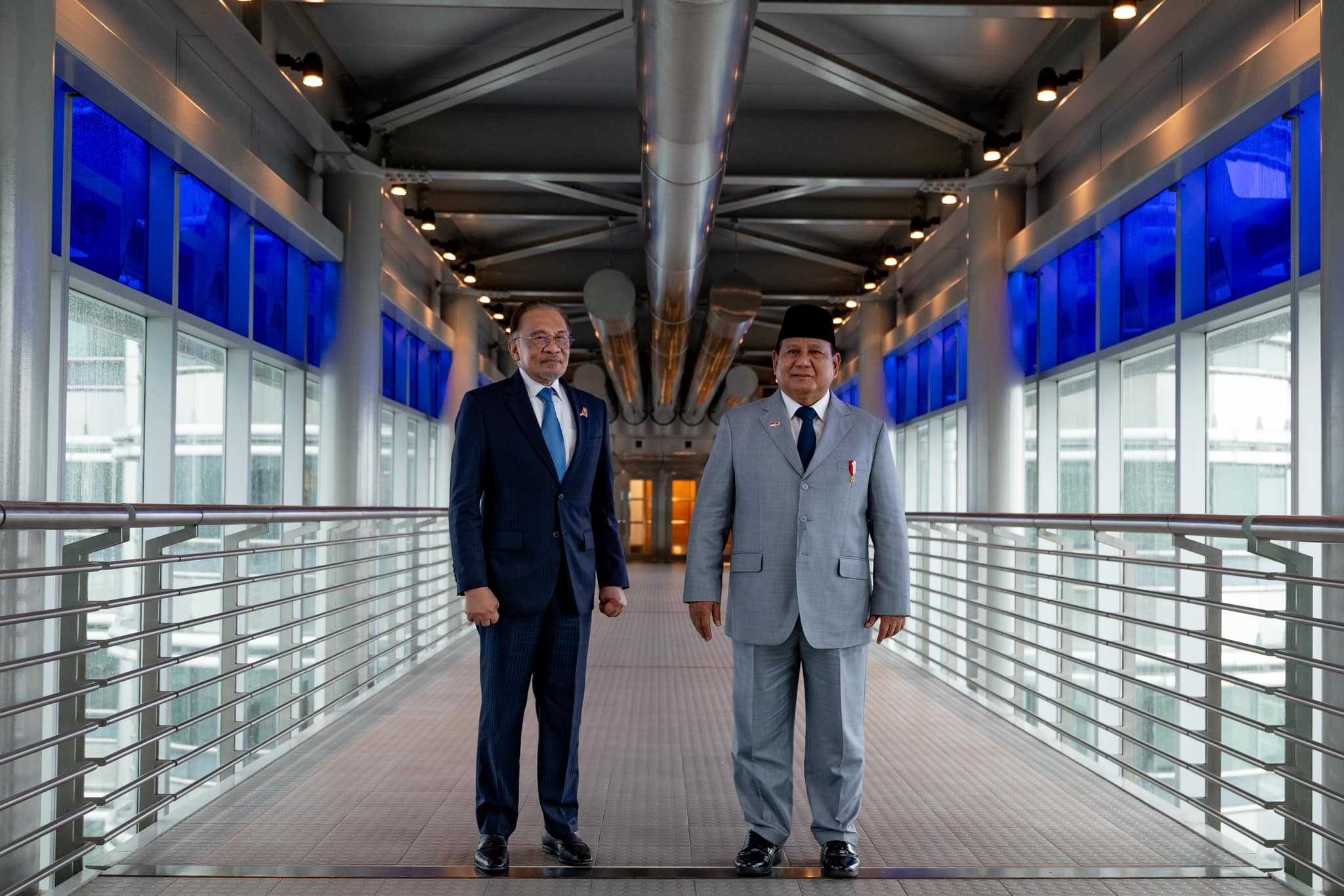
In Indonesia, the government recently approved the participation of Israel’s national gymnastics team at the World Artistic Gymnastics Championships in Jakarta on October 19. This decision came just a week before Prime Minister Anwar Ibrahim was set to welcome U.S. President Donald Trump. Despite strong opposition from students, activists, and Muslim intellectuals, the Indonesian government proceeded with the invitation. The move is seen as part of a broader effort by Indonesian President Prabowo Subianto to align more closely with Israel.

Prabowo, considered one of Indonesia’s most pro-Israel leaders in recent decades, made headlines when he addressed the United Nations and called for security for the state of Israel. This statement drew sharp criticism from pro-Palestine groups, who view it as a betrayal of longstanding principles. Previously, Indonesia had consistently refused to allow Israeli athletes to participate in international events hosted in the country. For example, in 2023, Indonesia lost its hosting rights for the FIFA Under-20 World Cup after Bali’s Hindu governor refused to permit Israeli players to compete.
The decision to host the Israeli gymnastics team has been met with skepticism by analysts like Muhammad Zulfikar Rakhmat, a researcher at the Middle East Institute, National University of Singapore. He questioned the sudden change in policy, asking, “Though costly, those decisions signaled moral clarity: the defense of Palestinian rights outweighed the prestige of hosting international sports. Why abandon that clarity now?”
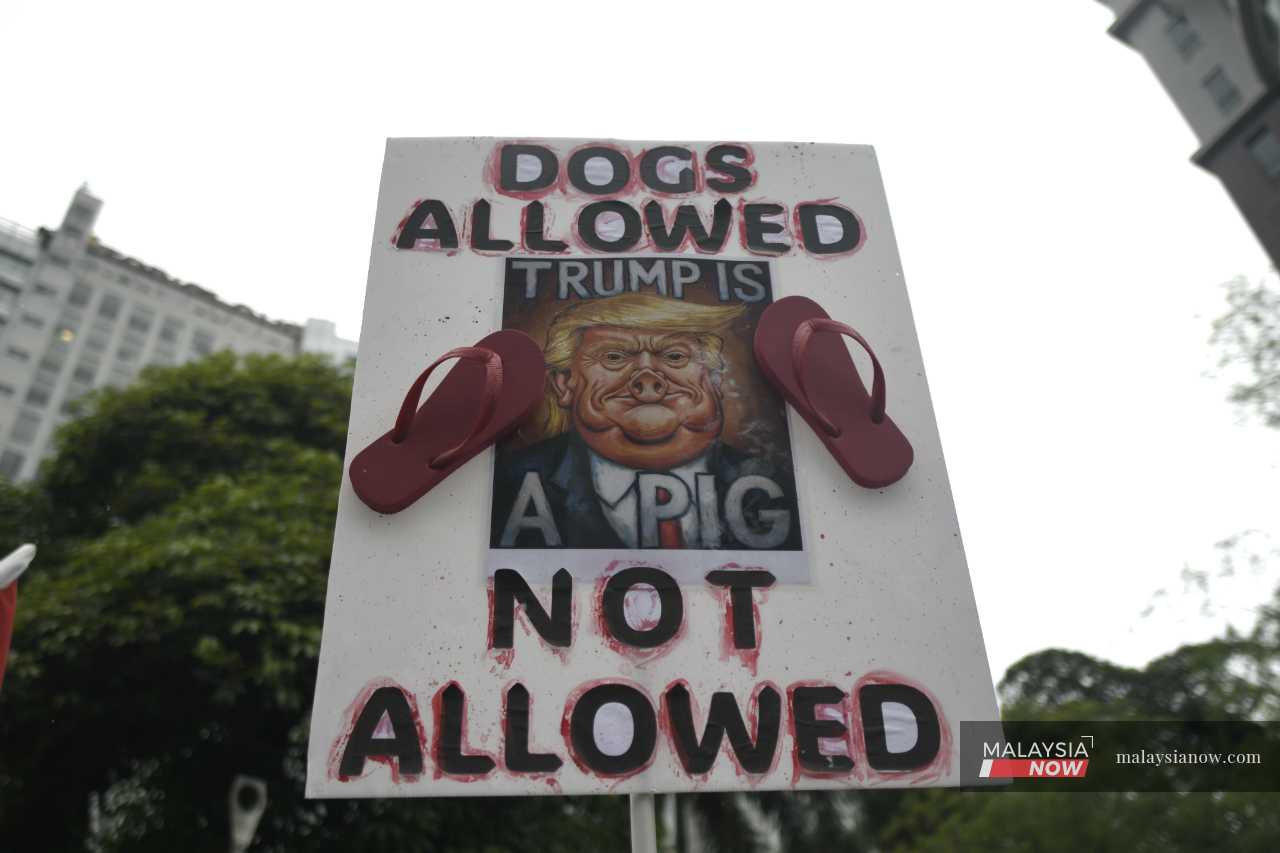
Meanwhile, in Malaysia, the government faces mounting pressure over its handling of Donald Trump’s planned visit. Opposition to the U.S. president’s presence has put Prime Minister Anwar Ibrahim on the defensive. To counter criticism, the government organized a rally in support of Palestine, a recurring event whenever Anwar comes under fire from pro-Palestine groups.
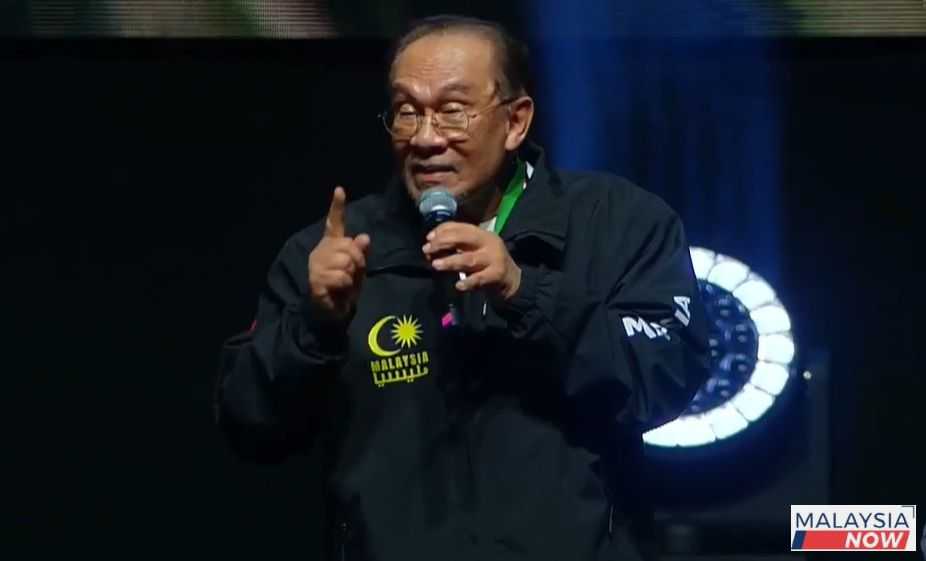
This rally followed similar events in August 2024, where civil servants were brought in to fill stadiums and hear speeches from government officials. The previous rally also saw an embarrassing moment when Anwar’s deputy, Ahmad Zahid Hamidi, accidentally chanted support for Israel. He later apologized, claiming he was caught up in the excitement.
Anwar’s decision to invite Trump to the Asean Summit has drawn criticism from within his own coalition. Some members of the Pakatan Harapan party oppose the move, despite a propaganda campaign led by the Federal Territories mufti, Ahmad Fauwaz Fadzil, who attempted to justify Trump’s presence. However, this effort was met with condemnation from pro-Palestine and Islamic groups.
Prominent thinker Chandra Muzaffar criticized the decision, stating that any positive gesture toward Trump would be seen as unacceptable by a large portion of the Malaysian population. He urged Anwar to issue a polite letter to Trump to rescind the invitation.
Anwar has issued contradictory statements defending the visit. He claimed that the invitation was not issued by the Malaysian government but in its capacity as the chair of Asean. At the same time, he warned that Malaysia, as a small country, could not afford to risk economic backlash by refusing to invite the U.S. president.
This argument may not sit well with the fact that Malaysia’s rise as an attractive destination for U.S. investments occurred during the tenure of Dr. Mahathir Mohamad, who was one of the most vocal critics of American policies in the Middle East. Mahathir earned the label of “anti-Semite” from the U.S. Zionist lobby for his strong stance against U.S. actions in the region.
In Israel, the growing influence of both Anwar and Prabowo has been met with optimism. Analysts believe that closer ties with Malaysia and Indonesia could open new chapters in Israel’s relationship with these countries. These nations, with a combined population of 15% of the global Muslim population, offer significant market access and diplomatic legitimacy.
Prabowo has openly expressed his desire to establish ties with Israel. His call for security for Israel at the United Nations was widely condemned by pro-Palestine groups in both Indonesia and Malaysia. Many in Malaysia drew comparisons to Anwar’s 2012 statement, in which he said he would “support all efforts to protect the security of the state of Israel.”
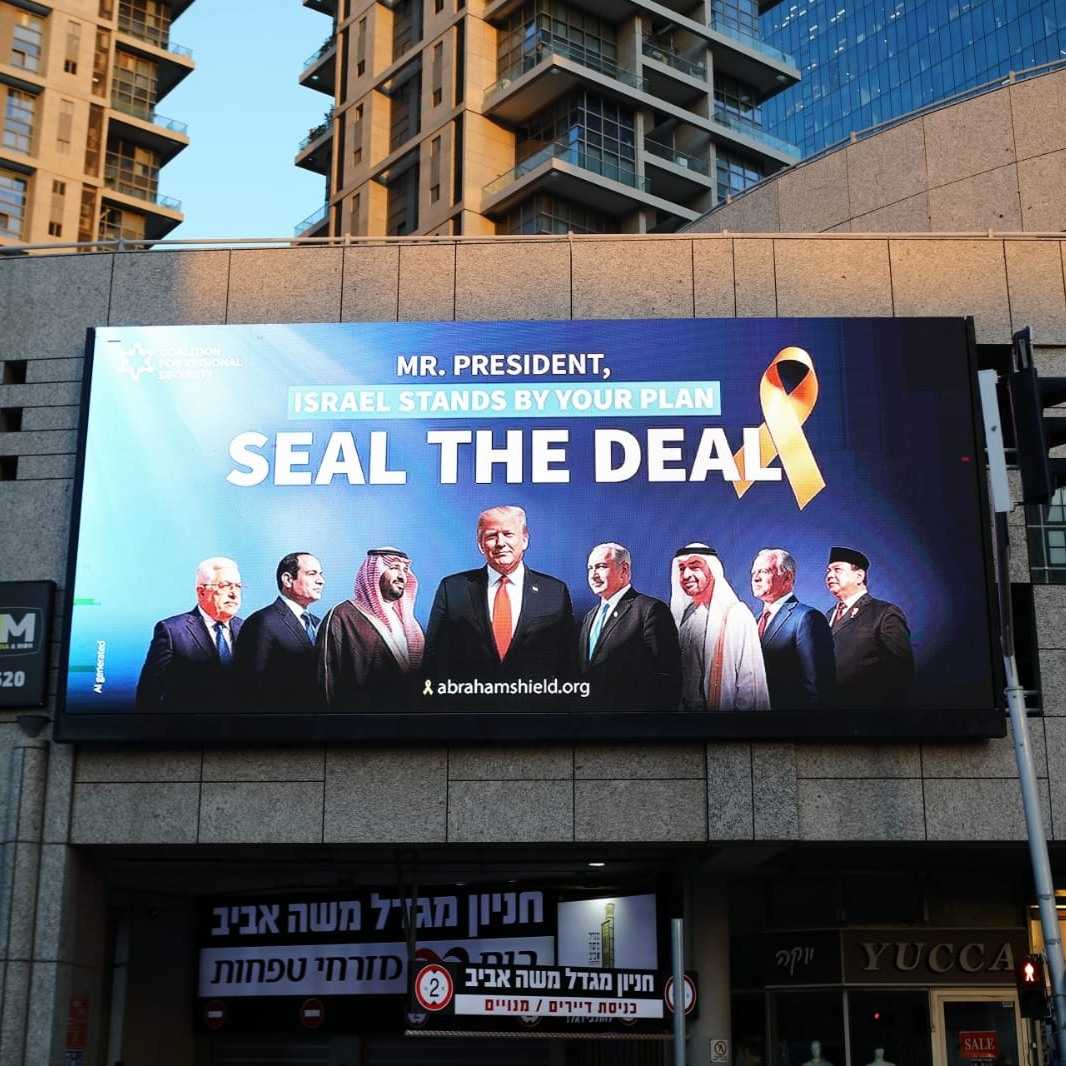
In Israel, the rise of both Anwar and Prabowo has been welcomed by the powerful Zionist lobby in the U.S. They see an opportunity to expand the Abraham Accords, Trump’s initiative to secure formal diplomatic ties between Israel and Arab and Muslim nations. A campaign is already underway to get Indonesia to join the agreement.
Coinciding with his UN speech, giant billboards featuring Prabowo were displayed in Tel Aviv as part of a campaign to promote the expansion of the Abraham Accords. Slogans such as “It’s time for a new Middle East” and “Seal the deal” were featured on the billboards.
Diplomats and analysts have suggested that the Trump administration would exert pressure on Malaysia and Indonesia to join the Abraham Accords. Even before Trump, the Biden administration sent senior officials to Kuala Lumpur to warn Malaysia not to violate U.S. sanctions against Iran and to take action against the flow of money to Hamas.
Anwar attempted to ease U.S. concerns by stating that his relations with Hamas were limited to its political wing. “I have no involvement, no discussion with the military apparatus, that’s very clear,” he told a Bloomberg forum in Qatar last year.
There is a growing perception that Anwar’s government is backtracking on Malaysia’s longstanding policy of rejecting any recognition of Israel. This policy was strengthened during Mahathir’s era, which saw official ties with Hamas. The perception is fueled by the treatment of pro-Palestine supporters, including the arrest of activists outside the U.S. embassy and the banning of anti-Israel rallies on university campuses.
On Tuesday, students held a noisy protest outside the Prime Minister’s Office in Putrajaya, as part of a series of gatherings leading up to a rally in Kuala Lumpur on the day of Trump’s visit. While Anwar’s supporters argue that the visit provides an opportunity to convey a strong stance on Palestine, the mere presence of Trump is seen as paving the way for Israel’s eventual diplomatic debut in a critical part of the Muslim world.