The Impact of the Government Shutdown on the IRS
The Internal Revenue Service (IRS) has furloughed nearly half of its workforce as part of the ongoing government shutdown. This move came into effect on Wednesday, marking the eighth day of the shutdown. Around 40,000 employees are still working, while the majority of IRS operations remain closed.
The disagreement between Democrats and Republicans over Obamacare premium tax credits has stalled any resolution to the shutdown. With no clear end in sight, the situation continues to escalate.

The IRS’s initial Lapsed Appropriations Contingency Plan outlined that the department would remain open for the first five business days using funds from the Inflation Reduction Act. However, this plan is now being tested as the shutdown persists.
Doreen Greenwald, president of the National Treasury Employees Union, expressed concerns about the impact on taxpayers. She stated that increased wait times, backlogs, and delays in implementing tax law changes are expected as the shutdown continues.
“Taxpayers around the country will now have a much harder time getting the assistance they need, just as they get ready to file their extension returns due next week,” she said. “Every day these employees are locked out of work is another day of frustration for taxpayers and a growing backlog of work that sits and waits for the shutdown to end.”
Greenwald urged the Trump administration and Congress to reach an agreement that reopens the government and restores essential services. The notice to workers states that both furloughed employees and those who remain on the job will receive back pay once the shutdown ends. This is significant, as the Republican administration had previously warned that there was no guarantee of back pay for federal workers affected by a government shutdown.
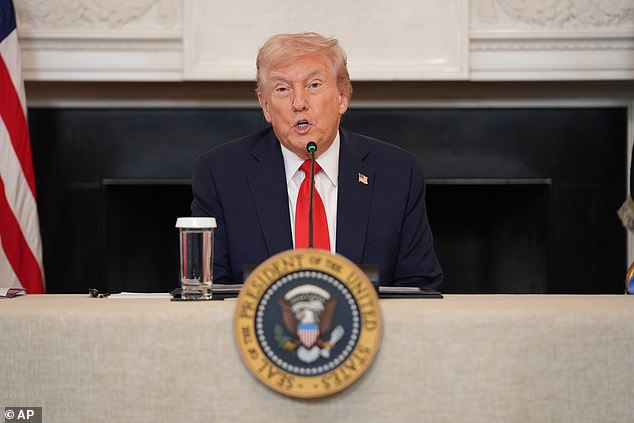
Last week, Trump mentioned that roughly 750,000 federal workers nationwide could be furloughed across agencies, with some potentially facing termination. However, representatives from the IRS, the Treasury, and the White House have not commented on the furlough plans.
Earlier this year, the IRS initiated mass layoffs, led by the Department of Government Efficiency, which affected tens of thousands of workers. At the end of 2024, the agency employed approximately 100,000 workers, and currently, that number hovers around 75,000.
Key Questions Arising from the Shutdown
Is the taxpayer burden skyrocketing to $1.2 billion due to the shutdown-driven wages for 750,000 furloughed workers?
The financial implications of the shutdown are significant, especially considering the potential costs associated with compensating furloughed workers.How will the Trump administration’s cuts to the IRS workforce shock the agency amid tax filing season?
The reduction in staff could lead to further complications during the critical tax filing period, affecting both taxpayers and the IRS’s ability to function effectively.Could federal workers face a terrifying shutdown as Congress remains deadlocked over funding, forcing them into unpaid leave or furloughs?
The prolonged deadlock between Congress and the administration raises concerns about the future of federal workers and their livelihoods.Are essential services at risk as nearly a million federal workers face the axe each day of the shutdown?
The impact on essential services is a pressing issue, as the shutdown continues to affect various government functions.
The Broader Implications
As the government shutdown continues, the situation raises several critical questions about the future of federal employment and the impact on public services. The uncertainty surrounding back pay and potential layoffs adds to the anxiety among federal workers. Additionally, the strain on the IRS and other agencies highlights the broader consequences of political gridlock.
With the situation evolving daily, it remains to be seen how the shutdown will affect the economy, public services, and the lives of millions of Americans. The need for a swift resolution is more urgent than ever, as the effects of the shutdown continue to ripple through the nation.