BP’s Leadership Struggles and the Road to Recovery
The pressure on BP’s chief executive, Murray Auchincloss, to deliver strong returns to investors is showing signs of easing. This comes after a recovery in the company’s share price and a major oil discovery in Brazil. These developments have brought some relief to Auchincloss, who has faced intense scrutiny from activist investor Elliott Management over the past few years.
Elliott Management has been pushing for improved performance from BP, and the company has also been the subject of takeover speculation, with UK-based rival Shell often seen as the most likely bidder. However, with the release of BP’s third-quarter results approaching, there is growing confidence that Auchincloss and the newly appointed chairman, Albert Manifold, are working to stabilize the energy giant.

Financial Performance and Market Outlook
The upcoming results are expected to show an increase in production compared to the second quarter, though still lower than the same period last year. Analysts predict revenue of £47.8 billion for the three months ending in September. While Auchincloss’s position appears secure for now, he must continue to convince Manifold that BP can meet its cost-saving targets, reduce its debt of £19.8 billion, and maintain share buybacks.
Manifold, who took over as chairman in October, is known for his focus on financial performance and shareholder returns. His previous role as CEO of CRH, a construction and building materials group, has given him a reputation for being tough on underperforming executives. If Auchincloss fails to meet expectations, it may not be long before he faces consequences.
Leadership Changes and Strategic Shifts
BP has experienced a turbulent period following the departure of former CEO Bernard Looney in 2023 and the replacement of chairman Helge Lund this year. Both were key figures in the company’s aggressive shift toward green energy, which it is now trying to reverse. The changes at the top, along with a rapid pivot away from climate change initiatives and demands from Elliott Management, led to intense speculation about a potential takeover by Shell earlier this year.
Shell denied any interest in a merger deal in June, which prevented it from making a bid for six months under UK takeover rules. This means that a potential offer could still come after the lock-up period expires on Boxing Day.
Strategic Moves and Market Volatility
Recent comments from Shell’s CEO, Wael Sawan, suggesting interest in potential deals, have raised questions about the future of BP. However, he ruled out any large-scale takeovers. Despite this, BP had previously sought a joint venture with Shell’s exploration team on a discovery off Brazil, a move aimed at reducing development costs. Shell declined the offer, a decision it may now regret given the scale of the find.
Gordon Birrell, BP’s vice president of production, recently highlighted the significance of the Brazilian discovery, stating it was twice as large as initially thought. This find marks the largest by BP in a quarter of a century and reinforces its position as a leader in oil exploration.
Investor Dynamics and Spending Plans
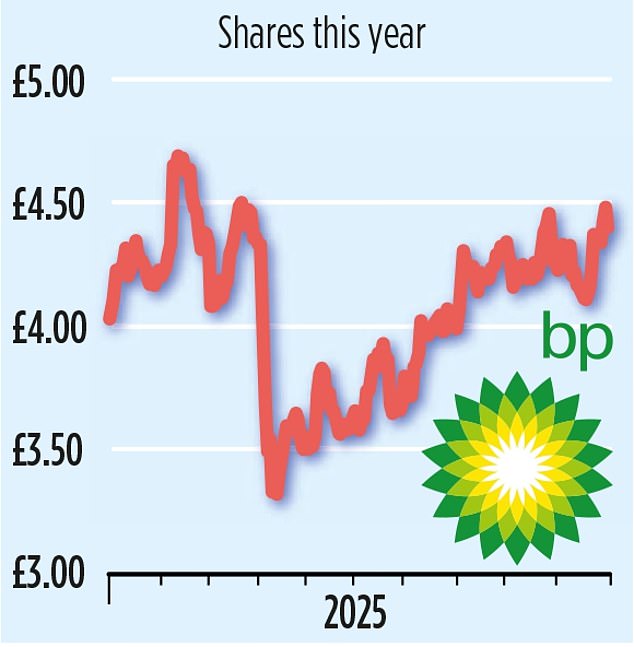
While criticism from Elliott Management has eased for now, as the activist investor shifts its focus to Pepsi-Cola, the two remain at odds over BP’s spending plans. Auchincloss is sticking to his plan to spend between £12 billion and £13.7 billion annually, while Elliott prefers a lower range of £10.7 billion to £11.4 billion. For now, the activist seems satisfied with the recent rise in BP’s stock price, which has climbed nearly 20% over the past year and boosted the company’s market value by almost £10 billion since April.
Challenges Ahead
Despite these positive developments, BP still faces several challenges. The company aims to sell assets worth £2.3 billion to £3 billion this year to reduce its debt. However, a decline in oil prices and waning interest in green energy due to a backlash against net-zero policies could make achieving these goals difficult.
BP’s balance sheet has been under strain since the Deepwater Horizon disaster in 2010, which cost the company £50 billion. The company also suffered a £18 billion write-down on its stake in Rosneft following the war in Ukraine, which had previously been a profitable investment.
While the share price has recovered and immediate threats have receded, the pressure on BP’s leadership could quickly return if the company fails to meet its financial and strategic goals.