



Kaduna State Declares Zero Violent Conflict, Cites Peace Model as Catalyst for Development
Kaduna State, Nigeria, has achieved a significant milestone, reporting a complete absence of violent conflict since 2023. This remarkable accomplishment, as highlighted by state officials, has paved the way for substantial development gains across crucial sectors including education, agriculture, skills acquisition, and enterprise growth.
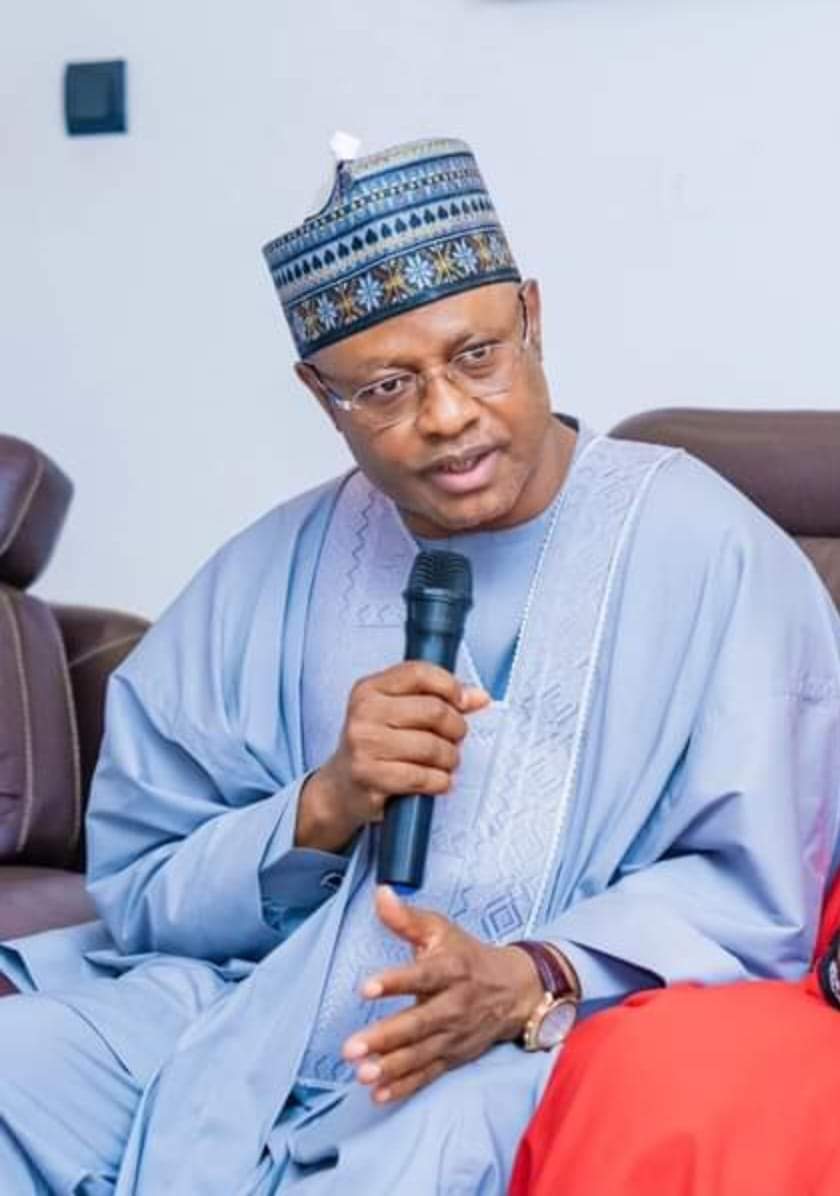
The announcement was made during the 2025 Nigeria Union of Journalists (NUJ) Press Week, held in Kaduna. Representing Governor Senator Uba Sani, the Honourable Commissioner for Information, Malam Ahmed Maiyaki, delivered a keynote address emphasizing the success of the state’s innovative “Kaduna Peace Model.”

The Kaduna Peace Model: A Multi-Faceted Approach to Stability
Commissioner Maiyaki elaborated on the Kaduna Peace Model, describing it as a home-grown framework meticulously designed to foster enduring peace. This comprehensive strategy integrates several key components:
- Dialogue: Facilitating open and constructive conversations among all stakeholders.
- Community Engagement: Actively involving citizens in peacebuilding initiatives.
- Early-Warning Systems: Proactively identifying potential conflicts before they escalate.
- Intelligence-Led Security: Employing data-driven strategies to maintain order.
- Inclusive Governance: Ensuring all segments of society have a voice and are represented in decision-making processes.
Governor Uba Sani, in his address, articulated the administration’s strategic vision, stating, “Peace is the foundation of development. By prioritising prevention, dialogue, and community ownership, Kaduna has created the enabling environment for sustained growth.” This philosophy underscores the government’s commitment to viewing peace not merely as an absence of conflict, but as a proactive driver of progress.
Impact of Peace on Key Development Sectors
The sustained period of peace in Kaduna State has had a tangible and positive impact on various sectors:
Education Renaissance
The improved security climate has been instrumental in the reopening of educational facilities across the state. A notable achievement is the return of over 300,000 out-of-school children to classrooms. Furthermore, the administration has implemented a 40 per cent reduction in tuition fees for state-owned tertiary institutions, making higher education more accessible. The expansion of technical, vocational, and digital skills programmes for youths is also a direct consequence of the stability, equipping young people with the competencies needed for future employment.
Agricultural Revitalization
Sustained peace has significantly boosted productivity and enhanced rural livelihoods in the agricultural sector. This has been supported by increased budgetary allocations, efficient fertiliser distribution to all local government areas, and the development of crucial agro-industrial infrastructure aimed at bolstering food security.
Economic Growth and Enterprise Development
Job creation and the support of Micro, Small, and Medium Enterprises (MSMEs) remain central to the state’s strategy for sustaining peace. Ongoing initiatives in enterprise financing and skills development are actively working to reduce unemployment rates and mitigate social vulnerabilities.
Strengthening Security Mechanisms
A critical element of the Kaduna Peace Model is the deployment of the Conflict Early Warning and Early Response System (CEWERS). This system, developed with the support of international development partners, has proven effective in the early detection and resolution of emerging tensions, thereby preventing their escalation into widespread conflict. This enhanced security has not only benefited the general populace but has also instilled greater public confidence and attracted investor trust.
Media as a Partner in Peacebuilding
Governor Uba Sani acknowledged the pivotal role of the media in the state’s peace and development architecture. He urged journalists to embrace conflict-sensitive reporting practices, actively counter the spread of misinformation, and to amplify narratives of reconciliation, progress, and opportunity. This collaborative approach recognizes the media’s power to shape public perception and foster a conducive environment for lasting peace.
Recognition and Future Outlook
Earlier in the event, the Chairman of the Nigeria Union of Journalists (NUJ), Kaduna State Council, AbdulGafar Alabelewe, presented Governor Uba Sani with a Recognition Award for Exemplary Leadership. The award specifically cited the administration’s unwavering commitment to peacebuilding, inclusive governance, and the promotion of press freedom.
The Kaduna State Government has expressed its willingness to share its unique peace-driven development framework with other states. The Kaduna Peace Model is being presented as a practical and replicable blueprint for strengthening stability and accelerating development across Northern Nigeria and beyond.

