



Kemi Badenoch’s Plan to Remove Stamp Duty on Homes
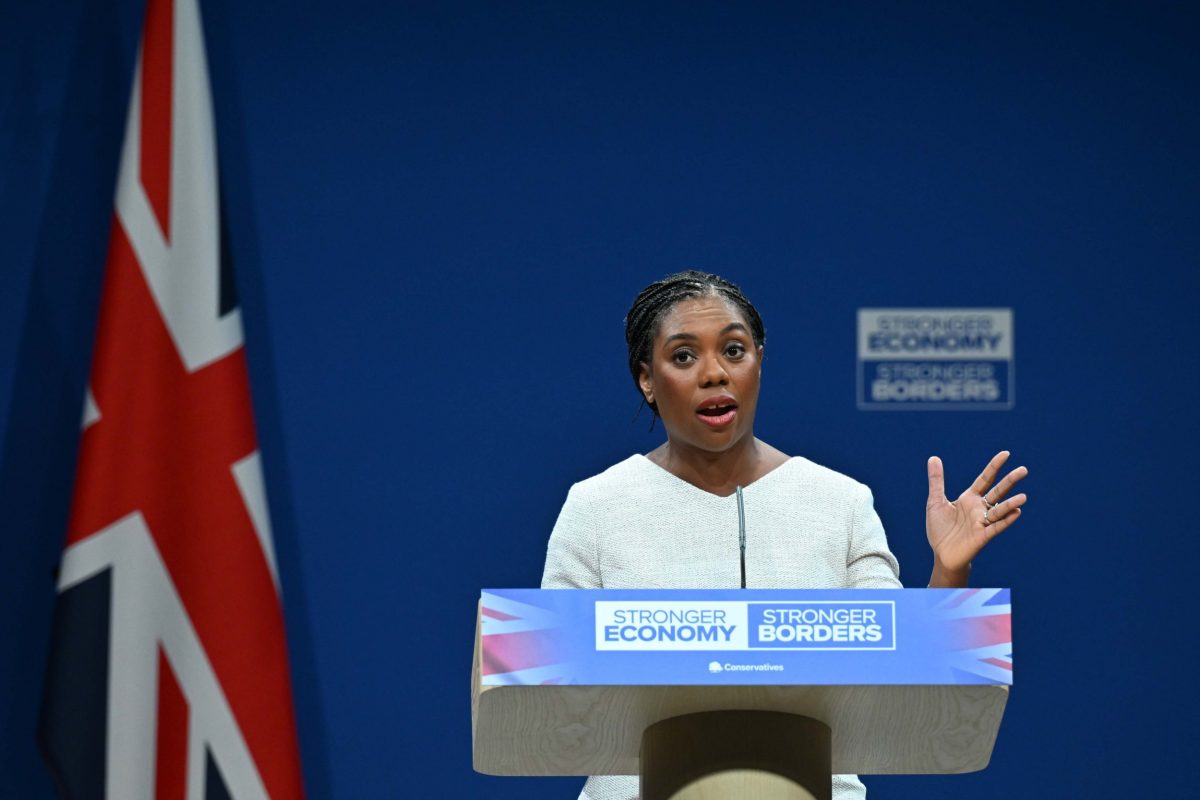
Kemi Badenoch, the leader of the Conservative Party, has announced a bold plan to eliminate stamp duty on homes if her party wins the next election. She argues that this move would “free up our housing market” and create a more equitable and aspirational society. According to Badenoch, removing the tax would help people of all ages afford to buy or move, which she believes is essential for social mobility.
Stamp duty is a tax imposed when a property is purchased. The amount varies depending on the home’s value and whether it is the buyer’s primary residence. The Conservatives’ proposal to abolish the tax will only apply to primary residences, leaving second homes and investment properties unaffected.

Badenoch emphasized the importance of freeing up the housing market, stating, “A society where no one can afford to buy or move is a society where social mobility is dead.” Her plan aims to address the challenges faced by many homeowners and first-time buyers who are struggling with the high costs associated with purchasing a home.
How Stamp Duty Works
In England and Northern Ireland, four out of five homeowners pay stamp duty, with the tax also affecting two out of five first-time buyers. Scotland and Wales have their own systems, so the impact may vary in those regions.
The tax is calculated based on the property’s value, with higher rates applying to more expensive homes. For example, first-time buyers purchasing a residential property worth £500,000 or less only start paying stamp duty on the portion exceeding £300,000. Additionally, an extra 5% surcharge applies to second homes or investment properties, which the Conservatives’ plan does not cover.
Regions That Would Benefit Most
According to analysis by estate agency Savills, areas with higher house prices would see the most significant savings from the abolition of stamp duty. Londoners currently face the highest stamp duty bills, averaging £32,208. The south-east and east of England follow, with average payments of £12,393 and £9,069, respectively. In contrast, the North East has the lowest average bill at £2,923.
While these figures highlight the potential benefits, some experts believe that the savings might not directly translate to lower prices. Instead, they suggest that the removal of stamp duty could lead to an increase in house prices. Lucian Cook, head of residential research at Savills, noted that if the tax cut is implemented as a straightforward giveaway, the cost of stamp duty might be passed on to buyers through higher property prices.
Cook estimated that house prices could rise by between 1.4% and 2.1%, or around £5,100 to £7,500, depending on how the policy is structured. He also pointed out that the impact would not be evenly distributed, with high-value homes in London and the south-east likely to see the greatest increases.
Impact on Buyers
Despite the potential for price increases, there would still be benefits for buyers, especially those relying on mortgages. Stamp duty is typically paid upfront, whereas the additional cost of a home is often incorporated into a mortgage. This means the cost is spread over the mortgage term, with interest added over time.
For first-time buyers, the removal of stamp duty could make it easier to enter the housing market. However, the overall effect will depend on how the policy is implemented and how the housing market reacts to the change. As the debate continues, the implications of this proposed reform remain a topic of discussion among experts and homeowners alike.

