
Growing Concerns Over Shadow Banks and Financial Stability
Recent developments in the financial sector have raised alarms among regulators and analysts about the risks associated with shadow banks. These non-bank lenders, which operate outside traditional banking systems, are becoming a critical source of funding for businesses and consumers. However, their lack of transparency and regulation has led to concerns that they could trigger another global financial crisis.
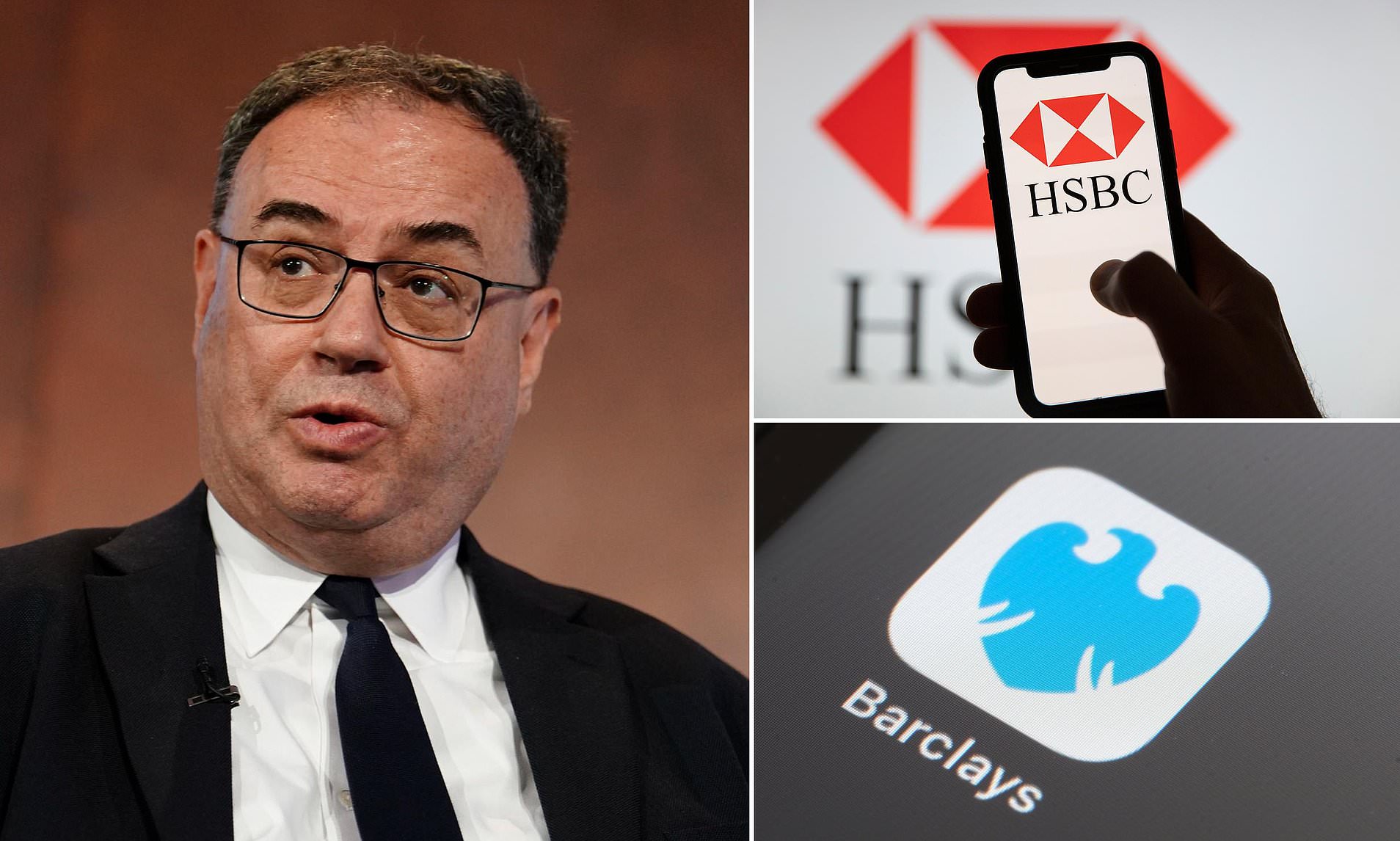
Several major British banks, including HSBC and Barclays, have come under scrutiny for not fully disclosing the extent of their lending to these shadow banks. The issue has become more pressing following the recent collapses of several US-based companies, such as Tricolor, a sub-prime vehicle finance provider, and First Brands, a car parts manufacturer. These failures have prompted warnings from key figures in the financial world, including Jamie Dimon, CEO of JP Morgan, who remarked that “when you see one cockroach, there’s probably more,” highlighting the potential for further instability in the non-bank sector.

Shadow banks offer higher returns for investors compared to traditional banks but operate without the same level of oversight. This lack of regulation means they are not required to disclose detailed financial information, leaving investors vulnerable to significant losses. Additionally, mainstream banks are exposed to these risks as they lend directly to shadow banks.
One form of this lending, known as private debt, has seen rapid growth in recent years. It is projected to account for £2.1 trillion in all lending by 2029, up from £1.2 trillion in 2023. Barclays, for instance, has set aside £110 million to cover losses on dud Tricolor loans and has total exposure to private debt of around £20 billion, mostly in the US. However, the bank has not disclosed how much it has lent to non-depository financial institutions (NDFIs), which include insurers, pension providers, private equity groups, and hedge funds.
NDFIs provide services similar to those of traditional banks but do not take deposits from the general public and are not regulated as lenders. This lack of oversight increases the risk of financial shocks propagating through the system.
Credit ratings agency Fitch recently warned that lending by non-banks, while still niche, is becoming increasingly complex. This complexity could lead to unexpected transmission channels during a financial shock event, potentially triggering a domino effect similar to the 2008 crash. The collapse of the US mortgage market spread through the banking sector via interlocking deals and financial products, and the same could happen if shadow banks face similar issues.
HSBC, which reported its exposure to private credit as “small” and in the “single digit billions,” has refused to disclose its NDFI exposure outside the US, where regulatory filings show it at £7.3 billion. This lack of transparency has raised concerns about potential hidden risks on its balance sheet. Pam Kaur, HSBC’s finance director, warned of “second-and third-order risks” from another private credit blow-up.
Sheel Shah, a banking analyst at JP Morgan, pointed out that the sell-off in bank shares was driven by poor risk management and even worse disclosure regarding NDFIs globally. While US banks are better at revealing their exposures, European banks have been criticized for their lack of transparency.
Although the amount lent to shadow banks by mainstream lenders is still relatively small compared to their other loans, it is growing. HSBC recently launched a £38 billion private debt fund focused on Asia, its biggest market. Fitch has urged increased transparency in the private debt sector, arguing that consistent disclosures would help market participants assess risks and resilience as the sector evolves.
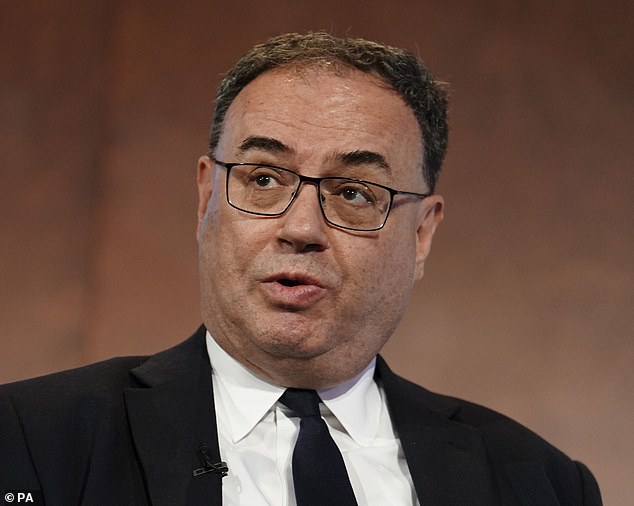
The agency also warned that the sector exhibits “bubble-like attributes,” including rapid growth, financial innovation, heightened competition, rising retail participation, and increasing borrower leverage. Bank of England Governor Andrew Bailey has ordered a stress test of the shadow banking sector, as fears grow that loose lending by private equity firms and hedge funds could pose significant risks to the mainstream banking sector.