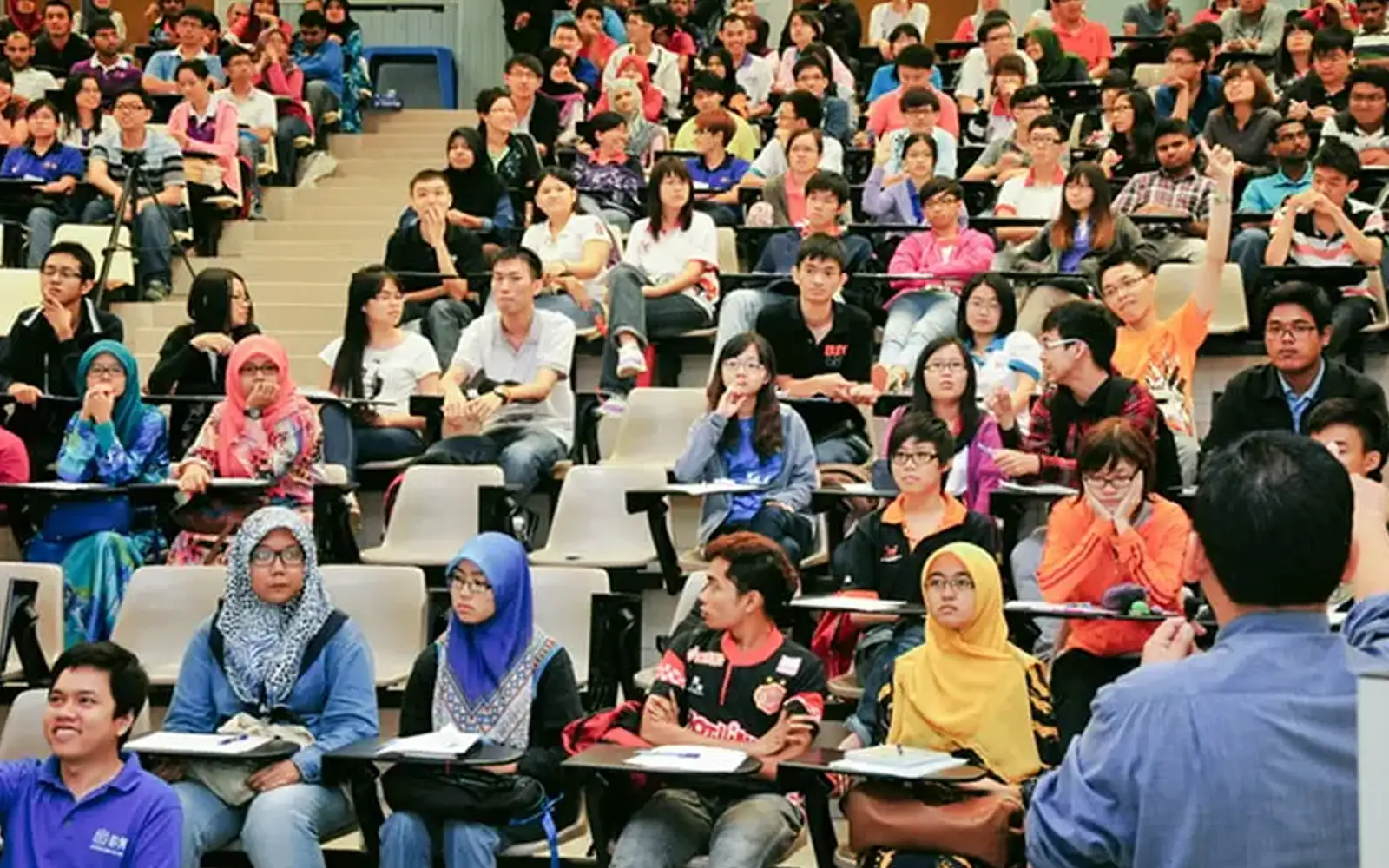

A subtle yet significant unravelling is occurring within Malaysia’s public universities. Beneath the veneer of polished facades and upwardly mobile rankings, a deeper, often unspoken malaise is festering. The very institutions that once stood as beacons of enlightenment and the relentless pursuit of truth are in danger of becoming mere monuments to mediocrity and institutional silence.
The evidence is increasingly troubling. Academic dishonesty, once an aberration, appears to be becoming alarmingly normalised, extending beyond students to the very educators themselves. Practices such as citation stacking, the use of paper mills, and the unfortunate coercion of junior academics to lend their names to publications they had no hand in are not isolated incidents. Instead, they are systemic practices born out of the relentless pressure to meet Key Performance Indicators (KPIs). When a system prioritises quantity over genuine quality, it inevitably cultivates a culture where cutting corners becomes the norm. The sacred mission of universities – the pursuit of truth – is being sacrificed at the altar of quantifiable metrics.

This obsession with rankings is another significant concern. Malaysian universities are channeling enormous resources into chasing global rankings, systems largely conceived in Europe and America that often measure prestige more than genuine educational quality. This pursuit leads to a situation where institutions are adept at gaming the system, while the crucial work of developing critical, independent minds takes a backseat. It is worth noting that many Western institutions are beginning to opt out of these ranking systems altogether, recognising their inherent limitations.
Perhaps the most damaging element of this unfolding situation is the pervasive culture of fear and silence. Academics who dare to speak up, to question the status quo, or to report misconduct risk being sidelined, overlooked for promotions, or relegated to positions of little influence. In environments where junior academics feel unable to question their seniors, and where raising concerns about misconduct can invite retaliation, dishonesty is allowed to thrive unchecked. Without the freedom to speak candidly and critically, organisations are fundamentally incapable of learning, adapting, or honestly confronting their own failures.
Becoming a True Learning Organisation
The path forward requires a strategic integration of two powerful frameworks: the learning organisation model developed by Watkins and Marsick, and the concept of psychological safety. Together, these frameworks offer a comprehensive and actionable approach to addressing these interconnected problems.
A learning organisation is defined as one that continuously acquires and transfers knowledge, and adapts its behaviour to reflect new insights (Watkins & Marsick, 1997). To effectively combat academic dishonesty, the focus of inquiry and dialogue must fundamentally shift from mere quantity to genuine quality. Regular ethics forums can be transformed into spaces for collective learning and reflection, rather than simply being arenas for policing. Strategic leadership from vice-chancellors is crucial; they must actively model ethical behaviour and publicly champion integrity. When leadership visibly prioritises quality over the relentless pursuit of metrics, this message inevitably cascades throughout the entire institution.
To reform the current KPI-driven culture, embedded systems need a thorough redesign. They must be capable of capturing genuine indicators of learning and impact, such as the quality of mentorship provided, the long-term influence of research, and meaningful community engagement. This is a significant departure from merely counting publications. Critically, true empowerment means that faculty members should be involved in developing performance metrics, rather than having them imposed from the top down. When academics feel a sense of ownership over the vision for quality scholarship, their pursuit of it becomes far more authentic and driven.
To dismantle the prevailing culture of silence, continuous learning initiatives should equip academics with essential skills in governance, ethics, and constructive advocacy. Team learning, where departments can act collectively rather than as isolated individuals, can create a sense of safety in numbers and distribute the inherent risks associated with speaking out. Furthermore, establishing strong system connections – linking universities with advocacy groups, international academic communities, and civil society – can provide crucial external validation and create essential platforms for raising issues that may be difficult or impossible to address internally.
Building Psychological Safety: The Foundation for Trust
Genuine learning organisations cannot flourish without the bedrock of psychological safety – the shared belief that one will not be punished or humiliated for speaking up with ideas, questions, concerns, or mistakes (Edmondson, 1999). Amy Edmondson’s work identifies four progressive stages that are essential for this transformation:
- Inclusion Safety: This ensures that academics feel a sense of belonging and acceptance, regardless of their background, status, or differing viewpoints. They feel valued as members of the community.
- Learner Safety: This stage allows academics to question, admit ignorance, or report that their research isn’t yielding expected results without shame or fear of failure. This fosters genuine inquiry and exploration.
- Contributor Safety: This stage ensures that the ideas and contributions of all academics are valued and actively heard. Their input is taken seriously and considered.
- Challenger Safety: This is perhaps the most critical stage for addressing systemic issues. It permits the direct confrontation of problems and concerns. This requires establishing protected channels for reporting issues and ensuring that whistleblowers face absolutely no retaliation.
In the context of Malaysian higher education, where hierarchical traditions and the emphasis on ‘saving face’ often dominate, building challenger safety requires deliberate and strategic interventions. Senior academics have a vital role to play by being the first to speak out on difficult issues, thereby lowering the perceived risk for their younger colleagues and establishing crucial precedents for dissent. When entire departments collectively reject unreasonable KPIs, they are exercising challenger safety as a unified group, creating a more robust defence against unfair pressures.
At an institutional level, Malaysian universities must cultivate the safety to challenge the rankings paradigm itself. This involves building coalitions regionally and globally, and concurrently developing alternative, more meaningful indicators of quality that reflect genuine academic excellence and societal impact.
The Way Forward: A Choice for Truth and Progress
The fundamental aim of a university is the pursuit of truth. This mission inherently requires spaces for robust debate, critical thinking, and the fearless exploration of diverse perspectives. However, the pursuit of truth is inherently risky; it challenges established beliefs, confronts powerful interests, and disrupts comfortable assumptions. It is only with a strong foundation of psychological safety that academics can truly undertake this vital mission without fear.
Malaysian universities now stand at a critical crossroads. They can continue down the path of metrics-gaming, institutional silence, and the perpetuation of mediocrity. Alternatively, they can embrace the more challenging, yet infinitely more rewarding, journey towards becoming genuine learning organisations. In such organisations, psychological safety acts as the essential enabler for the fearless pursuit of knowledge and the advancement of critical thought.
The choice made today will determine not only the future trajectory of these vital institutions but also their ultimate contribution to Malaysia’s broader development and progress. The clock is ticking, and the cost of continued silence grows steeper with each passing day.
Shamyl Shalyzad Shamsuddin is a freelance social science researcher and writer based in Seremban, Negeri Sembilan. He specialises in organisational learning and human resource development.