
The Polish Exodus: Skilled Migrants Return Home as Britain Faces Economic Downturn
The stark reality of declining living standards and rising crime in Britain has prompted a significant wave of Polish migrant workers to return to their homeland. What was once a beacon of opportunity for those seeking a better life has, for many, become a place they are eager to leave behind. This phenomenon is not just anecdotal; it represents a significant shift in migration patterns, driven by Poland’s own remarkable economic resurgence.
Slawek Frankowski, a 35-year-old welder, and his wife Sylwia, a mother of two young daughters, epitomise this trend. Their decision to leave Fareham, a town they had called home for 15 years, was cemented by a series of unsettling events. “It got to the stage where we would look outside almost every week and see police, firemen and ambulances,” Slawek recounts. The perceived deterioration of the UK’s social fabric, coupled with Sylwia losing her job due to her employer’s distribution shift to Belgium, accelerated their resolve to seek a more secure future for their family.


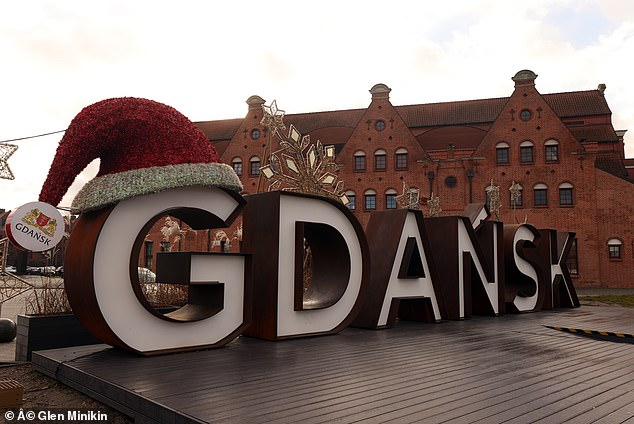
In November 2022, after selling their renovated maisonette for £200,000, the family embarked on a 22-hour road trip back to the village near Gdansk, where Slawek’s family resides. The relief upon their return was palpable. Slawek is now actively involved in building a new four-bedroom house on land gifted by his father, anticipating a swift return to well-paid employment. Sylwia finds solace in the proximity of supportive family and is particularly pleased with her elder daughter Alicja’s adjustment to a new school. She notes a distinct difference in the Polish school’s emphasis on homework, parental involvement, and discipline compared to her daughter’s previous UK institution.
Their story is not unique. Across Poland, similar narratives are emerging. As the UK grapples with economic stagnation, declining service standards, escalating living costs, and social unrest fuelled by debates around immigration, a substantial number of industrious and highly-skilled Polish migrant workers are choosing to repatriate.
Poland’s Astonishing Economic Revival
The influx of over a million Poles into Britain following the EU’s 2004 accession significantly bolstered sectors like services and construction. The image of the reliable Polish plumber, electrician, or builder became commonplace, symbolising a mutually beneficial migration. However, these essential workers are now becoming a rarity in the UK, with laments about their departure going viral on platforms like TikTok.
Recent statistics paint a clear picture: while 7,000 Poles arrived in the UK in the year ending June, a staggering 25,000 returned home, resulting in a net outflow of 18,000. The UK’s Polish population has dwindled to an estimated 750,000 and is projected to continue its decline. While this situation is viewed with dismay in Britain, it represents a triumph for Poland, driven by its impressive economic resurgence.
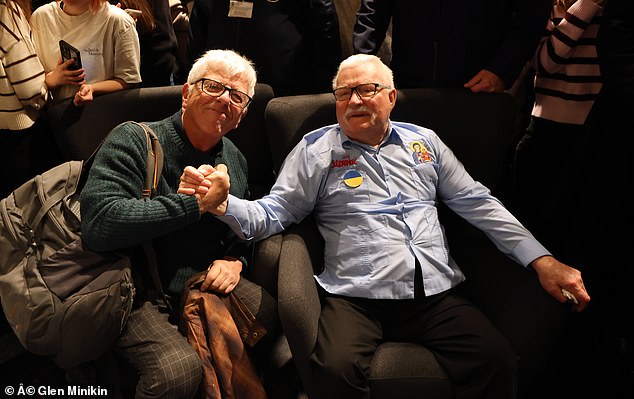
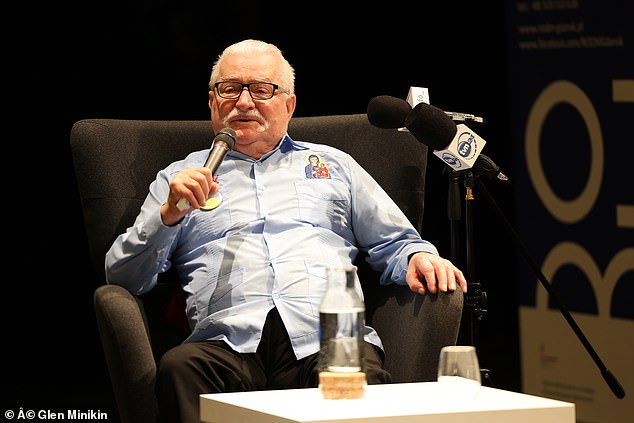
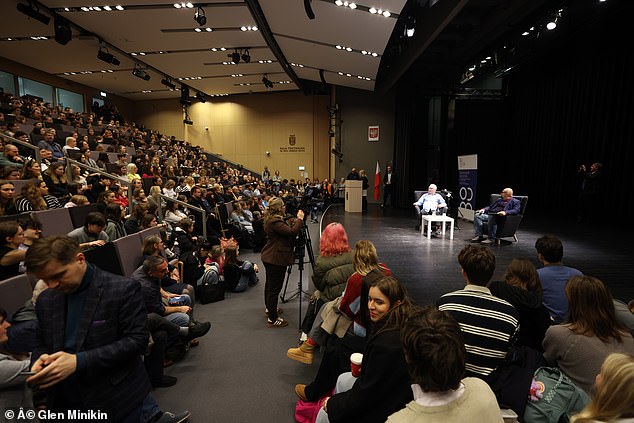
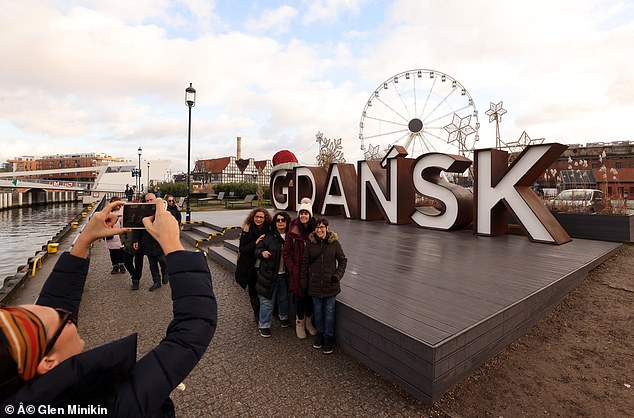
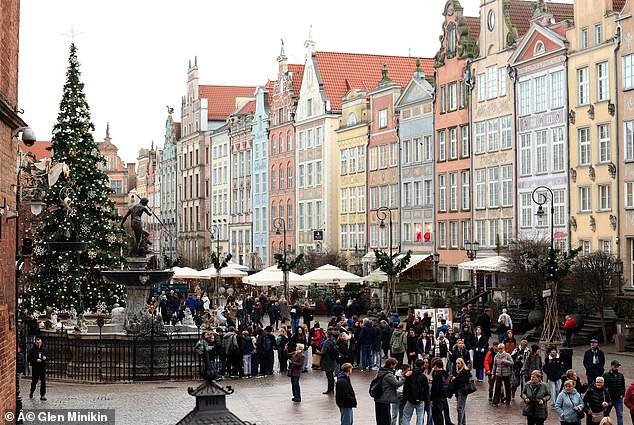
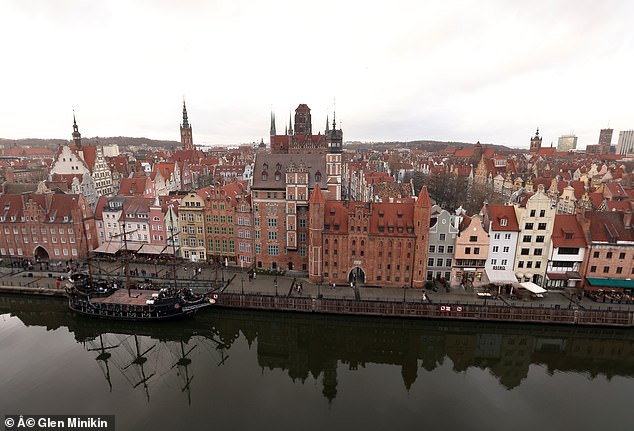
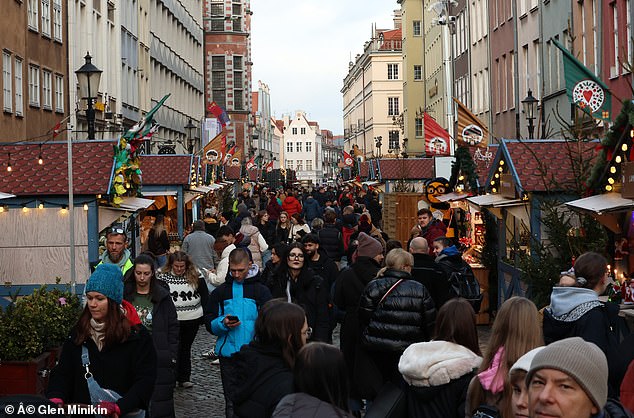
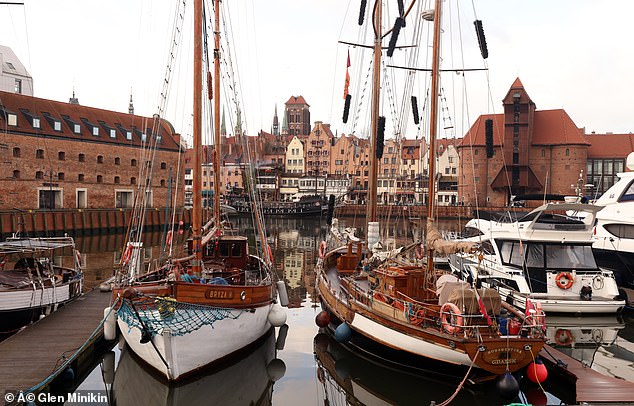
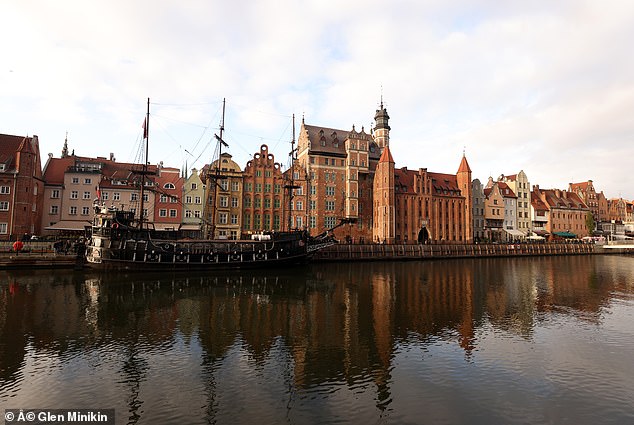
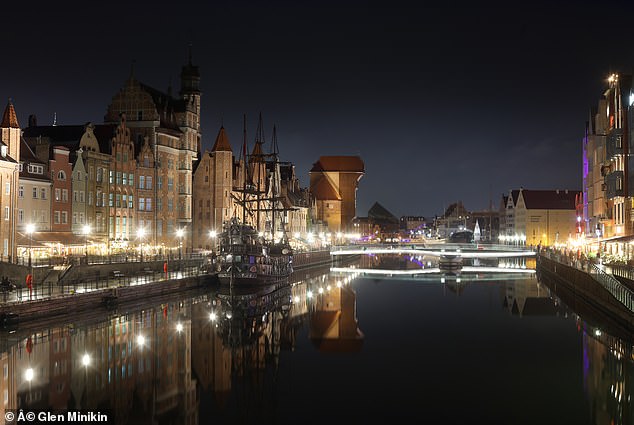
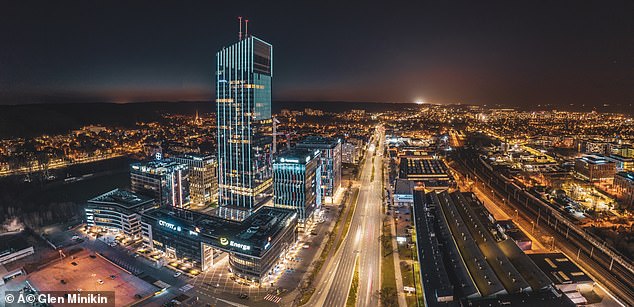
Gdansk, once a dilapidated port city, is now a vibrant hub at the forefront of this transformation. It’s a city where the spirit of Solidarity, led by Lech Walesa, once challenged a communist regime and paved the way for democracy and prosperity. Walesa, now 82, remains an influential figure, his vision of Poland becoming a “second Japan” – a prediction made 45 years ago when the country faced severe economic hardship – is now within reach.
New forecasts suggest that by 2026, Poland’s Gross Domestic Product (GDP) will surpass that of Japan. By the 2030s, the average Polish family is expected to be wealthier than their British counterparts, a stark contrast to the envy that once characterised their view of Britain.
Gdansk: A Symbol of Modern Poland
The transformation of Gdansk is evident from the moment one arrives at its sleek, modern airport, renamed in honour of Lech Walesa. A generation ago, this was a neglected outpost, scarred by wartime bombardments and isolated by inadequate infrastructure. Now, it stands as a testament to Poland’s revitalisation, seamlessly blending modern development with its rich history.
Key Factors Driving Poland’s Resurgence:
- Astute Post-Communist Planning: Economists attribute Poland’s success to strategic post-communist economic policies that favoured foreign investment in previously bankrupt industries, avoiding the pitfalls of oligarchic control seen elsewhere.
- EU Integration and Investment: While EU funding has played a role, Poland’s prudent utilisation of these resources has set it apart from other member states.
- Shifting National Psyche: Younger generations, particularly Gen Z, are described as more open, confident, and less prone to the widespread complaining that characterised previous eras. They are actively seeking opportunities both domestically and internationally.
- Adaptability and Learning: Poland has demonstrated a remarkable capacity to learn and adapt. For instance, Gdansk sought advice from British construction firms for its ring road project two decades ago. Today, Polish shipyards are building offshore wind turbines, with Prime Minister Donald Tusk proudly acknowledging the return of skilled Polish workers from the UK to contribute to these green energy projects.
Contrasting Fortunes: Poland vs. the UK
The disparity between Poland’s trajectory and Britain’s stagnation is stark. While UK salaries have seen minimal real-terms growth since 2004, Polish wages have quadrupled. High-skilled Poles working in Poland are now commanding salaries comparable to those in London, with a significant percentage being returnees from the UK and Ireland.
The appeal of returning to Poland is multifaceted:
- Lower Cost of Living: Affordable housing, lower prices for goods and services, and reduced household bills contribute to a higher disposable income.
- Enhanced Quality of Life: Safety on the streets, a strong emphasis on family values, and improving educational standards are significant draws.
- “Visa Anxiety” in the UK: Concerns about future work and travel restrictions in Britain also play a role.
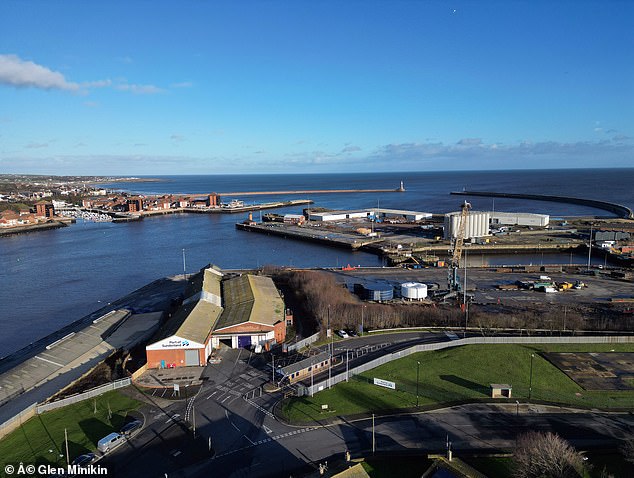
A comparison with Sunderland, a former industrial hub in the UK with shared maritime traditions, highlights the profound differences. While Gdansk boasts new infrastructure, thriving businesses, and a high safety rating, Sunderland faces significant social challenges. High child poverty rates, widespread disadvantage, and elevated violent crime underscore the economic struggles in many parts of Britain.
The departure of skilled Polish workers like Grzegorz Lewandowski, a plumber who has operated in Sunderland for years, is a tangible loss. He expresses frustration with what he perceives as an increasingly bureaucratic and punitive tax regime in the UK, which stifles entrepreneurial spirit. His ambition to expand his business has been hampered by what he terms “political correctness” and excessive red tape.
The narrative of skilled Polish workers returning home is a compelling indicator of shifting global economic power. As Poland embraces a future of prosperity and opportunity, Britain faces the sobering reality of losing its industrious migrant workforce, a drain that could escalate into a torrent without significant policy changes. The departure of these individuals, who have contributed substantially to the UK’s economy and society, will undoubtedly be felt keenly.