
The Met Police’s Dilemma: Balancing Diversity Initiatives with Frontline Services
The Metropolitan Police, Britain’s largest police force, is allocating a significant amount of its budget to diversity and inclusion (EDI) initiatives, despite facing severe financial constraints. According to recent revelations, the force is spending £5.2 million annually on 64 diversity staff, while simultaneously reducing frontline services to cope with a £250 million funding gap.
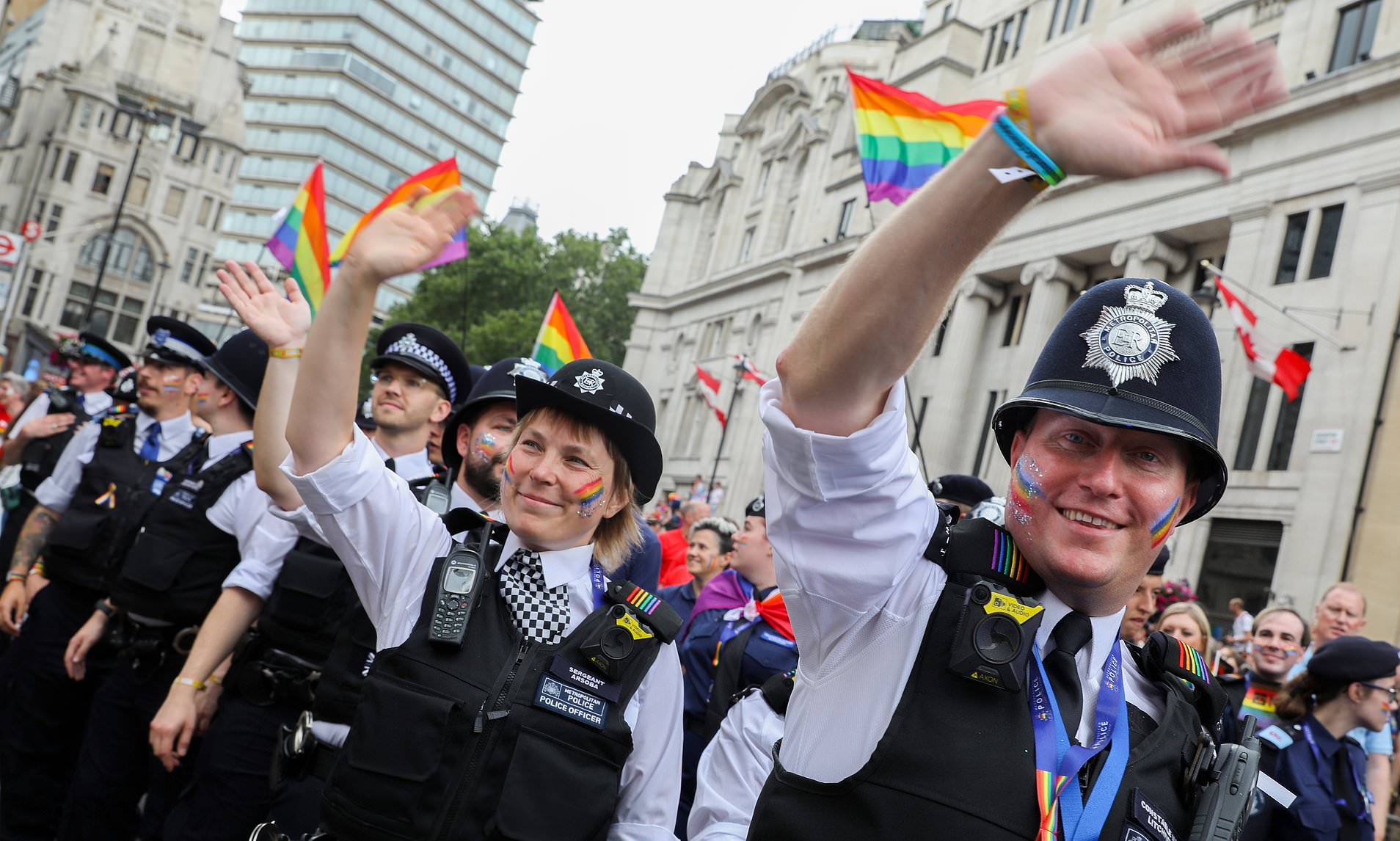
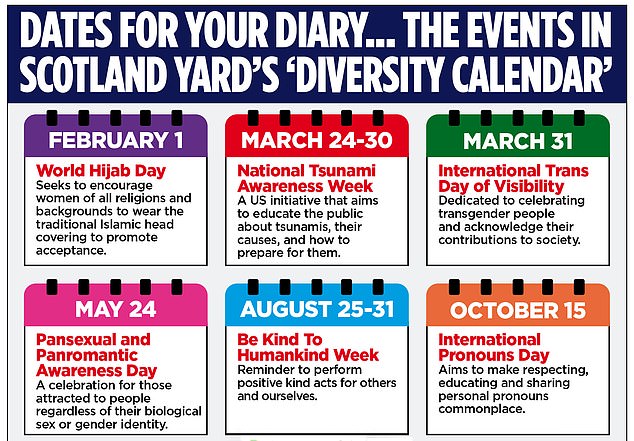
This information was obtained through a Freedom of Information request and highlights the Met Police’s commitment to expanding its “woke” workforce. The data shows that the force has an extensive array of inclusivity projects, including a ‘diversity calendar’ featuring events such as International Pronouns Day, Pansexual and Panromantic Awareness Day, Be Kind To Humankind Week, and National Tsunami Awareness Week.

In addition to these events, there are 47 staff support networks, covering topics like bisexuality, gender equality, and mental health. There are also 19 associations for various ethnicities, including Ibero-American, Polish, Italian, Slavic, and Romanian communities, as well as support for followers of every major religion.
These initiatives come at a time when the Met Police is struggling to maintain its operations. Sir Mark Rowley, the Met Commissioner, has stated that the force will lose 3,300 police officers in 2025 and 2026 and close ten more police station front counters.
Criticism from Political Leaders
Political leaders have voiced their concerns about the Met Police’s focus on diversity initiatives over frontline policing. Susan Hall, the Conservative group leader on the London Assembly, criticized the move, calling it “absolute wokery” and stating that the public wants police officers to focus on their jobs rather than on events like Tsunami Week.
Reform MP Lee Anderson echoed similar sentiments, arguing that diversity should not be a priority. He emphasized that what matters is competence, efficiency, and keeping the public safe. He also noted that the Met Police used to be taken seriously but now prioritizes funding diversity departments over maintaining essential services.
New Roles and Public Reaction
The Met Police is currently advertising for two ‘life events delivery managers’ at a salary of £47,000 per year. One role will help parents find a good work-life balance, while the other will assist staff with disabilities and neurodivergent conditions. Both positions are based in Kilburn, where the local police station closed its front counter to the public in 2017.
William Yarwood of the TaxPayers’ Alliance called for the Met to “scrap the gimmicks and get back to basics,” emphasizing that taxpayers expect bobbies on the beat rather than endless networks and awareness weeks.
The Met currently spends £3.2 million on posts in its Culture, Diversity, and Inclusion Unit, which will rise to £5.2 million once all current vacancies are filled. The force acknowledged that this figure does not include any other posts that may lead or be involved in DEI-related activities across other business areas.
Impact on Mounted Division
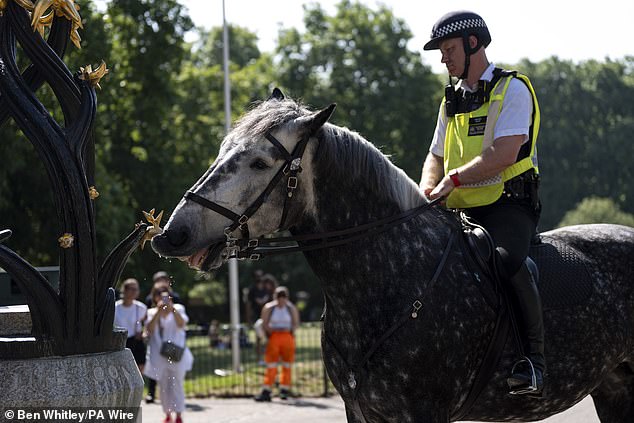
The mounted division of the Met Police is also facing cuts as part of a broader cost-cutting drive. Close to half of the mounted division is set to be axed to help reduce the force’s £260 million debt. Officers are expected to learn soon whether they will be redeployed or made redundant.
The Met Police plans to cut the number of horses from 93 to 40 and eliminate 69 out of 120 police officers and ten out of 32 support staff roles. Five of the seven stable blocks at the Surrey base will be closed, with horses either redeployed to other forces, retired, or rehomed.
Despite the cuts, the Met Police insists that officers and civilian staff will be supported and redeployed, not made redundant. A spokesman stated that the reductions to the mounted branch have always been part of the proposals, adding that resources will be prioritized to put more officers on the beat in the busiest parts of London.
Broader Implications
The Met Police is also planning to lose 1,700 officers, PCSOs, and staff, with several services, including the Royal Parks police and officers in schools, facing cuts. Forensics and historical crime teams are also at risk, and station front-counter opening times could be reduced.
While extra funding from central government and the London mayor has helped avoid the worst-case scenario of “eye-watering cuts” that could have seen the loss of 2,300 officers, the future of the Met Police remains uncertain.
The mounted branch, formed in 1763 to combat highwaymen, has a rich history and plays a vital role in policing high-crime areas and high-profile public order and ceremonial events. Each horse undergoes six months of training to get used to noise, while officers complete a demanding 20-week riding course.
As the Met Police continues to navigate its financial challenges, the debate over the balance between diversity initiatives and frontline services remains a contentious issue.