

Understanding the Link Between GERD and Heart Attack Risk
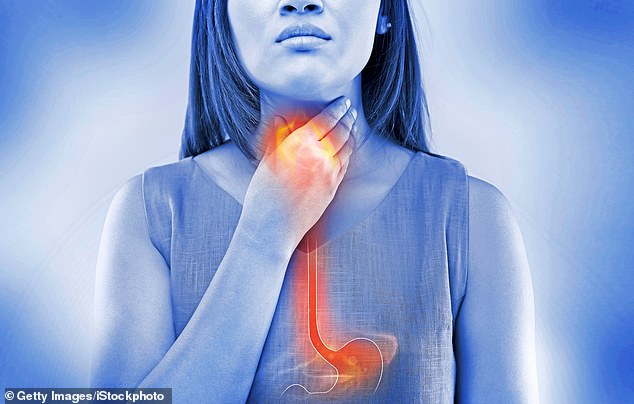
Gastroesophageal reflux disease (GERD) is a common digestive disorder that affects millions of people worldwide. It occurs when stomach acid flows back into the esophagus, causing discomfort such as heartburn, chest pain, and difficulty swallowing. In the UK alone, over 20% of the population will experience GERD at some point in their lives, with 1.5 million requiring long-term medication to manage the condition.
Without proper treatment, GERD can lead to serious complications, including permanent damage to the esophagus and respiratory tract. However, recent research suggests that the condition may also increase the risk of heart attacks, raising concerns among medical professionals and patients alike.

Study Reveals Increased Heart Attack Risk for GERD Patients
A study conducted by researchers in Philadelphia analyzed the medical data of over 1.3 million patients across six studies to investigate whether GERD is a risk factor for heart attacks. The findings revealed that individuals with GERD had a 27% higher risk of experiencing a heart attack compared to those without the condition.
The researchers believe that chronic inflammation and nervous system dysfunction caused by GERD are likely contributors to this increased risk. These factors could play a significant role in the development of cardiovascular issues in patients with GERD.

Common Risk Factors Between GERD and Heart Disease
Previous studies have shown that GERD and chronic heart disease share similar risk factors, such as smoking, excessive alcohol consumption, being overweight, and being male. These shared risk factors may partially explain why GERD increases the likelihood of heart attacks.
Dr. Tinsae Anebo, the lead author of the study, emphasized the importance of further research into preventive strategies and targeted interventions for GERD patients. She suggested that acid suppression therapy and lifestyle modifications could help reduce cardiovascular risks associated with the condition.
Managing GERD: Lifestyle and Medical Treatments
Treating GERD often involves making dietary and lifestyle changes. Patients are advised to avoid foods that trigger symptoms, eat smaller, more frequent meals, and maintain a healthy weight. Adjustments to sleeping positions can also help reduce acid reflux.
In addition to lifestyle changes, medications such as antacids and proton pump inhibitors (PPIs) are commonly used to neutralize stomach acid and heal esophageal damage. However, the long-term use of PPIs has been linked to potential cardiovascular risks, as they may affect the vascular function of the heart.
This raises important questions about the long-term safety of PPIs and whether alternative treatments, such as dietary adjustments, should be considered for managing GERD.
Ongoing Research and Public Health Implications
As the link between GERD and heart attack risk becomes clearer, there is growing interest in re-evaluating current treatment approaches. Some experts are questioning whether the NHS should reconsider its reliance on PPIs and explore more sustainable solutions like dietary changes for long-term relief.
Additionally, concerns have been raised about the potential dangers of long-term PPI use, including an increased risk of infections like C. diff and even dementia. These findings highlight the need for a balanced approach to treating GERD, weighing the benefits of medication against possible long-term health consequences.
Final Thoughts
The connection between GERD and heart attack risk underscores the importance of understanding the broader implications of chronic digestive conditions. As research continues to evolve, it is essential for both healthcare providers and patients to stay informed and consider all available treatment options. By addressing the root causes of GERD and exploring alternative therapies, it may be possible to reduce not only the symptoms of the condition but also the associated cardiovascular risks.