
Porridge has been a part of human history for over 32,000 years. It was the early hunter-gatherers of the Stone Age who first combined water with oats, and perhaps added a pinch of salt if they were lucky, creating a dish that they found delicious.
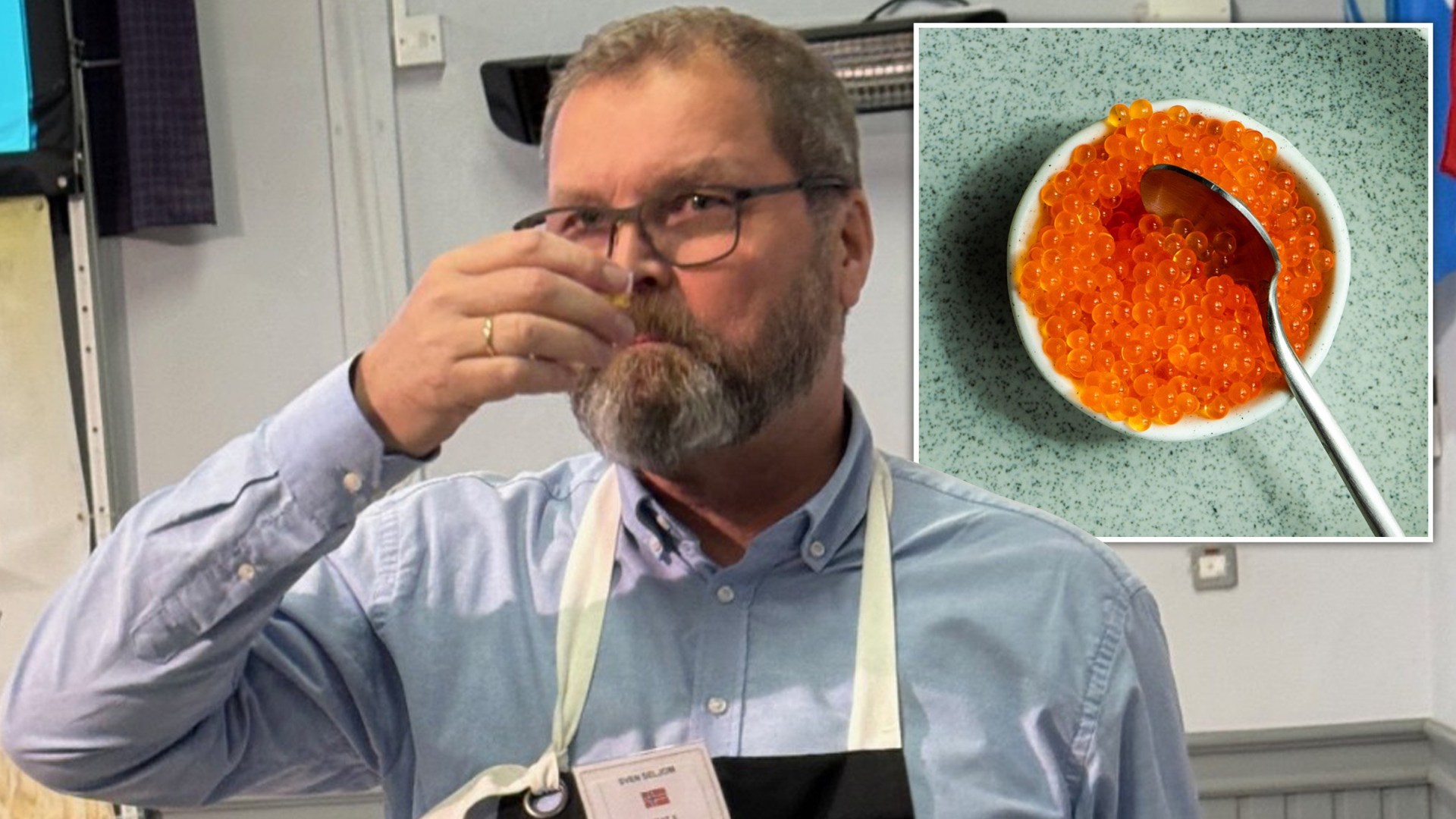
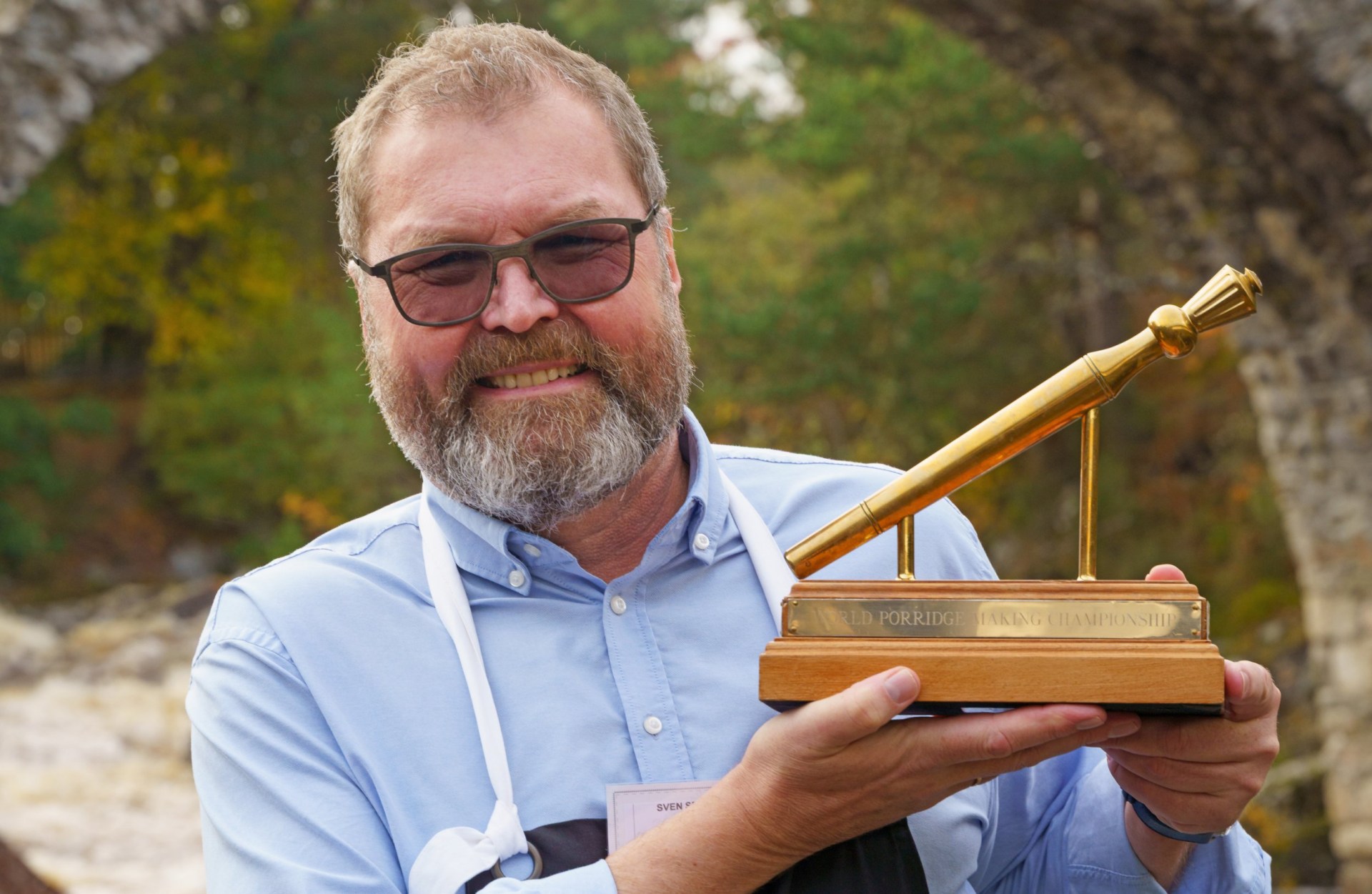
Fast forward to 2025, and Sven Seljom, the reigning champion of the world porridge championship, is pushing for a transformation in how millions around the globe enjoy this breakfast staple. The Norwegian, who recently defeated Scottish competitors in the contest, has a unique approach to elevating the traditional oat-based dish.

Sven’s secret weapon is a combination of caviar, dried fish, and sour cream, which he believes complements the creamy texture of porridge perfectly. He is determined to showcase this innovative blend at the upcoming Golden Spurtle contest, where he aims to claim the prestigious title once again.
A significant factor in Sven’s success was the revival of an ancient grain known as black oats. These grains, once consumed by the Vikings over a thousand years ago, had nearly disappeared by the 1800s. However, they made a comeback in the late 2010s when a grower in Norway began cultivating them again.
Sven recalls his first encounter with the grain: “When I tasted it, I thought it was something completely different. It’s healthier, and the amount of fat makes it creamier.” Although some of his friends weren’t immediately impressed, the judges were clearly won over, leading to his victory in the competition.
Sven is not a fan of instant oats, which many Brits rely on for breakfast. He describes them as “boring and gluey,” and believes they do not do justice to the potential of porridge.
Now that he has brought attention to the nuttier alternative, which is only available in Norway, Sven hopes his recipe will spark a porridge revolution. His vision is for more people to embrace the richness and versatility of this ancient dish.
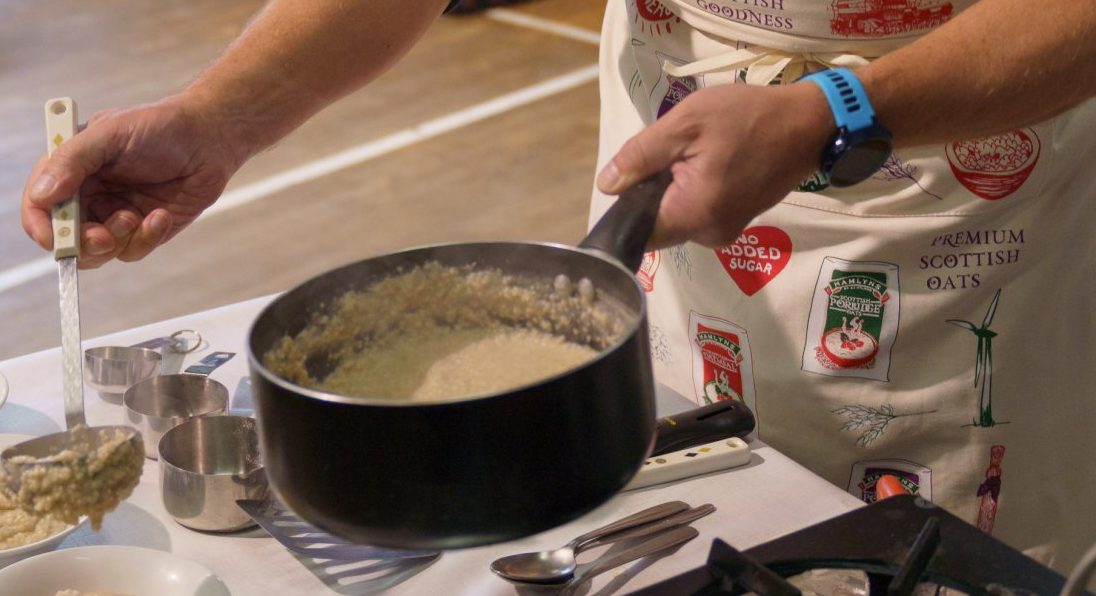
Sven shares his timeline for preparing the perfect bowl of porridge:
- Leave the porridge oats to soak overnight, ideally for up to 24 hours.
- In the morning, start cooking the porridge on low heat while you take a shower or get ready for the day.
- When you’re ready to eat, increase the heat. The porridge will be ready in six to seven minutes.
For the best results, Sven highly recommends using steel-cut oats instead of rolled oats. He also suggests trying his award-winning black oats from Norway.
“If you put a little bit more time and effort into your porridge, you will be rewarded,” Sven declares.

Despite the challenges of finding black oats outside of Norway, Sven remains optimistic. He notes that during the competition, attendees were able to taste leftovers, and at least 100 people approached him saying it was the best porridge they had ever eaten. This, he hopes, could encourage farmers in the UK to start growing the grain.
Oats are not the only way Sven wants to make waves. Each year, the Golden Spurtle also hosts a ‘Speciality Porridge’ category, allowing participants to experiment with various ingredients.
This year, the category was won by food stylist Caroline Velik from Australia, whose creation included Bundaberg banana toffee rum liqueur, bananas, oatmeal, and waffle seeds. Sven, however, has his own plans for next year.
He explained: “What I wanted to do for my speciality porridge this year was to bring some cured mushrooms from Norway, and dried fish. Next year, I was also thinking about making blinis and serving them with sour cream and salmon caviar. I’m hoping to bring with me some more exotic ingredients maybe next year.”
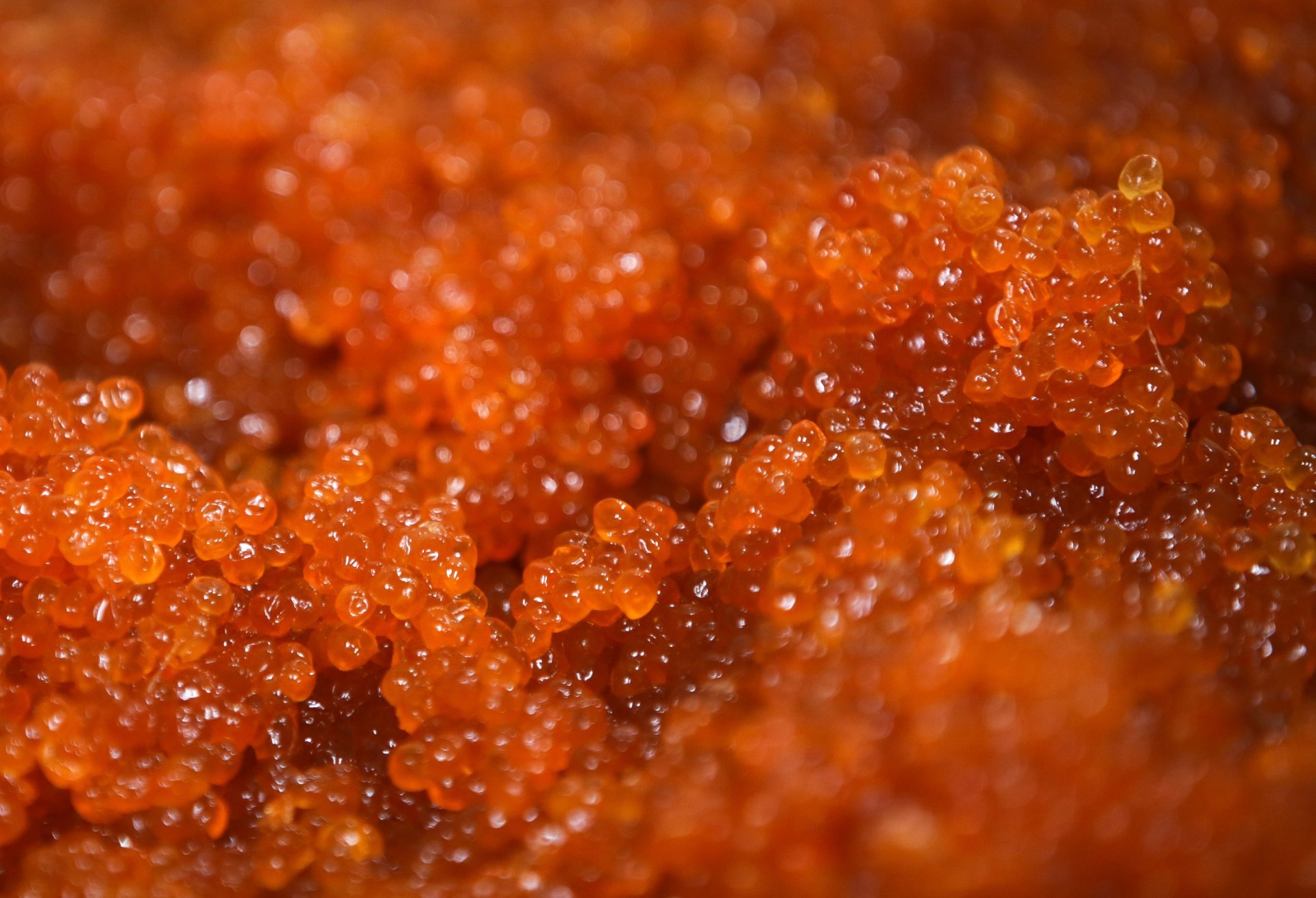
Blinis are yeasted pancakes traditionally from Russia, made from buckwheat flour and often served with caviar. For the traditional porridge category, which requires only oatmeal, water, and salt, Sven is confident that his recipe is already the “best porridge” he has ever tasted.
Sven is also keen to clarify that porridge is not exclusive to Scotland. He insists that it is a popular dish in Norway, where it has been enjoyed since the Viking era. There are even restaurants in Norway that serve nothing but porridge.
“It was a very humbling experience to win this competition,” he says.
According to reports, hunter-gatherers ate oats as far back as 32,000 years ago, long before the advent of farming. Scientists at the University of Florence discovered this by analyzing starch grains on an ancient stone grinding tool from southern Italy.
Today, oat-based porridge is the most common type enjoyed by Brits, but the study suggests that ancient Scots may have preferred wheat porridge.
If Sven’s family has anything to say about it, porridge will continue to play a significant role in the future. His children grew up eating it, and his toddler grandson is already enjoying the oats at a young age.