
The Struggle for Economic Growth in Mid-Wales
Windswept hills, dense forests, and vast farmlands create a picturesque landscape in mid-Wales. However, this remote beauty has also led to economic challenges, with many areas suffering from what is known as ‘hidden poverty.’ Limited job opportunities, primarily in farming, forestry, and tourism, along with inadequate transport and infrastructure, have made it difficult for these regions to thrive.
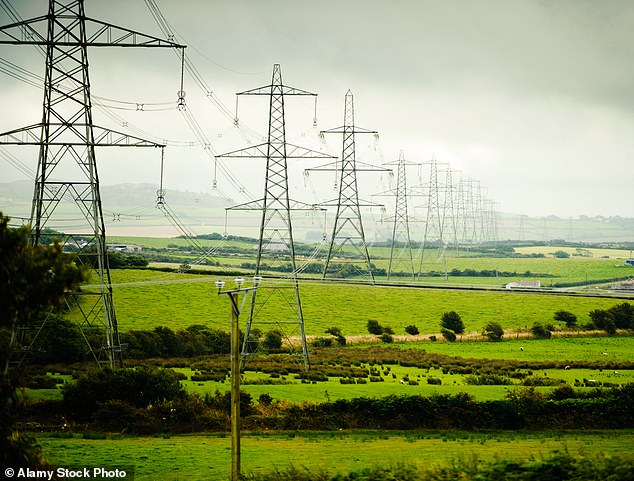
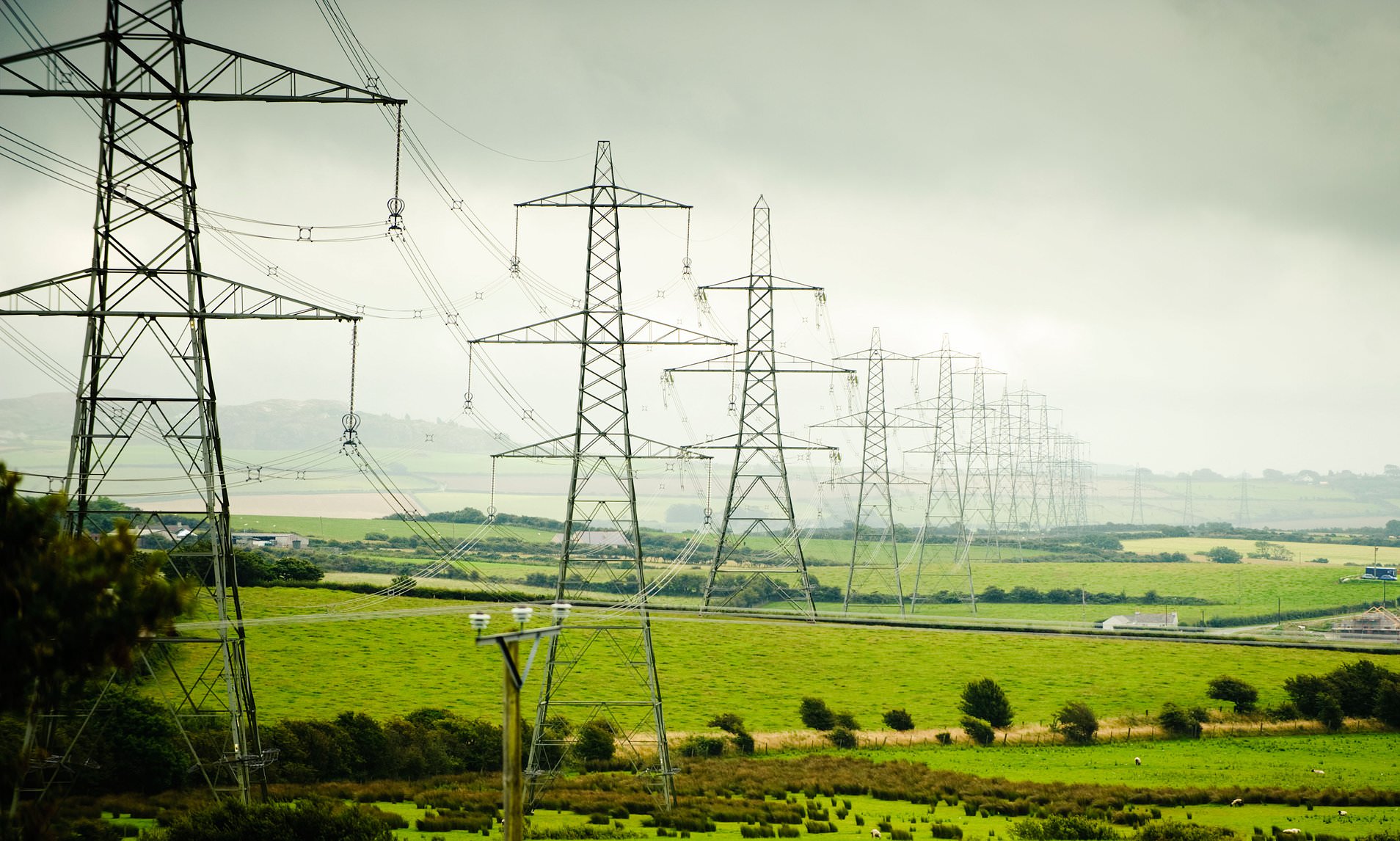
To address these issues, a £1 billion project called Green Gen Cymru is being proposed. This initiative involves building a 200-mile grid that would connect numerous new wind farms across the region. Supporters believe this could bring much-needed economic growth to Wales’s rural communities.

However, the future of the Green Gen Cymru project is uncertain due to significant political changes in Wales. The Labour Party, which has historically supported the project, may lose control of the Welsh Senedd for the first time since devolution in 1999. Recent election results, such as the Caerphilly by-election, show a shift in political power, with Plaid Cymru and Reform UK gaining strong support.
Reform UK has expressed opposition to the project, arguing that the pylons would harm the environment. Meanwhile, Plaid Cymru supports the idea of underground cables or using low wooden poles instead. These differing views highlight the complexity of the issue and the need for a balanced approach.
The Vision Behind Green Gen Cymru
Stuart George, the head of Green Gen Cymru, emphasizes the importance of the project. He states that there is a significant gap in transmission infrastructure between the Valleys and the north coast of Wales. The proposed network aims to stimulate economic growth by providing the necessary power grid for businesses and residents.
George explains that without this infrastructure, businesses cannot expand, and people cannot electrify their homes or use electric vehicles and heating systems. He believes the project will create billions in economic benefits and provide more opportunities for young people to stay in their communities rather than move elsewhere for work.
The project is backed by Copenhagen Infrastructure Partners, a Danish energy firm that has invested £600 million. While George acknowledges concerns about the visual impact of the pylons, he argues that they will be smaller than traditional ones and only a small percentage of the cables will be buried. Burying the lines would be significantly more expensive, he says.
Local Perspectives and Concerns
Despite the potential benefits, some locals remain opposed to the project. Tina Roberts, a member of Llandovery council, expresses concerns about the pylons damaging the natural beauty of the area. She suggests that if the cables were underground, there would be less protest.
Some landowners, however, are more accepting of the project, especially those who receive compensation for having the power lines on their property. Others, like a Carmarthenshire landowner who prefers to remain anonymous, believe that the project may not be in the best interest of the local community.
There are also historical concerns, with some people recalling past instances where Welsh valleys were flooded to supply water to cities like Birmingham and Liverpool. This history fuels skepticism about whether the current project will truly benefit Wales or serve external interests.
The Future of Renewable Energy in Wales
If completed, the Green Gen Cymru project would connect wind farms capable of generating 3.3 gigawatts of power—enough to supply up to 3 million homes. This renewable energy source could play a crucial role in Wales’s transition to a more sustainable future.
As political and environmental debates continue, the success of the project will depend on finding a balance between economic development and preserving the natural landscape. The outcome of the upcoming Welsh elections will also be a key factor in determining the future of Green Gen Cymru.