
A National Crisis of Identity and Integrity
The recent scandal involving the Football Association of Malaysia (FAM) using forged documents to secure eligibility for seven foreign-born players is a deep embarrassment for the nation. This incident has not only tarnished Malaysia’s sporting reputation but also raised serious concerns about the integrity of our national registration system.
Sport is meant to bring people together and represent national pride. However, when national representation is built on falsified documents and questionable citizenship status, it strikes at the very heart of our national identity. The implications of this situation are far-reaching and deeply troubling.

A Question of Fairness and Justice
What message are we sending to Malaysians who have fought for years, sometimes decades, to obtain recognition for their rightful citizenship while others appear to be granted it almost instantly for football convenience? This discrepancy raises fundamental questions about fairness and justice in our society.
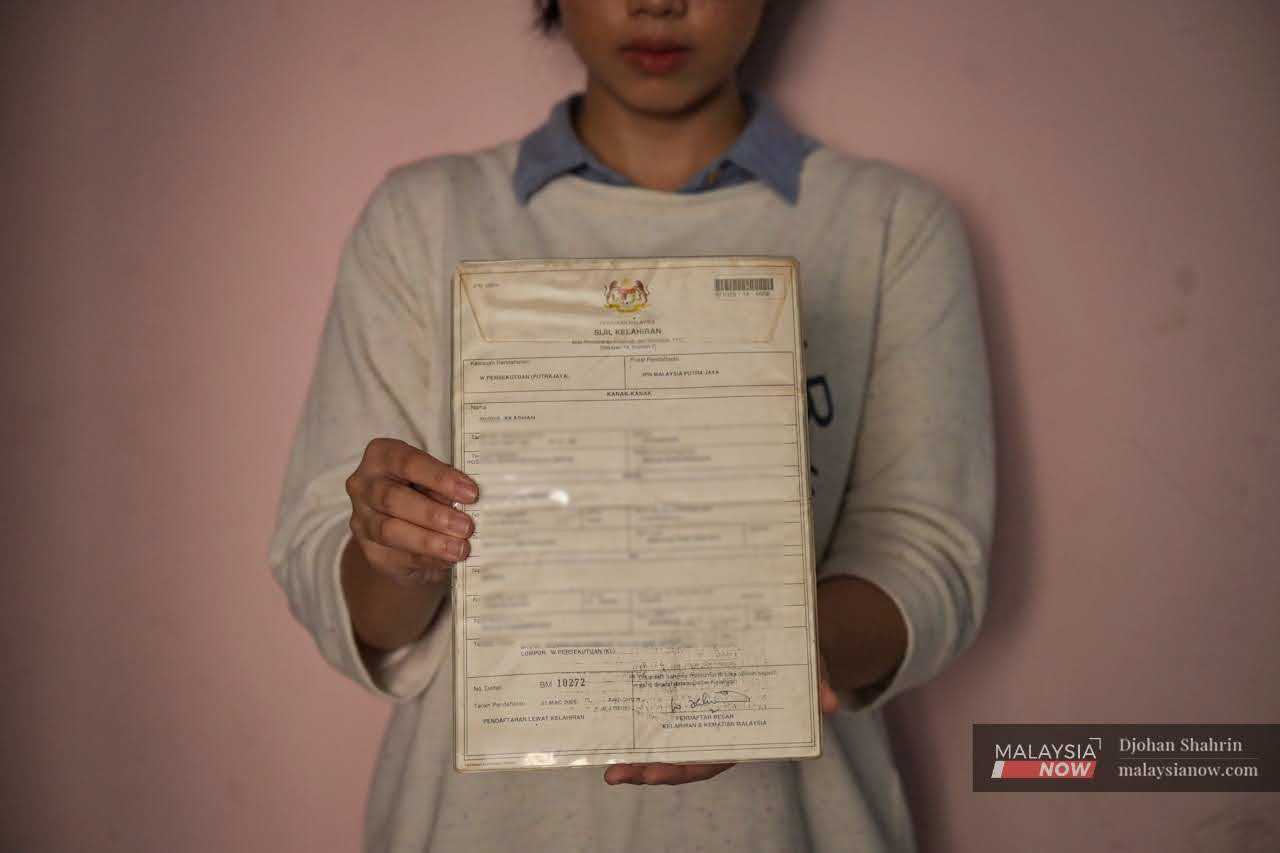
The situation highlights a glaring double standard in how citizenship is handled in Malaysia. While these foreign players seem to have obtained their Malaysian identification cards with suspicious ease, despite having no genuine ancestral link to the country, thousands of stateless children born and raised on Malaysian soil continue to suffer from bureaucratic neglect.
These children are not outsiders. Many were born to Malaysian parents, attended Malaysian schools, speak our national language, and share our culture and values. Yet, they are forced to live in limbo because of procedural complications, outdated laws, and an often indifferent bureaucracy. Their citizenship applications are delayed, rejected, or simply ignored, trapping them in a cycle of uncertainty and injustice that no child should ever have to endure.
The Consequences of Bureaucratic Neglect
How can we, as a nation, justify such an imbalance? How can foreigners with no real ties to this land receive citizenship documents in months, while genuine Malaysian children wait years without answers?
This is not just a question of administrative failure; it is a matter of moral conscience. In Malaysia, not having an identification card means being denied access to almost every basic right and opportunity. Without a MyKad, a person cannot open a bank account, apply for a loan, purchase property, enrol in higher education, or secure proper employment.
They are invisible in the eyes of the system, unable to live a full life despite being part of the community. They are punished for circumstances beyond their control, often because of legal technicalities, parental documentation issues, or bureaucratic delays. The pain and humiliation faced by these families are real and often lifelong.
A Personal Perspective
I have personally assisted parents in applying for MyKad for their children, and the process is painfully slow, burdened by bureaucracy, uncertainty, and cost. Some families spend years gathering documents, making appeals, and travelling repeatedly to government offices, only to face rejection or silence.
Some succeed after years of emotional exhaustion and financial strain, while others remain trapped in despair despite fulfilling every requirement. I fully understand that the MyKad is a privilege, and that strict procedures exist to safeguard our national security. However, there is a vast difference between protecting national integrity and denying rightful citizens their identity.
Fairness and compassion must remain at the core of our policies. When rules are applied selectively, trust in the system erodes. Citizenship should never be treated as a commodity to be traded for convenience or political favour.
Calls for Accountability and Reform
Law enforcement agencies must now investigate how it was possible for seven foreign players to so easily obtain Malaysian citizenship, while stateless children of Malaysian parents continue to face endless red tape. Such a discrepancy is not merely a technical error; it is an indictment of how our administrative system can be manipulated when oversight fails.
If these allegations are true, they reveal a dangerous precedent: that our citizenship process can be exploited for short-term gains, particularly in areas like sport, where political and national pride often blur ethical boundaries.
The government must act decisively to hold those responsible accountable and restore faith in the fairness of our citizenship framework. This includes reviewing the entire process for citizenship applications, simplifying procedures for children born to at least one Malaysian parent, and strengthening verification systems to prevent abuse.
Citizenship should never be a privilege reserved for a select few, granted through connections or manipulation. It is a sacred bond between the individual and the nation—one that should be earned through truth, fairness, and genuine belonging.
To deny rightful Malaysians their identity while granting it easily to outsiders is not only a bureaucratic failure but also a moral injustice. Until we address this double standard, we cannot claim to be a nation that truly values integrity, equality, and the rule of law.
Iskandar Khoo represents the Kepong division of Perikatan Nasional. The views expressed in this article are those of the author(s) and do not necessarily reflect the position of .