
Retail Giants Seek Relief from Proposed Business Rate Hikes
Britain’s largest supermarket chains are urging the Chancellor to exempt them from proposed increases in business rates. The move comes as executives from nine of the UK’s biggest grocery retailers prepare to present their case ahead of the upcoming Budget.
The British Retail Consortium, an industry group representing these companies, has organized a letter signed by top executives from Asda, Tesco, Aldi, Iceland, Lidl, Marks & Spencer, Morrisons, Sainsbury’s, and Waitrose. They argue that large shops play a vital role in supporting local communities, creating jobs, and driving foot traffic to smaller businesses.

The letter highlights the importance of supermarkets in providing essential services and maintaining economic activity in town centres. It suggests that instead of increasing business rates for shops, the government should consider raising taxes on larger properties such as offices, warehouses, and banks. This approach, they claim, would not cost taxpayers anything and would be more proportionate to the costs faced by these types of properties.
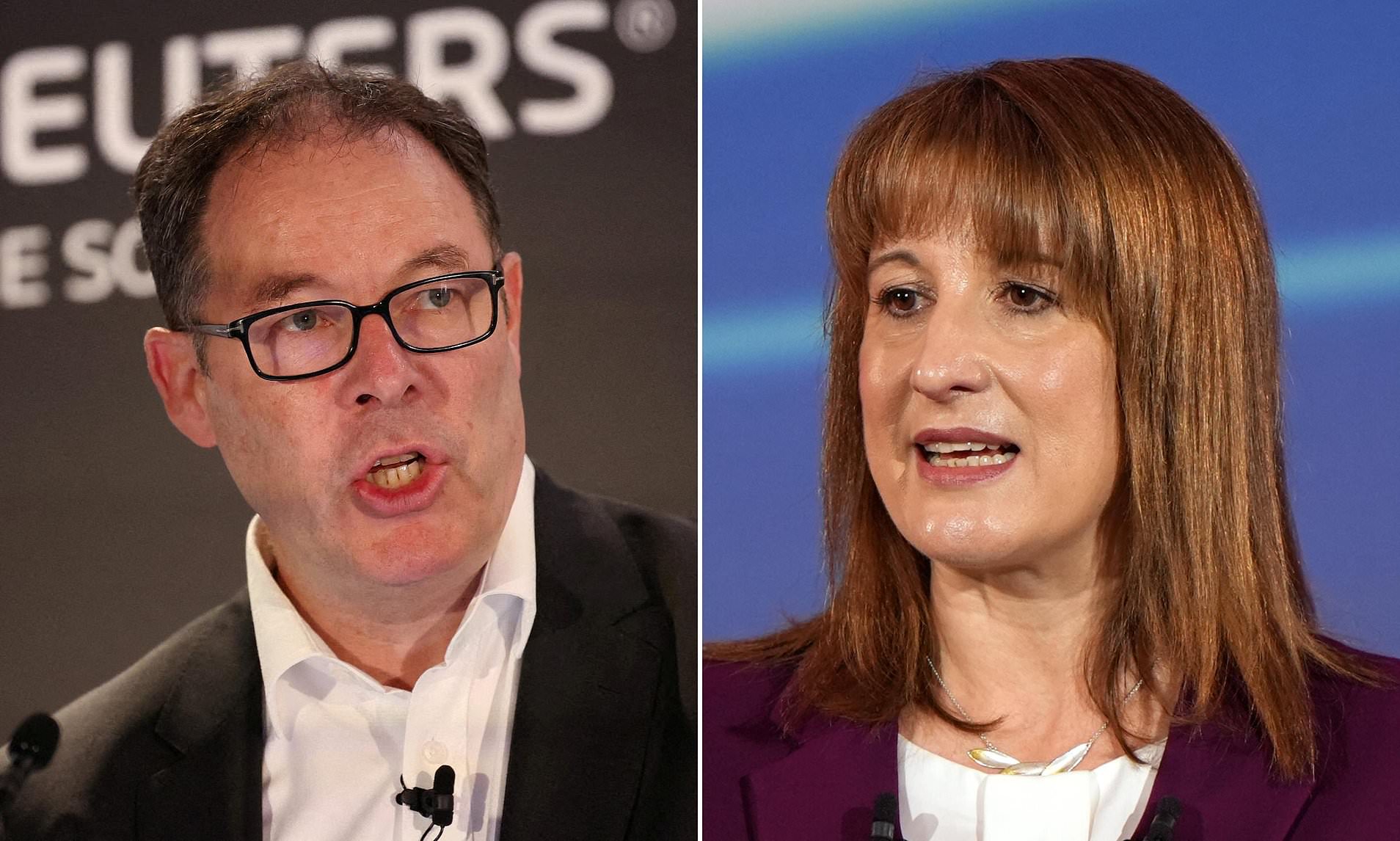
The current proposal by Rachel Reeves involves charging higher business rates on large shops to subsidize lower levies for smaller ones. However, the retail sector is concerned that this could lead to increased food prices, further fueling inflation and worsening the cost of living crisis.
Retail leaders have also warned that tax hikes could force stores to close, leading to job losses and the disappearance of key “anchor” tenants in town centres. These closures would negatively impact smaller businesses that rely on the foot traffic generated by supermarkets.
The industry has already been struggling with an additional £7 billion in costs from last year’s Budget, which included higher wages and National Insurance Contributions for employers. Business rates are determined based on the value of commercial properties, meaning that physical stores and hospitality venues pay more than online giants like Amazon.
This issue has long been a point of contention between retailers and successive governments. Despite promises to make the system fairer for traditional brick-and-mortar businesses, the sector has yet to see the changes it demands.
Reeves’ proposed reforms, which would impose higher taxes on properties valued at £500,000 or more, have further angered retailers. They argue that large retail stores already contribute significantly to business rates, despite making up only a small percentage of all stores.
In the letter, the retail bosses emphasized that exempting shops from rate increases would help reduce food inflation and support jobs and investment across the country. They also stressed that the current financial pressures are unsustainable for the industry.
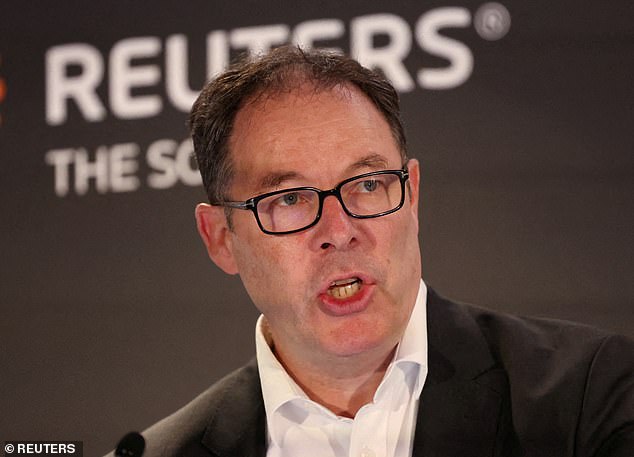
Earlier this month, Ken Murphy, CEO of Tesco and one of the letter’s signatories, expressed frustration over the ongoing challenges faced by businesses. He described the tax increases as an unnecessary burden on the sector.
Notably absent from the list of signatories was Shirine Khoury-Haq, CEO of Co-op, who has raised concerns about the potential impact of the proposed reforms on small retailers. She warned that 60,000 small retailers and 150,000 jobs could be at risk if the reforms are not properly addressed in England.