Major Financial Adjustment for the UK
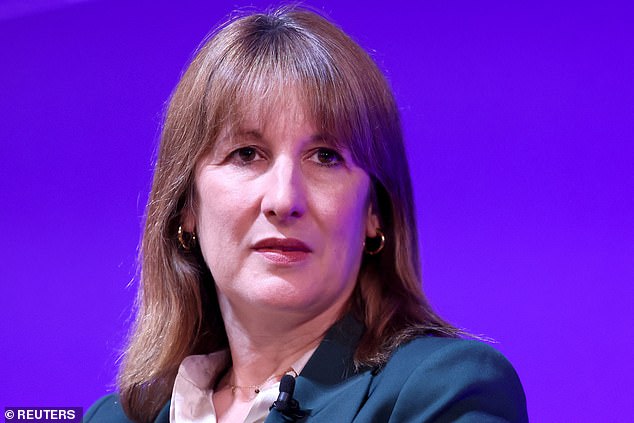
Rachel Reeves, the UK Chancellor, received a significant financial boost of £3 billion after it was revealed that borrowing figures had been overstated. This revelation came from the Office for National Statistics (ONS), which identified errors in the VAT numbers provided by HM Revenue and Customs (HMRC). These errors affected public sector finance figures between January and August.
By correcting these errors, the borrowing deficit – the difference between tax receipts and government spending – is expected to decrease by £1 billion for the financial year ending in March 2025 and by £2 billion for the current fiscal year. This development marks another embarrassing misstep for Britain’s official statisticians, who have faced criticism in recent months over inaccuracies in various data sets, including retail sales, unemployment, and inflation figures.

Rob Wood, the chief UK economist at Pantheon Macroeconomics, highlighted that these issues suggest official statistics should be approached with caution for now. The correction of these errors provides a rare positive outcome for the Chancellor, who is currently dealing with an estimated £30 billion shortfall in public finances.
This situation follows previous challenges, such as a downgrade in productivity estimates, which some analysts believe could cost up to £18 billion. Sanjay Raja, the chief economist at Deutsche Bank, noted that while the impact of this adjustment is relatively small, it may not significantly alter the overall financial landscape.
Experts predict that tax increases are likely, causing concern among businesses already struggling with the effects of last year’s Budget. A poll conducted by the Institute of Chartered Accountants (ICAEW) in England and Wales revealed that confidence among business leaders is at a three-year low, with 60% of firms expressing worry about the tax burden.
Alan Vallance, the chief executive of ICAEW, emphasized that concerns over potential tax hikes are stifling any sense of risk-taking or ambition within the business community. He urged the government to demonstrate its support for businesses by creating an environment conducive to growth, starting with a firm commitment not to raise business taxes.
If the government fails to do so, Britain risks falling into stagnation, according to Vallance. Meanwhile, major bond market players like Pimco and BlackRock argue that merely restoring public finances to their earlier state this year—leaving the Chancellor with a slim £9.9 billion in headroom—will not be sufficient.
Andrew Balls, the chief investment officer at Pimco, told the Financial Times that having more of a financial buffer would make sense. This perspective underscores the ongoing need for careful fiscal management as the UK navigates its economic challenges.