
The Controversy Surrounding the UK’s Most Lucrative Double-Box Junction
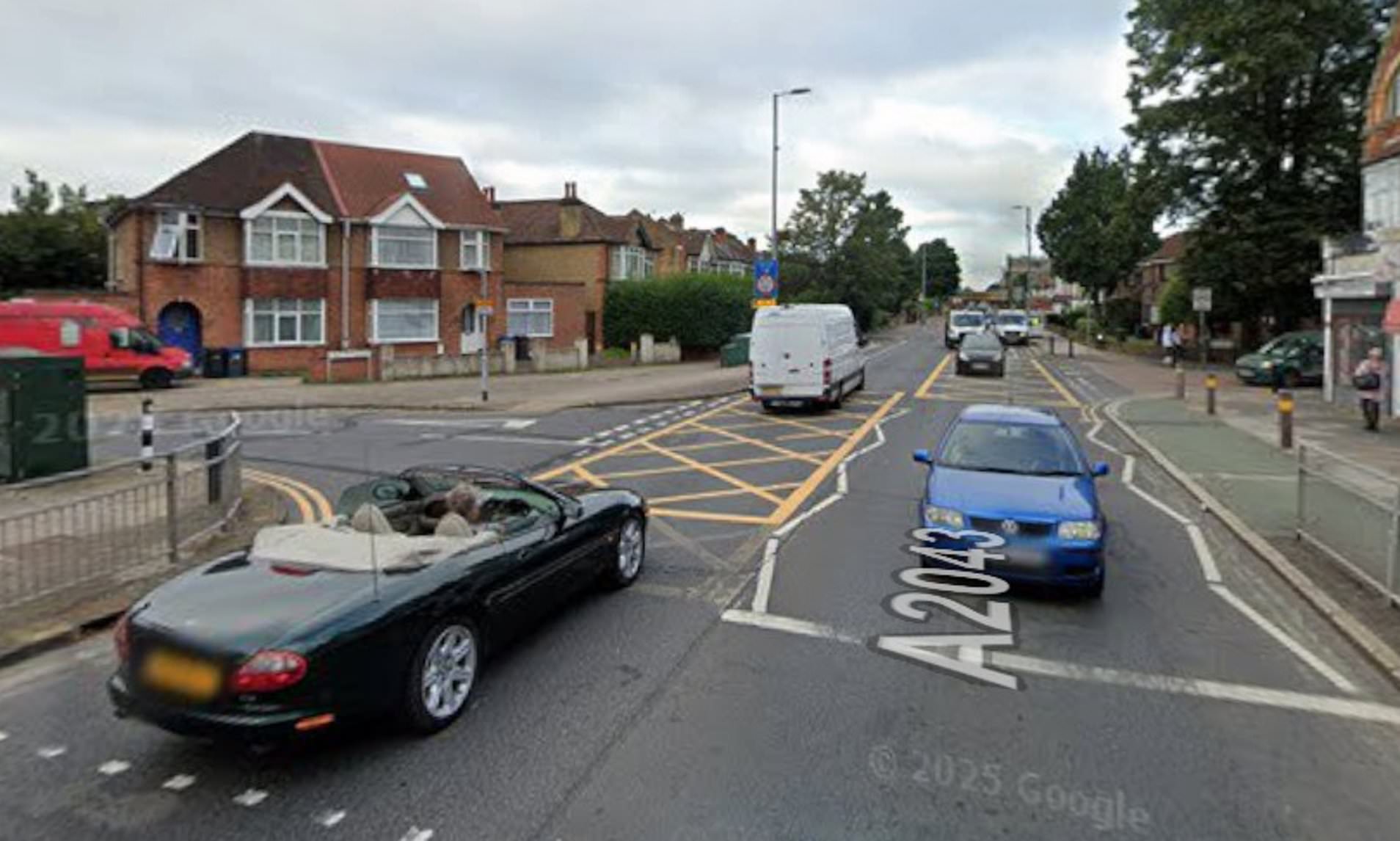
A double-box junction in the Royal Borough of Kingston upon Thames has become the subject of controversy, as it generates over £1,800 per day in fines from drivers who violate its rules. This junction, which consists of two yellow boxes, has been a source of frustration for local residents and business owners alike.
Between January and August this year, the council issued 6,568 penalty charge notices (PCNs) for violations at this location. On average, 27 penalties are issued daily, resulting in a total of £451,405 in fines for drivers during that period. The situation has sparked debates about whether these fines are being used as a revenue-generating tool rather than a means of improving traffic flow.

Roland Head, the owner of The Real Butchers, a shop located next to the junction, described the area as a “cash cow.” He claimed that the local government is unlikely to make any changes because the fines provide a steady income. The two yellow boxes between Elm Road and Westbury Road have been in place since 2015, but fines were not introduced until five years later.
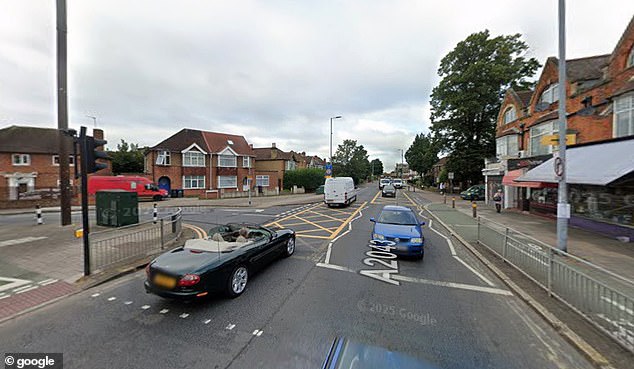
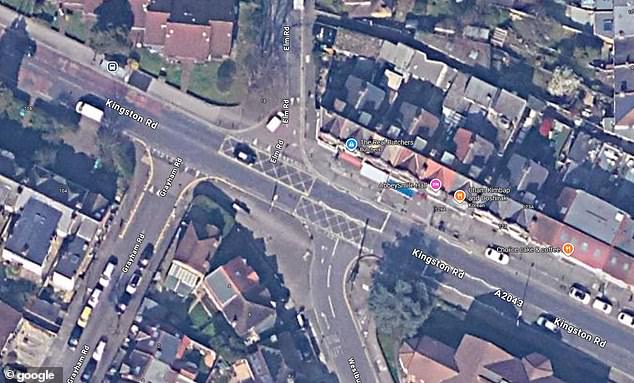
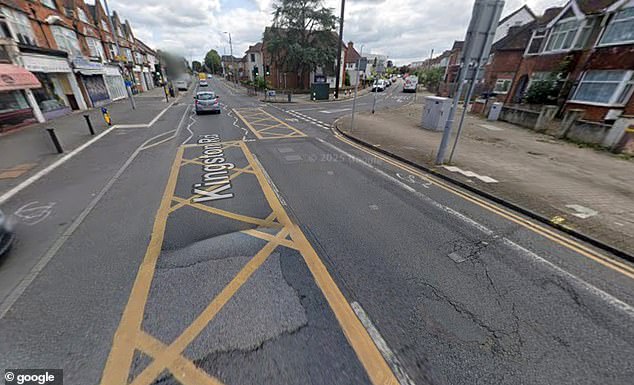
To prevent drivers from avoiding penalties by parking on the pavement, the council has added a bollard in front of The Real Butchers. According to the Highway Code, drivers must not enter a yellow box unless they can pass through it without stopping. This rule is intended to prevent gridlock and ensure smooth traffic flow.
What Are Yellow Box Junctions?
Yellow box junctions are a traffic control measure designed to keep intersections clear and prevent congestion. They are easily recognizable by their yellow criss-cross lines painted on the road. Under the Highway Code, drivers are not allowed to enter a yellow box unless their exit is clear and there is enough space to pass through without stopping.
The only exception is when turning right and waiting for oncoming traffic to pass. However, many drivers feel that the fines can be unfair, as unexpected stops may occur due to other drivers’ actions. For example, the New Malden ambulance depot, located less than half a mile from the junction, often experiences delays when ambulances get stuck behind cars that are hesitant to move into the yellow box.
Fines and Their Impact
The fine for stopping in a yellow box junction is £160 in all London boroughs, with a reduced rate of £80 if paid within 14 days. Outside London, the fine is £70, reduced to £35 if paid promptly. There is no fixed minimum time a vehicle must be stopped in a yellow box to receive a penalty charge notice (PCN).
The Royal Borough of Kingston upon Thames claims that all the money generated from these fines is used for essential traffic and parking management, as well as other transport-related initiatives. A council spokesperson stated that the two yellow boxes are in place to prevent traffic from blocking junctions and to allow vehicles to enter and exit side roads safely.
However, the council disputes the claim that the junction has the highest revenue in the UK, arguing that it consists of two boxes rather than one.
Broader Trends in Yellow Box Enforcement
Between 2022 and 2024, the number of PCNs for ‘moving traffic offences’ in London increased by 8.5% to 3.45 million, or about one for every three residents. London and Cardiff were the only areas where drivers could be fined for yellow box offences until 2022, when new legislation allowed councils across England to enforce these rules.
Data from English councils showed that just 36 yellow boxes outside London and Cardiff were enforced last year, yet they triggered 32,748 PCNs. Manchester City Council issued the most box junction-related PCNs, with 13,130 for six junctions, generating £446,706 in fines. Kent’s Medway Council was second, with £145,162 from 4,433 PCNs, followed by Buckinghamshire Council with £139,798 from 3,618 fines.
At the lower end, Gloucestershire County Council issued just 30 fines, raising £945, while Leeds City Council handed out 50 fines, resulting in £605. Although only a small fraction of fines are appealed, the success rate of appeals can be as high as 87% in some cases.
Expert Opinions on Yellow Box Junctions
Rod Dennis, a senior policy officer at the RAC, said that yellow boxes that generate few fines are functioning as intended. He emphasized that councils should aim for proper placement and size of these junctions to avoid trapping drivers unintentionally.
Chartered engineer Sam Wright, commissioned by the RAC, analyzed 100 yellow boxes in London and Cardiff responsible for the most fines in 2019. His research found that 98 of them were larger than necessary, with an average size 50% bigger than required. This suggests that some junctions may be designed more for enforcement than for traffic management.
The debate over yellow box junctions continues, with critics questioning whether they are a tool for generating revenue or a legitimate method of improving road safety and traffic flow.