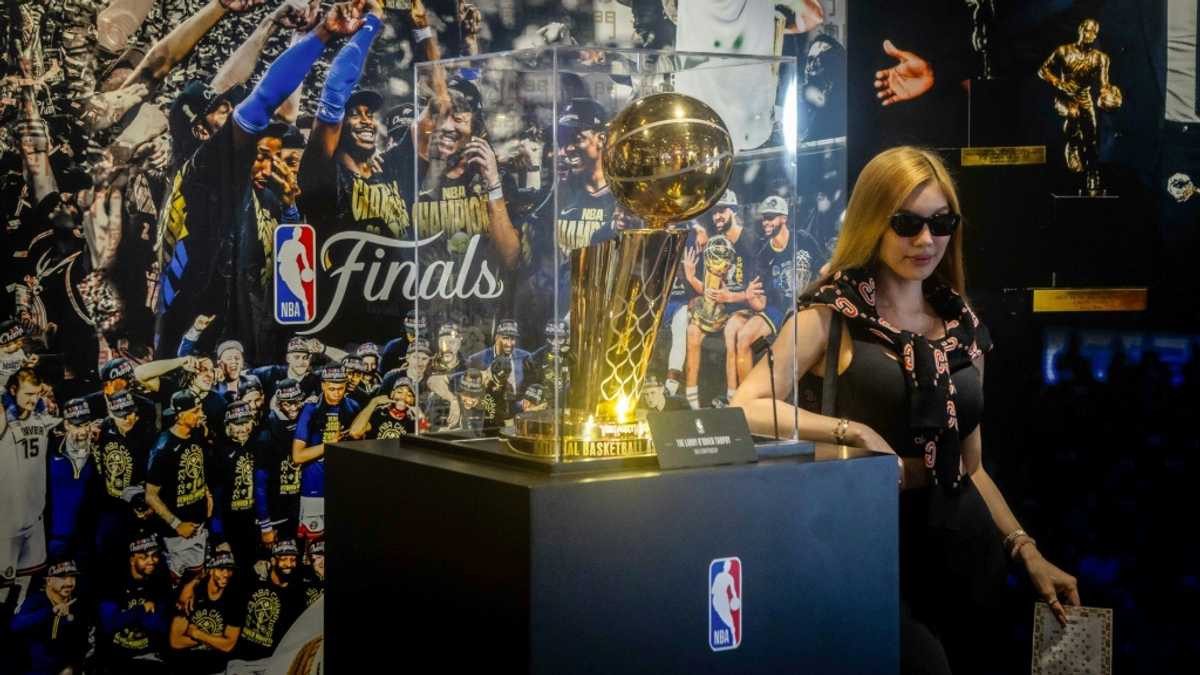

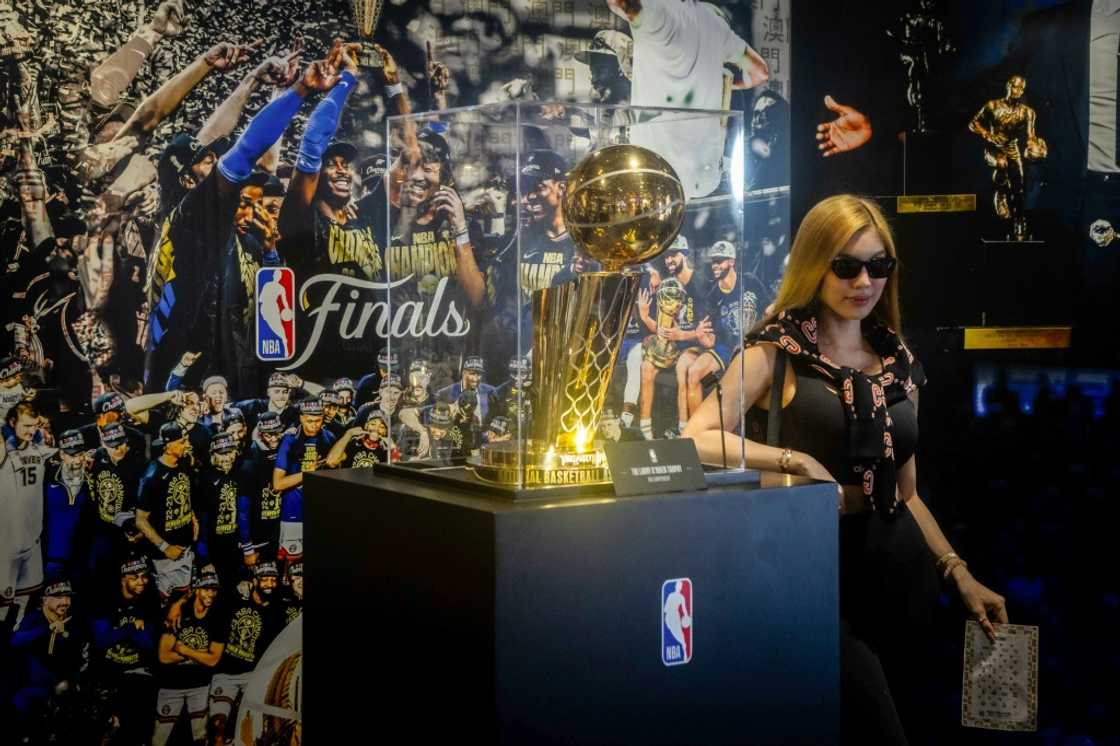
The NBA made a significant return to Macau this week, showcasing some of the league’s most prominent stars as part of its re-entry into China after a six-year absence. However, the most notable successes were not necessarily on the basketball court, according to industry insiders and experts.

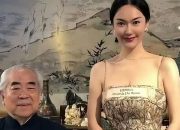
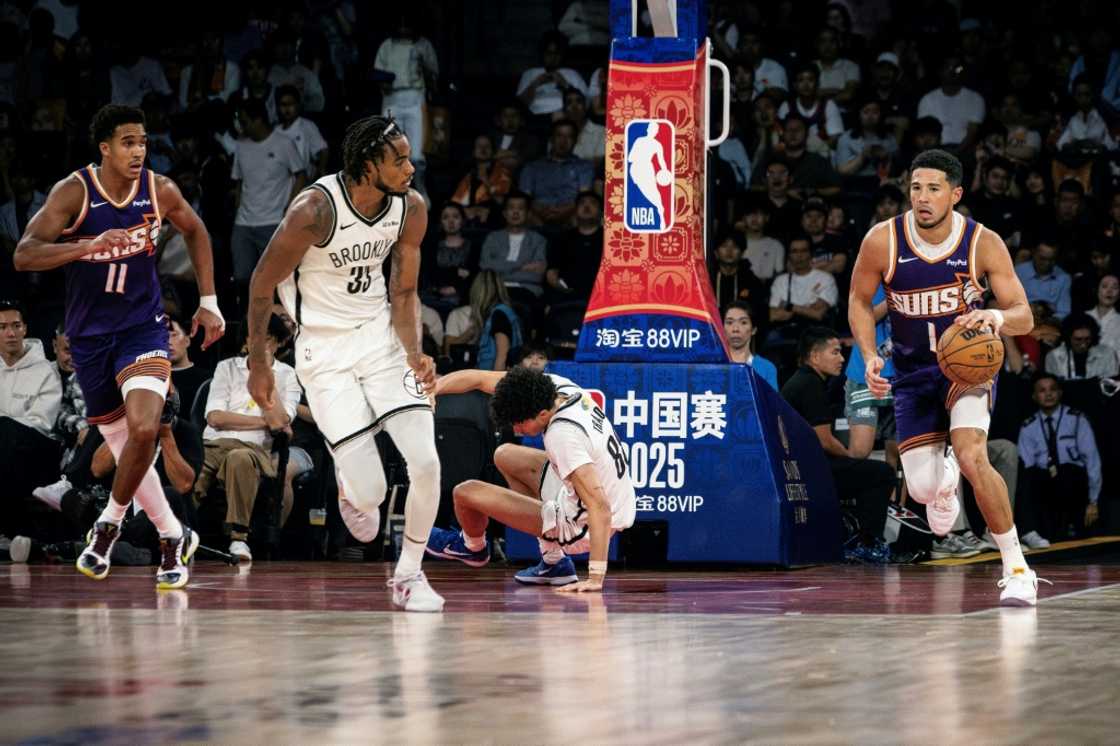
Thousands of fans gathered on Friday to witness the Phoenix Suns, led by four-time NBA All-Star Devin Booker, defeat the Brooklyn Nets. The event was attended by high-profile celebrities such as David Beckham, actor Jackie Chan, and Alibaba founder Jack Ma, who were seated in prime positions. This match marked the NBA’s first return to China since 2019, when it faced a significant backlash after a team official expressed support for democracy protests in Hong Kong.
Just hours after the pre-season game at the sold-out Venetian Arena, U.S. President Donald Trump announced an additional 100% tariff on Chinese goods, highlighting the complex political environment surrounding the NBA’s renewed engagement with Beijing.
Despite these challenges, the NBA and its star players are actively seeking to re-establish their presence in the post-pandemic Chinese market. LeBron James and Stephen Curry have both visited the country this year to promote their brands, signaling a strategic push to regain lost ground.
Michael Lin, vice president at sports digital agency Mailman, an IMG company, noted that athletes often emphasize the importance of their appearances in China. He mentioned how James Harden’s recent visit to China, where he sold his wine and quickly sold out, demonstrated the immense interest and potential of the market.
Near the arena, various booths showcased the NBA’s partnerships with major Chinese brands, including e-commerce giant Alibaba, live-video app Kuaishou, and dairy company Mengniu. These collaborations aimed to attract younger consumers through merchandise and other interactive experiences.
David Leiner, president of trading cards for Fanatics Collectibles, revealed that the company has started selling China-specific NBA card packs in over 30 cities. He emphasized the significance of the 10 yuan ($1.4) price point, stating, “For us, it was very important to get the product broadly distributed.”
A long-standing relationship
China became a key focus for the NBA in the early 2000s, largely due to the global stardom of Yao Ming. Mark Fischer, former managing director of NBA China, highlighted that the business entity NBA China was valued at $2.3 billion around the time of its 2008 formation. By the following decade, this figure had grown to more than $4 billion, as noted by NBA deputy commissioner and COO Mark Tatum in a 2018 Forbes interview.
In 2019, the league signed a deal reportedly worth $1.5 billion with Tencent for exclusive online streaming rights. However, this agreement was soon overshadowed by the controversy surrounding Houston Rockets official Daryl Morey, who publicly supported Hong Kong protesters.
Fischer, now an international sports consultant, observed that the NBA’s return to Macau indicated that Beijing was “opening the side door but not the main gates and red carpet just yet.” Macau, a special administrative region of China, is known for its casinos and distinct status from the mainland.
The teams are also using this opportunity to recover lost revenues from the vast Chinese market. The Suns partnered with the marketing team behind American internet celebrity IShowSpeed’s successful China streaming tour. Andrew Spalter, founder and CEO of digital marketing firm East Goes Global, explained that they worked closely with the Suns to create content around players eating mooncakes and ensuring the correct terminology around Lunar New Year versus Chinese New Year was used.
The Nets, owned by Alibaba chairman Joseph Tsai, have an in-house Chinese social media team, further emphasizing their commitment to the local market.
Warning signs
Victor Cha, a geopolitics expert at the Center for Strategic and International Studies, warned that China still holds “the ultimate form of power over the NBA” and could leverage its massive market to force companies to self-censor. A sports marketer in China, who spoke on condition of anonymity, pointed out that the Morey tweet triggered immediate online outrage, and given the large number of people involved with the NBA, it would be “impossible” to avoid similar incidents.
“We know how quickly things can spiral out of control,” the source said. “It’s not even about an individual NBA player, it’s anybody associated with the brand.”
During a visit to Macau on Thursday, Las Vegas Sands president and COO Patrick Dumont tried out Alibaba’s AI technology, which purportedly translates spoken NBA match commentary from English to Chinese or vice versa. When asked if he could say anything he wanted, as opposed to reading scripted lines shown on a screen, his host replied, “Technically, you can say what you want, but this would be the most optimised.”