
The Debate Over Plant-Based Food Labeling in the European Union
The European Union has long been a battleground for debates regarding the labeling of plant-based foods. As these products gain popularity, questions about their naming and marketing within the single market continue to spark controversy. Can a soya-based patty be called a veggie burger? Should the term “sausage” be used if it doesn’t contain meat, or does this create confusion among consumers?
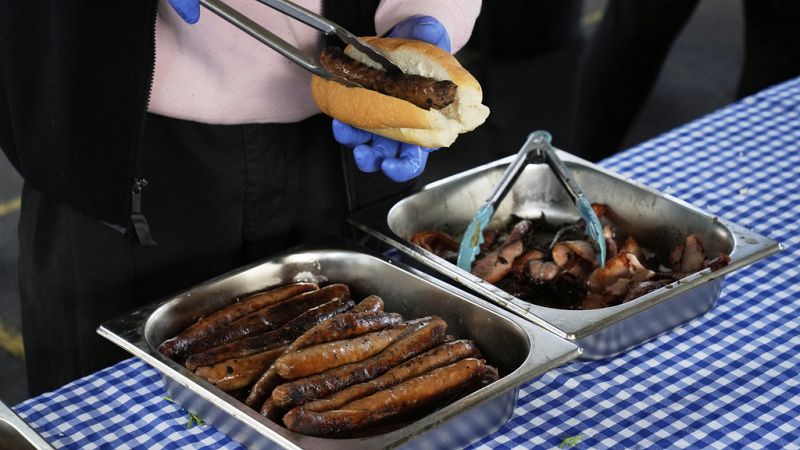
On Wednesday, the European Parliament made a decision that could have significant implications for the food industry. It ruled that names such as hamburger, sausage, escalope, or steak can only be used for meat products and not for plant-based alternatives. This decision was supported by French MEP Céline Imart (EPP), who emphasized the importance of transparency and clarity for consumers, as well as the recognition of the work done by livestock farmers.

Imart stated, “I accept that steak, cutlet or sausage are products from our livestock farms. Full stop. No laboratory substitutes, no plant-based products.” Her comments reflected the broader sentiment among some members of the Parliament who believe that using meat-related terms for plant-based products could mislead consumers.
Current Legislation and Proposed Changes
Currently, EU legislation allows plant-based products to use meat-related terms, provided the packaging clearly indicates that the product is made only from plants. However, the European Commission proposed changes in July, stating that “meat” refers exclusively to the edible parts of an animal, and “meat products” are those derived solely from meat.
This proposal introduced a list of 29 banned terms for vegetarian or vegan products, including beef, chicken, bacon, ribs, wings, and breast. The European Parliament had previously attempted similar reforms in 2020 during discussions on EU agricultural subsidies, but the proposal did not pass.
Consumer Perspectives and Arguments Against the Ban
One of the main arguments for banning these terms is the concern that they may confuse consumers, making it unclear what product they are actually purchasing. A 2020 survey by the European Consumer Organisation BEUC found that most consumers, around 70%, are not concerned about the naming of veggie “burgers” or “sausages” if the products are clearly identifiable as vegetarian or vegan.
Irina Popescu, food policy officer at BEUC, expressed disappointment with the EU Parliament’s decision, stating that policymakers should focus on making packaging clear and understandable with trustworthy labels.
During the heated debate, some MEPs criticized the decision, arguing that consumers are capable of understanding what they are buying. Austrian MEP Thomas Weitz (The Greens) said, “Some politicians here in the house think that we need to mistrust consumers’ intelligence — that they’re not able to see and read what they’re actually buying. If something’s called a vegan burger, then everybody knows it’s not going to contain meat.”
Legal Precedents and Industry Concerns
Four hundred organizations have signed an open letter calling for the withdrawal of the ban on 29 meat-related terms for plant-based products. The letter urges the EU to uphold legal precedents that safeguard transparent, consumer-friendly labelling and support innovation and sustainability.
The legal precedent referenced in the letter is a ruling by the European Court of Justice (ECJ) last year, which held that EU member states cannot prevent food manufacturers from using labels traditionally associated with meat on vegetarian foods, as long as the labels clearly describe what the products contain.
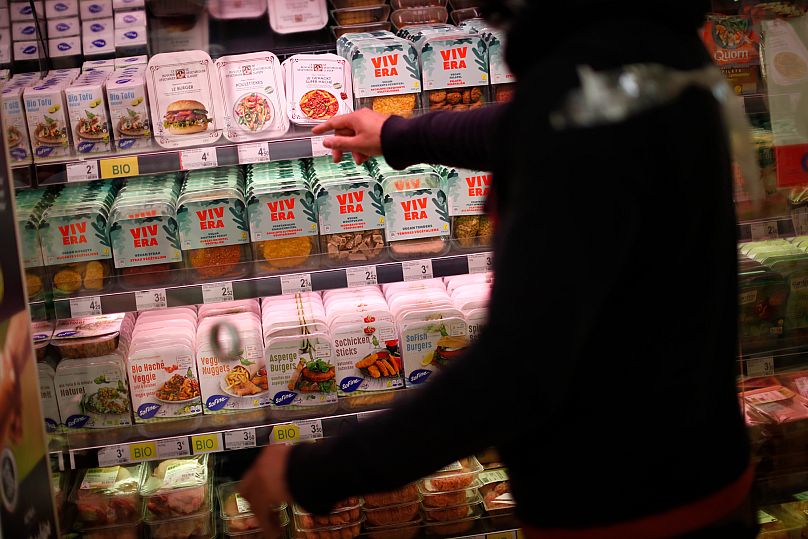
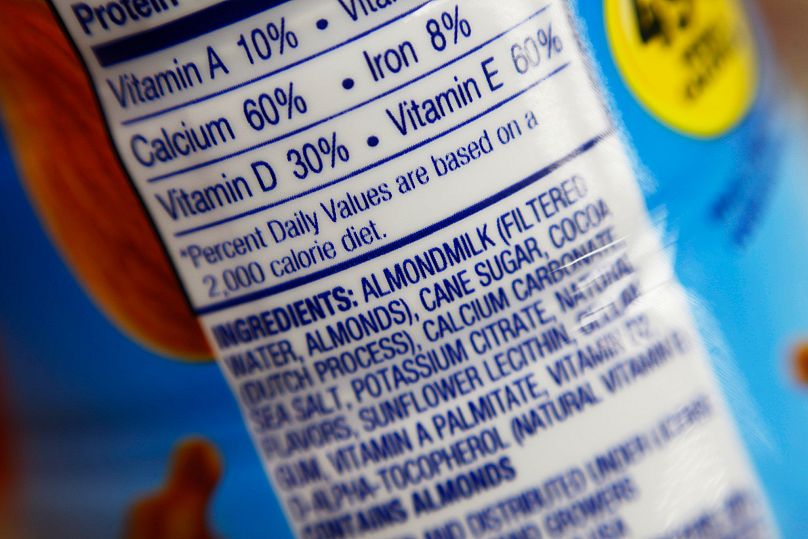
However, a comparable legal issue arose in 2017 when the EU’s top court addressed the use of dairy-related terms for plant-based products such as soy and oat drinks. In that case, the ECJ ruled that only products containing actual dairy could use terms such as milk, butter, or yoghurt, resulting in plant-based alternatives being labelled as “drinks” on European shelves.
Ongoing Negotiations and Domestic Debates
The Parliament’s text must still be negotiated by all member states in the European Council, where it is expected to face significant division. The issue is also being debated domestically in several countries, highlighting the complexity of the matter.
As the EU continues to grapple with the labeling of plant-based foods, the balance between protecting traditional food terminology and allowing innovation remains a key challenge. The outcome of these negotiations will have far-reaching implications for both consumers and the food industry.