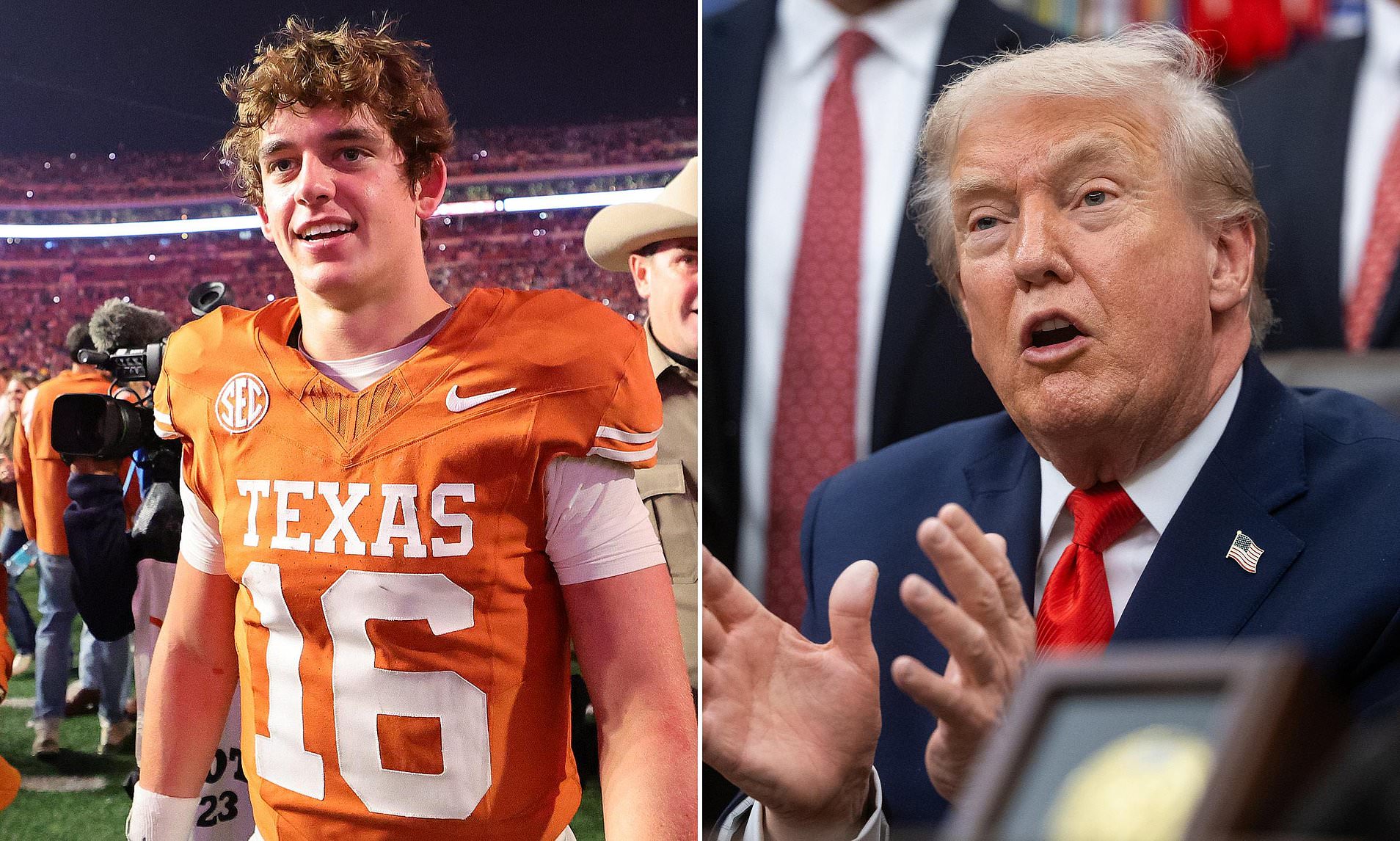

Trump Slams College Sports NIL System as “Disaster,” Calls for Federal Intervention
The landscape of collegiate athletics is undergoing a dramatic transformation, largely driven by the advent of Name, Image, and Likeness (NIL) deals. Amidst this evolving environment, former President Donald Trump has voiced strong opinions, branding the current system a “disaster” and expressing a desire for significant change. His remarks come as legislative efforts to codify athlete compensation laws in Congress face ongoing delays.
During an event in the Oval Office, where he was joined by athletes, Trump articulated his concerns. “I think that it’s a disaster for college sports,” he stated. “I think it’s a disaster for the Olympics because we’re losing a lot of teams. The colleges are cutting a lot of their, they would call them the lesser sports, and they’re losing them at numbers nobody can believe.”

Trump elaborated on the impact of NIL on a broader spectrum of collegiate sports, suggesting that the focus on revenue-generating sports like football is leading to the demise of others. “Those sports don’t exist because they’re putting all their money into football. And by the way, they’re putting too much money into football because colleges don’t make, even the most successful universities, don’t make that much money.”
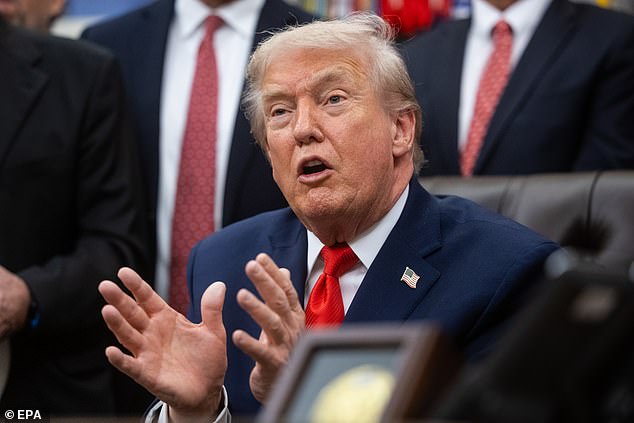
The former President’s criticism extends beyond just the financial implications for universities. He believes the current NIL framework is detrimental to the athletes themselves and the overall integrity of sports. “I think the NIL is a disaster for sports. It’s horrible for the Olympics, and I think it’s actually horrible for the players. And you’re losing all of these great sports. They’re not college football.”
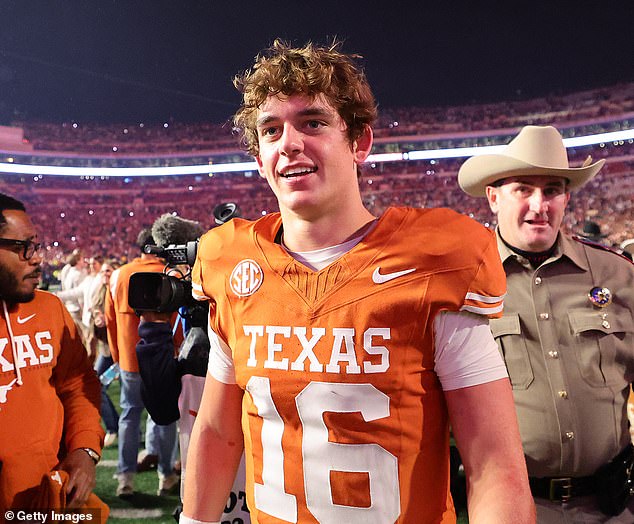
The ripple effects of this financial shift are not confined to niche sports; even popular programs are feeling the strain. “Even basketball is being affected. Basketball is second, but even basketball is being affected,” Trump observed. He issued a stark warning about the potential consequences for institutions: “You’re going to have these colleges wipe themselves out, and something ought to be done, and I’m willing to put the federal government behind it.” He emphasized the urgency, stating, “But if it’s not done fast, you’re going to wipe out colleges. They’re going to get wiped out, including ones that do well in football… They won’t be able to stop… Colleges cannot afford to play this game, and it’s a very bad thing that’s happening.”
The Shifting Financial Landscape of College Sports
The current situation has been significantly influenced by judicial decisions earlier this year, notably the “House Settlement” in California. This ruling paved the way for colleges and universities to directly compensate athletes from their athletic revenue streams. In response, athletic departments have been intensifying their fundraising efforts to manage the increased financial demands.
A consequence of these financial pressures has been the unfortunate cutting of various “Olympic sports” programs by numerous institutions as a cost-saving measure. This trend is particularly concerning given the role American colleges and universities have historically played as training grounds for aspiring Olympians from around the globe. These institutions have provided a vital pathway for athletes to hone their skills and prepare for the quadrennial Olympic Games. Trump’s assertion is that the current system has prioritized profit over the broader development and sustainability of collegiate athletics.
Legislative Stalemate and Future Uncertainty
The proposed legislative solution to regulate NIL deals, the SCORE Act, has seen its progress repeatedly stalled in Congress throughout the year, leaving a void in federal oversight. This legislative inertia has fueled discussions and speculation about the future of college sports compensation.
The debate surrounding Trump’s involvement and potential reforms raises several critical questions:
- Impact on NIL Deals: Will the former President’s strong stance and potential federal intervention lead to a significant alteration or even the curtailment of lucrative NIL deals for college athletes?
- Seismic Shift in Compensation: Could Trump’s engagement signal a fundamental change in how student-athletes are compensated, moving beyond the current NIL model?
- NFL-Style Payrolls: Is the college sports world indeed on the verge of adopting an NFL-style payroll system, as suggested by Trump’s concerns about excessive spending?
- Rebalancing the Playing Field: Are high-earning athletes and prominent coaches like Nick Saban, alongside Trump’s proposed reforms, aiming to re-establish a more equitable balance within collegiate sports?
- Congressional Intervention: With the current legislative process faltering, is Congress the ultimate hope for resolving the complexities of the NIL system and safeguarding the interests of young athletes?
The ongoing dialogue highlights the profound challenges facing college sports as it navigates the complex financial realities and ethical considerations of athlete compensation in the NIL era. The path forward remains uncertain, with significant implications for athletes, institutions, and the future of collegiate athletics as a whole.