
Reform UK Councillor Safety Concerns Escalate Amidst Council Meeting Disruptions
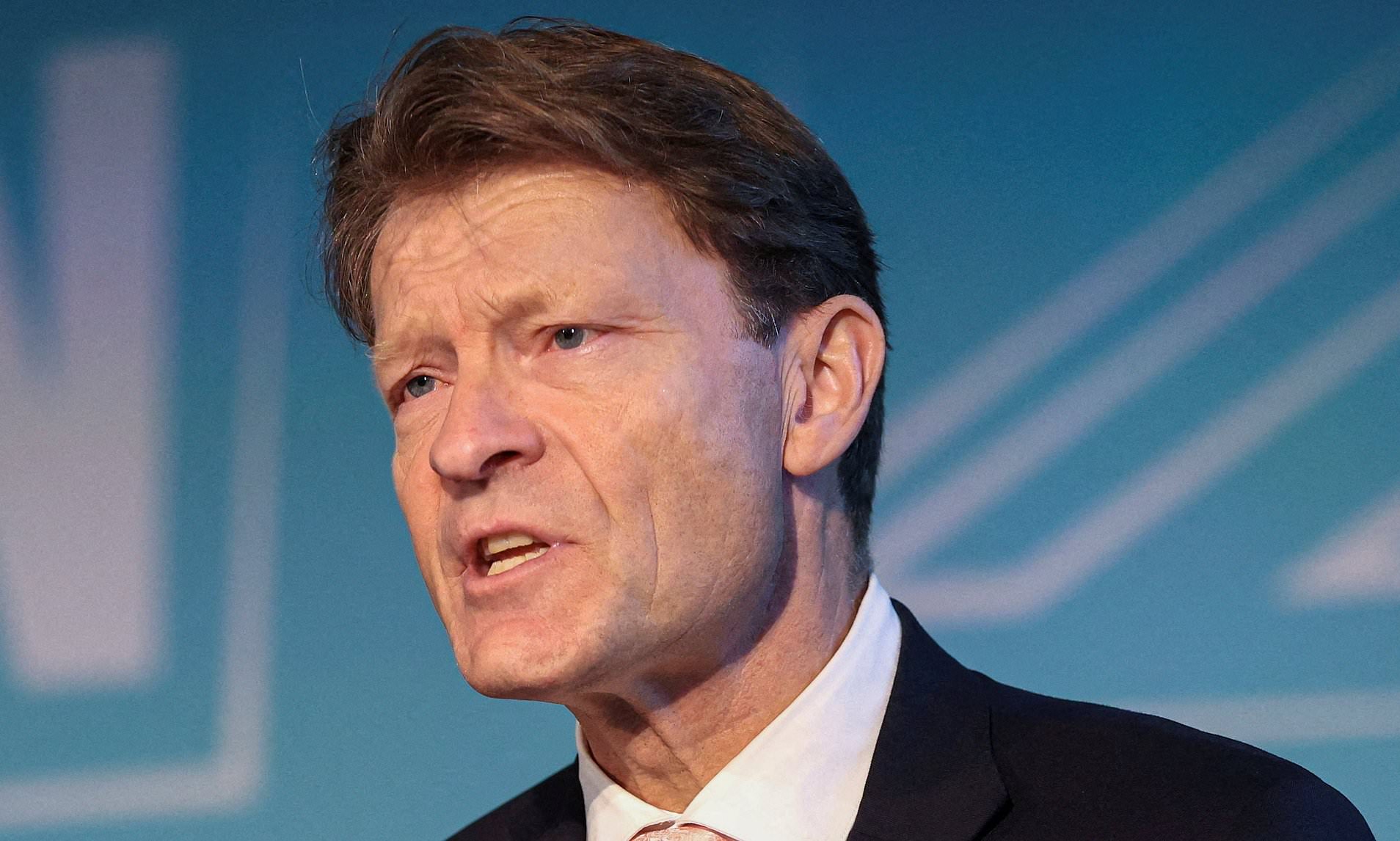
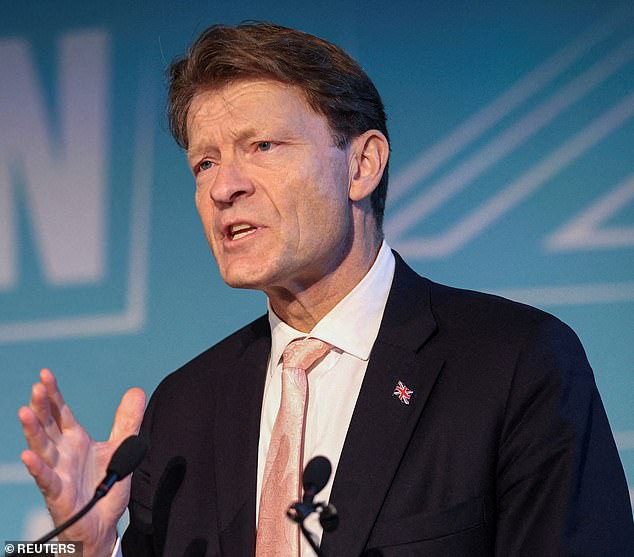
A stark warning has been issued regarding the safety of Reform UK councillors, with a senior party figure suggesting that the current climate at council meetings could lead to tragic violence. The deputy leader of Reform UK, Richard Tice, expressed grave concerns following a disruptive incident at a Staffordshire council meeting last Thursday, where he claims councillors were left “petrified.”
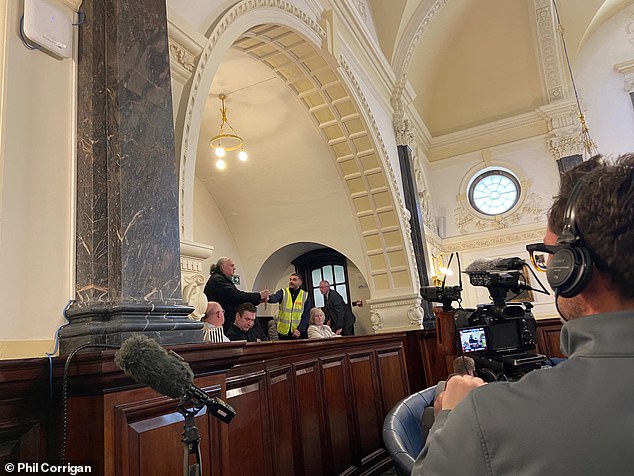
The alleged disturbance saw demonstrators barge into the meeting, with reports indicating that two Reform UK councillors were struck by signs. The protesters are understood to have entered the debate in response to accusations of racist social media posts allegedly made by party councillors.

According to attendees present at the Reform UK-led meeting, the arrival of the police was required to manage the situation, and it reportedly took officers over an hour to escort the protesters from the premises.
In the aftermath of the incident, Mr. Tice has called for the arrest of the demonstrators involved in striking councillors with placards. He also raised significant questions about the appropriateness of public attendance at council meetings, suggesting that until a more “respectful democracy” prevails, the public should be barred.
The MP for Boston and Skegness articulated the severity of the situation, telling The Telegraph, “The abuse is so enormous,” and issuing a chilling prediction: “A Reform councillor will be killed within the next 12 to 24 months.”
Resignations and Allegations Emerge
This heightened tension follows a recent resignation within the party. Ian Cooper, the Reform UK leader for Staffordshire Council, stepped down earlier this week after the party rescinded his membership following an investigation into alleged social media posts.
The party initiated its probe into Councillor Cooper after the activist group Hope Not Hate claimed to have discovered racist posts linked to him on the social media platform X. Among the alleged posts was one that reportedly stated, “no foreign national or first generation migrant” should be in Parliament, in apparent reference to David Lammy, who was then the Foreign Secretary.
Further accusations have surfaced, with Chris Large, a cabinet member for finance, reportedly accused of engaging with and authoring racist posts on Wednesday, as reported by the BBC. Mr. Large has categorically denied these claims.
The scrutiny of social media activity extends to other local councils. The Burton South parish council has reportedly requested that Reform UK member Peter Mason refrain from attending its meetings. This action comes after Mr. Mason faced backlash for his own social media activity, which included a post using a derogatory term for a black woman in relation to a statue. Mr. Mason has since issued apologies for posts made in 2023 and 2024.
A Climate of Fear and Disruption
The Reform Party’s deputy leader reiterated his belief that councillors from his party are being deliberately targeted, stating they are being “bullied and terrified.”
A spokesperson for the council confirmed that items were thrown from the public gallery during the meeting. Staffordshire Police reported that five individuals within the building, who were escorted out by officers, along with a group situated outside, were involved in the incident.
A Staffordshire county council spokesperson provided details of the disruption: “The full council meeting was temporarily suspended due to a disturbance in the public gallery. Councillors were asked to leave the chamber as items were thrown from the gallery. A small number of people were asked to leave the building by the police. The meeting resumed after lunch. We thank everyone for their cooperation.”

The ongoing situation raises serious questions about the conduct and safety within local government meetings, particularly as political parties face scrutiny over the online activities of their elected officials. The incidents underscore a growing concern for the well-being of councillors and the overall decorum expected in democratic proceedings.