
Three years ago, Thanh Truc, a 33-year-old woman from southern Vinh Long province, returned to Vietnam after a stint working in Japan, armed with savings of VND200 million (approximately US$7,600). Today, however, she finds herself on the cusp of departure once more. “I simply don’t know what else to do here at home,” she expressed, her voice tinged with frustration. “I never anticipated facing such significant challenges.”
Before her initial departure for Japan in 2016, Truc worked as an assistant beautician in Vietnam, earning a modest VND5 million per month. The declining health of her parents placed an increasing financial burden on her, compelling her to secure a bank loan and apply for Japan’s Technical Intern Training Program.

Her application was successful, leading to her placement at a component manufacturing factory in Aichi, Japan. Through diligent overtime and the advantage of a strong yen, Truc’s monthly earnings ranged between 150,000 and 160,000 yen (equivalent to US$954–1,017). After covering her essential living expenses, she channeled the majority of her income back home, managing to clear her outstanding debts within a mere six months. Upon the conclusion of her contract in late 2019, she returned to Vietnam with a sense of optimism, confident that her accumulated savings would enable her to renovate her family home and finally open her own beauty salon.
The reality, however, proved to be a stark contrast. For months, Truc encountered considerable difficulty in securing employment. Her cosmetology skills, honed before her departure, had become largely outdated during her time engaged in factory work. The industry had evolved significantly, with advancements in techniques, tools, and design standards. Acquiring the necessary refresher courses proved to be an unexpected expense, and employers often showed a preference for younger candidates.
As her savings began to dwindle, Truc relocated to Ho Chi Minh City. She secured a position at a packaging factory owned by a Japanese company, hoping her Japanese language proficiency would provide her with a competitive edge. Despite working overtime, her monthly income plateaued at approximately VND11 million, a figure considerably lower than what she had earned abroad. “The work was physically demanding,” she recounted. “There were times I had to lift items exceeding 10 kilograms. It’s difficult not to feel disheartened when drawing comparisons between life here and life overseas.”
By the close of 2023, still unable to forge a sustainable career path within Vietnam, Truc resigned from her job and initiated the process of reapplying for a visa to return to Japan.
Truc’s experience is far from an isolated incident. A report published by the Japan International Cooperation Agency reveals a concerning statistic: only 26.7% of Vietnamese returnees manage to secure stable employment upon their return, even when they come back with substantial savings ranging from VND300 million to VND500 million.
Further underscoring the global nature of this challenge, a joint study conducted by the International Labour Organization and the International Organization for Migration found that nearly 44% of returning migrants worldwide encounter difficulties in finding suitable jobs.
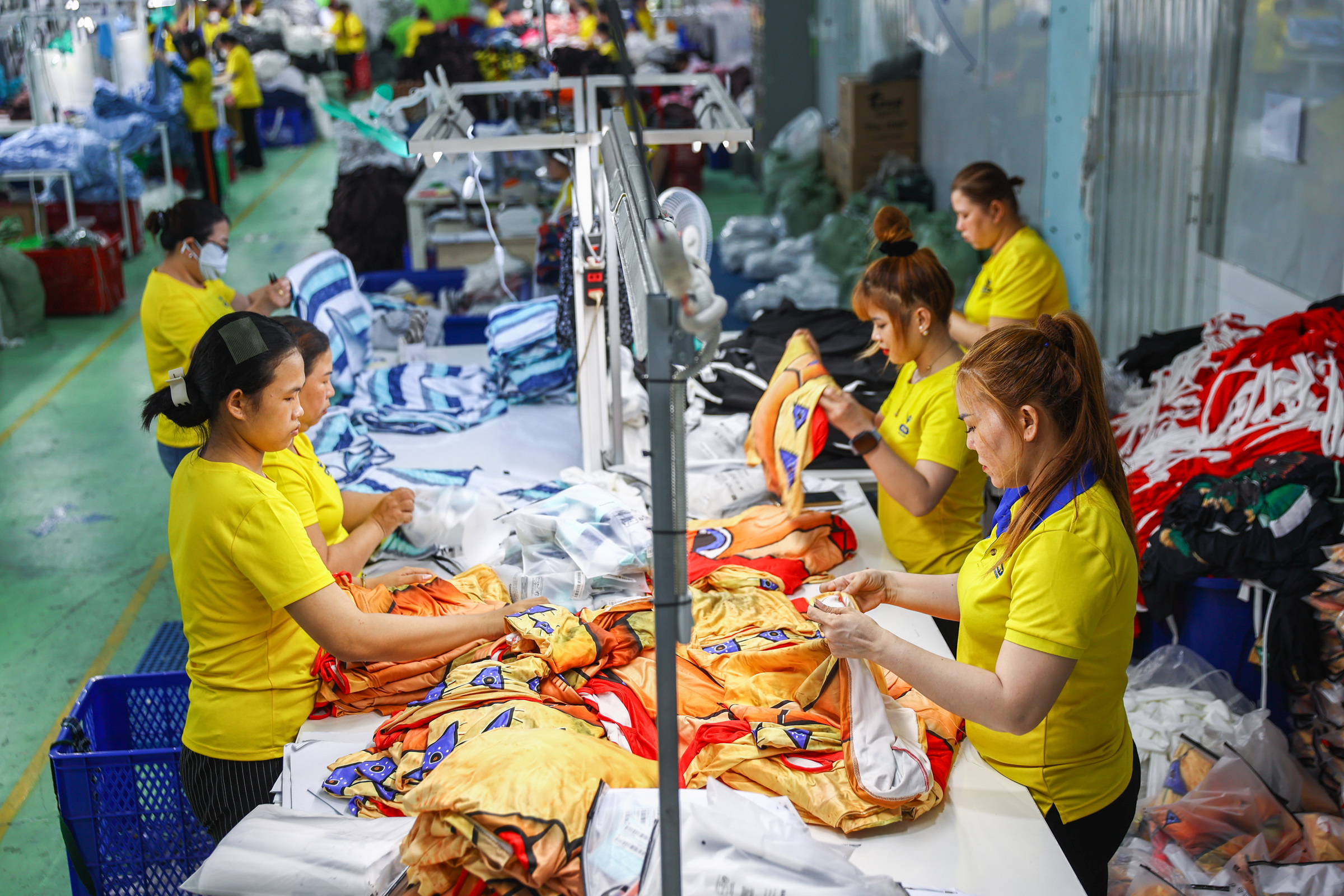
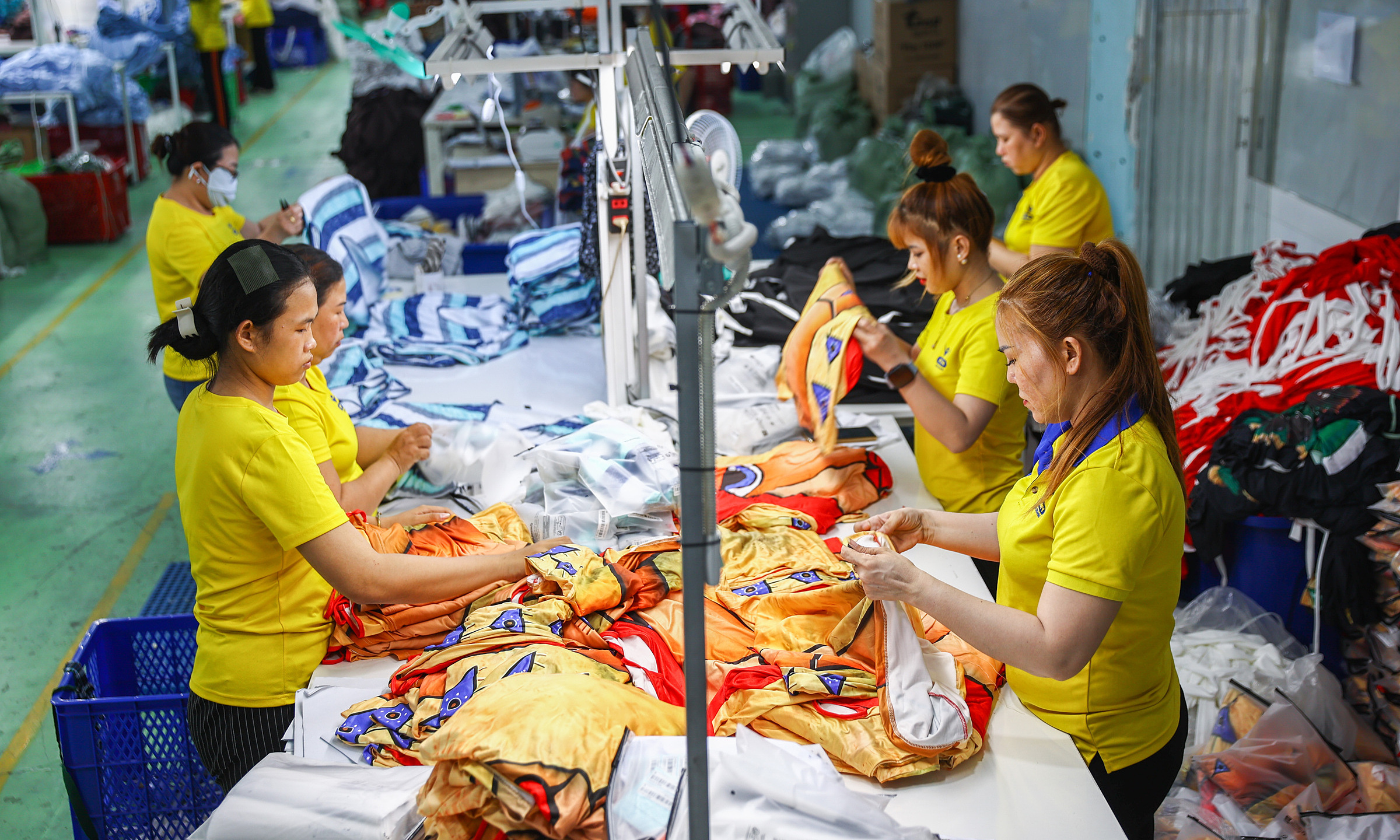
Assembly line workers at Dony Garment Vietnam, HCMC, August 2025. Photo by VnExpress/ Quynh Tran
Local surveys have consistently highlighted a significant vulnerability in the livelihoods of returnees, underscoring the urgent need for more robust reintegration support systems.
Le Hong Phuong, a specialist in labor migration, identifies three primary challenges that frequently confront Vietnamese workers returning from overseas.
Key Challenges for Returnees
The Income and Skills Gap:
Blue-collar workers in Vietnam typically earn between VND8–10 million per month. This figure represents roughly one-third of the income attainable in countries like Japan. Furthermore, the practical experience gained in overseas factories often does not readily translate into the white-collar or specialized skilled positions that many returnees aspire to secure upon their homecoming.Psychological Pressure:
Returning migrants often face immense societal expectations. There is a prevalent assumption that they have achieved significant financial success and should embody the image of having “made it” abroad. This perceived obligation can be particularly burdensome in rural areas where employment opportunities are scarce, amplifying the pressure to demonstrate success.Failed Entrepreneurship:
A common pitfall for returnees is the tendency to invest their hard-earned savings into small businesses or investment ventures without possessing adequate knowledge or a comprehensive business plan. This often leads to the swift collapse of these enterprises. Phuong recounted a poignant case where an individual invested over VND1 billion in an electric vehicle shop, only to witness its rapid failure. This devastating outcome forced the individual to return to Japan to pursue manual labor once again.
Another illustrative example is that of Phan Van Thanh, aged 30, and his wife. After dedicating six years to working in Japan, the couple returned to Vietnam in mid-2023 with VND400 million in savings, determined to establish their own enterprise. Finding the food and beauty sectors saturated with competition, they opted to invest VND100 million in wedding decoration equipment. “The deeper we delved into it, the more overwhelmed we became,” Thanh admitted. “There was absolutely no profit to be made.” To mitigate their losses, Thanh began working as a driver for ride-hailing applications. With their savings nearly depleted, the couple contemplated a return to Japan. It was only after a full year that their wedding decoration business began to show signs of stabilization, though Thanh candidly stated, “Still, compared to my life abroad, things are significantly tougher here.”
Phuong offers practical advice to migrant workers, emphasizing the importance of long-term career planning, ideally spanning five to 10 years into the future. She also strongly recommends acquiring skills and certifications that hold tangible value and demand within Vietnam before embarking on their return journey. Furthermore, she underscores the responsibility of employers and labor agencies to provide transparent information and comprehensive reintegration support services.
Without adequate preparation and support, a substantial number of returnees are compelled to start their professional lives anew from the ground up, resulting in a significant loss of both valuable time and accumulated capital. Consequently, an estimated 60–70% of Vietnamese workers ultimately decide to return to Japan to resume their overseas employment. “Thorough preparation, both mentally and professionally, can make the transition back home far less precarious,” Phuong concluded.