
Rising Child Malnutrition in Gaza
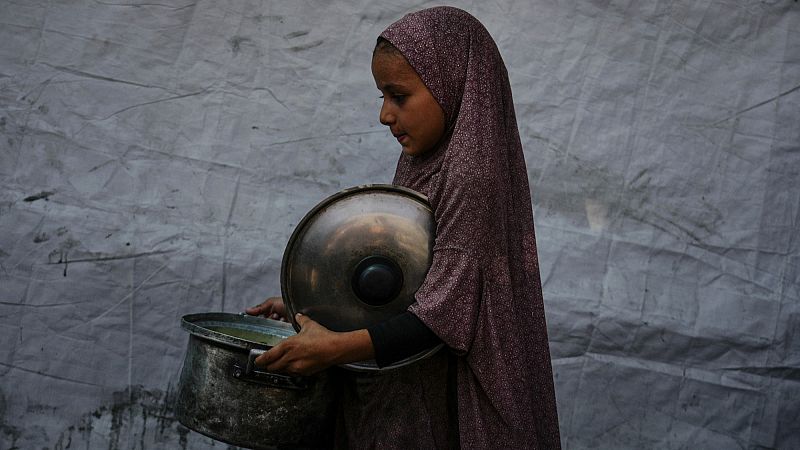
Tens of thousands of children in Gaza are suffering from acute malnutrition, according to recent findings from the United Nations agency for Palestinian refugees. The situation has worsened significantly during periods when Israel imposed strict restrictions on humanitarian aid in the Gaza Strip. These restrictions have had a devastating impact on the health and well-being of children in the region.
Between January 2024 and August 2025, the study found that child malnutrition, a life-threatening condition requiring medical treatment, increased during these restricted periods. As of mid-August, researchers estimated that 54,600 children were acutely malnourished, with over 12,800 suffering from severe malnutrition. This puts their health and long-term development at serious risk.

Malnutrition is more than just hunger; it affects the body’s basic functions, making it harder to move, think, and fight off infections. In severe cases, it can be fatal. Treatment typically involves taking special nutritional supplements over several weeks.
The study was published in The Lancet, a top medical journal, and funded by the UN Relief and Works Agency for Palestine Refugees in the Near East (UNRWA). However, UNRWA has been in conflict with Israeli authorities, who claim the agency has been infiltrated by Hamas, including participants in the 7 October 2023 attacks that left over 1,200 Israelis dead. According to the Gaza health ministry, more than 67,000 people in the Gaza Strip have been killed in Israel’s retaliatory offensive.
The Role of UNRWA
Despite the challenges, the European Union recognizes the crucial role of UNRWA in providing services such as education, health, and social protection for Palestinians in the region. The findings come as Gaza City faces famine, an official determination made in August, and amid fresh ceasefire talks between Israel and Hamas this week.
Without an end to the war, Dr Akihiro Seita, UNRWA health director and senior author of the study, warned that a further deterioration in early childhood nutrition and increased mortality are inevitable in the Gaza Strip.
Between January 2024 and mid-August 2025, UNRWA staff screened nearly 220,000 children under the age of five for malnutrition. Malnutrition is defined as a child being too thin for their height, signaling rapid weight loss and a lack of energy, protein, and nutrients. Using these screenings, researchers estimated how widespread acute malnutrition is among all 346,000 children under five in the Gaza Strip.
Trends in Malnutrition Rates
The study found that child malnutrition rose from 4.7 per cent in January 2024 to 14.3 per cent a year later. It fell to 5.5 per cent in March, coinciding with the end of a six-week ceasefire. However, an 11-week Israeli blockade from March to May further restricted Gazans’ access to food, medicines, and other supplies, according to the UN. Israel denied imposing restrictions on aid, stating its rules aimed to ensure supplies reached the people and not Hamas.
By mid-August, 15.8 per cent of Gaza’s children under five years old were malnourished, with 3.7 per cent severely malnourished. In Gaza City, 28.8 per cent of young children were malnourished.
Severely malnourished children have little chance of recovery, UNRWA warned, due to insufficient food assistance and a decimated health system. About 400 people in Gaza have died from malnutrition and related causes since January, including 101 children. More than 10,000 children have been diagnosed with acute malnutrition in the past two months, with about 2,400 at risk of starvation.
Dr Masako Horino, a nutrition epidemiologist at UNRWA and the study’s lead scientist, emphasized the life-threatening risks that Gaza’s children face from malnutrition. “Following two years of war and severe restrictions in humanitarian aid, tens of thousands of pre-school-aged children in the Gaza Strip are now suffering from preventable acute malnutrition and face an increased risk of mortality,” she said.