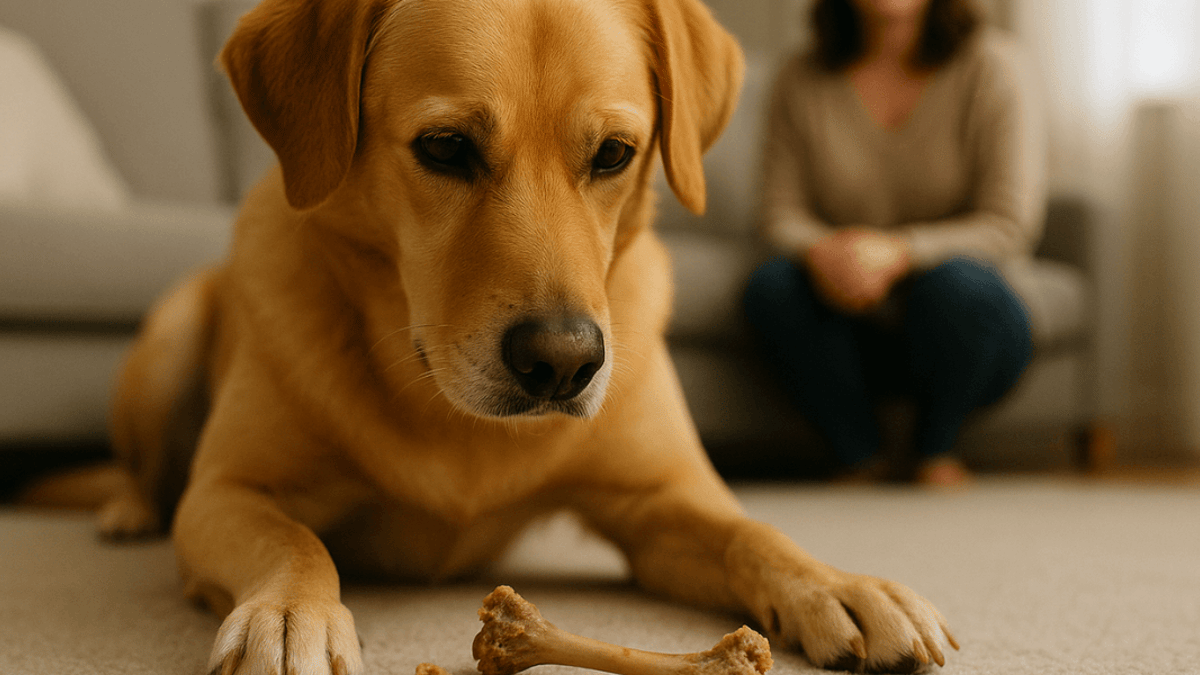

Understanding the Risks of Turkey Bones for Dogs
The festive season is a time for family gatherings, delicious meals, and shared moments. As you enjoy your holiday feast, your dog may be watching with hopeful eyes, eager for a taste of the food on the table. While it’s natural to want to share, not all foods are safe for your pet. One of the most important questions to consider is whether dogs can eat turkey bones.
The short answer is no—feeding turkey bones to dogs is not recommended due to the serious health risks involved. Whether cooked or raw, turkey bones can pose significant dangers that could lead to severe complications.

The Dangers of Turkey Bones
Turkey bones, especially when cooked, are fragile and prone to splintering. This makes them particularly dangerous for dogs. Once cooked, the bones become brittle and can break into sharp fragments. These fragments can cause choking, internal injuries, or even internal bleeding. Even if a dog manages to swallow the bone, it may lead to digestive blockages, which can require surgical intervention.
In addition to the risk of internal injuries, there is also the possibility of broken teeth. Chewing on hard or large pieces of bone can damage your dog’s teeth, leading to pain and potential dental issues.
Cooked vs. Raw Turkey Bones
Cooked turkey bones are considered the most hazardous option. The cooking process makes the bones more brittle, increasing the likelihood of splintering. These sharp fragments can cause serious harm to your dog’s mouth, throat, and digestive system.
Raw turkey bones may seem like a safer alternative because they are more flexible. However, they are not without risks. Even raw bones can break teeth or get lodged in the throat, leading to choking. While some people believe that raw bones are better for dogs, neither cooked nor raw bones are entirely safe.
Can Turkey Bones Kill Dogs?
Unfortunately, yes. In rare but serious cases, turkey bones can be fatal to dogs. If a splinter causes internal bleeding, or if a blockage prevents normal digestion, it can be life-threatening. Choking is another possible outcome, which can cut off the air supply and lead to suffocation. While such outcomes are not common, the risks are significant enough to warrant caution.
What to Do if Your Dog Eats Bones
If your dog manages to eat turkey bones, it’s essential to monitor for any signs of distress. Symptoms to watch for include:
- Coughing, gagging, or drooling
- Vomiting or diarrhea
- Constipation, straining, or blood in stools
- Loss of appetite
- Lethargy or a bloated stomach
These symptoms may indicate internal injuries or digestive blockages. If you notice any of these signs, it’s crucial to contact your veterinarian immediately.
Safe Alternatives to Turkey Bones
There are plenty of safer ways to let your dog join in the holiday celebrations. Instead of offering turkey bones, consider the following alternatives:
- Plain cooked turkey: Small portions without skin, bones, or seasoning.
- Commercial dog chews: Designed to satisfy chewing needs safely.
- Durable chew toys: Rubber or nylon products made specifically for dogs.
- Healthy snacks: Plain vegetables like carrots or green beans, even frozen for extra crunch.
By choosing these safer options, you can give your dog a tasty treat without exposing them to the risks associated with turkey bones.
Final Thoughts
While the idea of sharing a meal with your dog may be tempting, the dangers of turkey bones are too great to ignore. Cooked bones are particularly hazardous, and even raw bones carry risks. Safe alternatives are always the smarter choice. By being mindful of what you feed your dog, you can help ensure their health and keep the holiday season enjoyable for everyone.