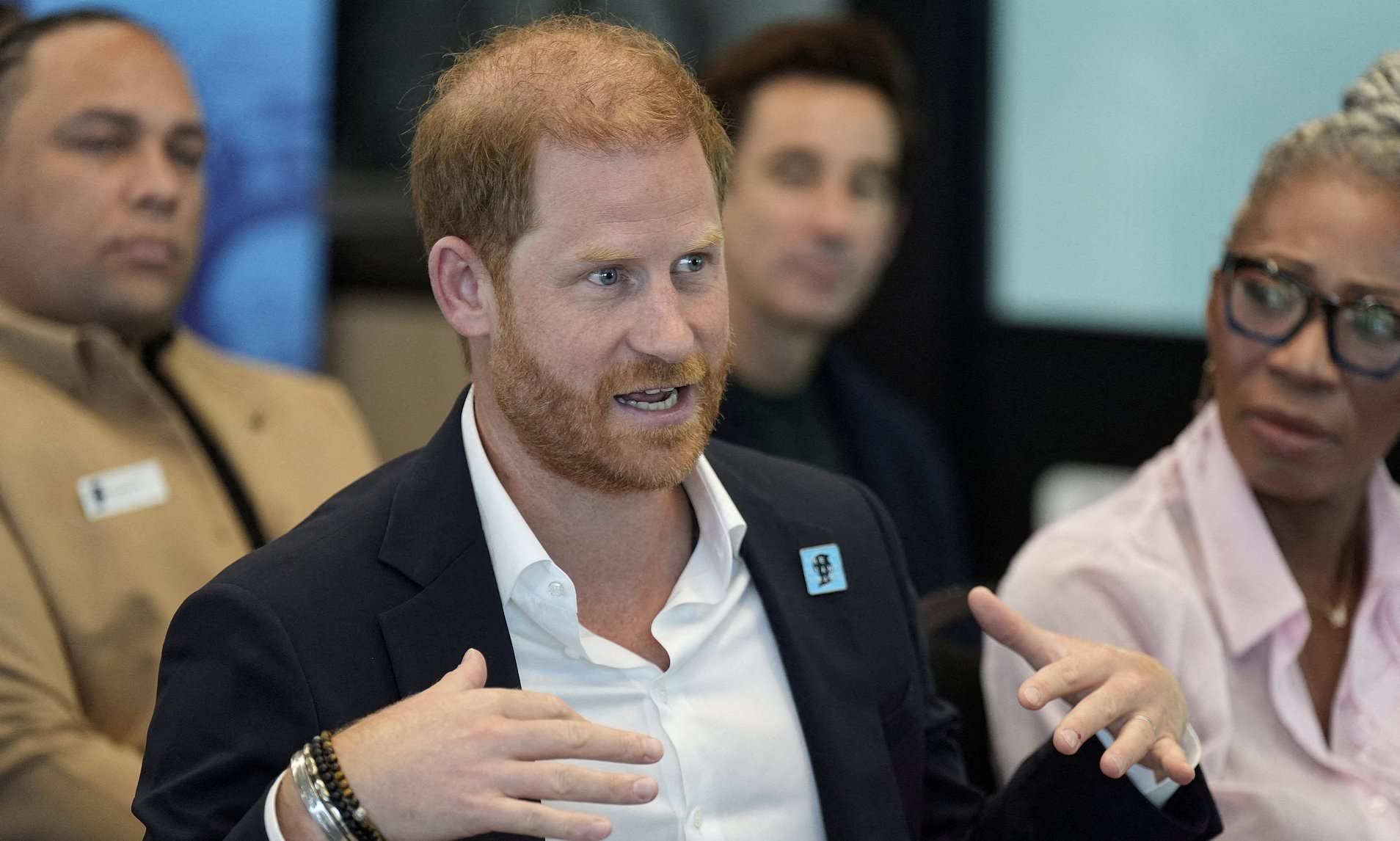

Prince Harry’s Security Struggles and the Impact on Royal Relations
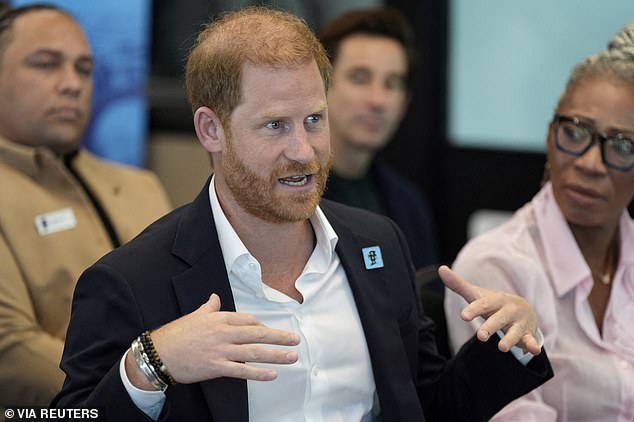
Prince Harry, the 41-year-old Duke of Sussex, has recently reignited a contentious debate with the UK government over his need for taxpayer-funded security. This renewed battle could potentially hinder any hopes of reconciliation with King Charles III.
On Friday, the Duke sought an increase in his security measures, but this new plea has reportedly complicated matters for the King, according to a royal source who spoke to The Times. Currently, Harry receives ‘bespoke’ protection on a case-by-case basis when he visits the UK. This arrangement came about after he lost his automatic 24/7 security following his decision to step back from royal life in 2020.

Harry has since submitted a formal request to the Executive Committee for the Protection of Royalty and Public Figures. Shortly after her appointment, he wrote to Shabana Mahmood, the Home Secretary. A royal source stated, “It’s not going to help matters. We’re back to where we were.”
In September, Harry met with his father for the first time in 19 months during a 50-minute tea at Clarence House. This meeting followed his pleas for reconciliation with his family after losing a legal battle with the government in May.
A royal source added, “The King cannot and will not lobby, that’s inappropriate. His representatives cannot advocate for policy outcomes, particularly in relation to his own family.” The royal household representative on the Royal and VIP executive committee (Ravec), overseen by the Home Office, is not there to advocate a position for a member of the royal family. They are purely there as a liaison to the household.
Despite moving to the US and stepping back from royal public engagements, Harry said the decision to revoke his security was “difficult to swallow.” Following the appeal, he expressed that he “can’t see a world in which I would be bringing my wife and children back to the UK.”
The 41-year-old urged Keir Starmer to intervene and warned that the royal family’s power over security means it “can be used to control” family members. He also said he would ask then-home secretary Yvette Cooper to “look at this very, very carefully.”
However, last week, a source close to the duke revealed that he had asked Ravec for a risk-assessment alongside the letter to Mahmood. Ravec, whose members include the Home Office, Metropolitan Police, and members of the royal household, oversees the level of protection given to the royal family and key public figures in the UK.
There have been several incidents that have raised concerns about Harry’s safety. A female stalker entered a ‘secure zone’ at the Royal Lancaster Hotel in west London when the prince was attending the WellChild Awards on September 9. She was reportedly found hiding in a hotel toilet “mumbling odd comments” about the Duke just 20 minutes before he arrived at a charity event. She was allegedly pictured next to his car after she was thrown out.
Just two days later, she was seen near the prince at the Centre for Blast Injury Studies. The woman is believed to have followed Harry around the globe, including during his three-day trip with the Duchess of Sussex to Nigeria in May 2024.
The prince’s letter, which was sent before the two incidents last month, highlights the ongoing challenges he faces regarding his safety and security.
Ongoing Legal Battles and Security Concerns
Harry’s situation raises several critical questions about the nature of royal security and the legal battles surrounding it. Why was Prince Harry forced to fund his own protection while facing fears over his family’s safety during a UK visit? What unravels inside Prince Harry’s ongoing security saga with London’s authorities?
Has Prince Harry architected his own security woes as he clashes with UK authorities over police protection rights? How is Prince Harry fighting for his security? Delve into his intense legal battle over stripped taxpayer-funded protection amid ongoing court drama.
What explosive details emerged about Prince Harry’s legal battle over his UK security arrangements? These questions continue to fuel public interest and concern, highlighting the complex relationship between the royal family and the government.