
Rishi Sunak Urges Immediate Action on Prostate Cancer Screening
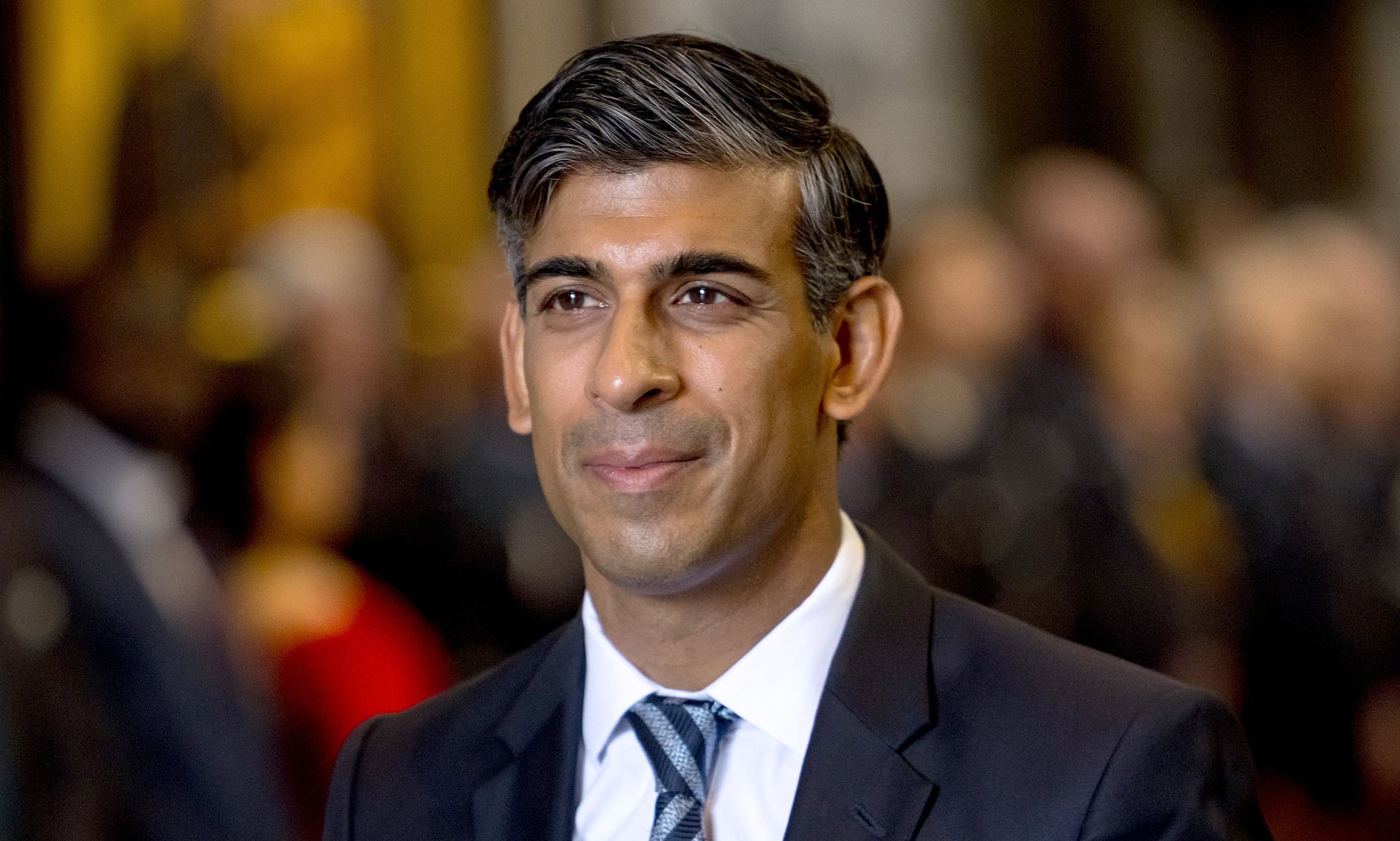
Rishi Sunak, the Prime Minister of the United Kingdom, has strongly urged the government to proceed with a national prostate cancer screening program. He emphasized that any delay in implementing such a program would result in loss of lives. This call comes amid reports suggesting that the UK National Screening Committee, which provides advice to the government, is considering rejecting proposals for routine NHS tests for men at higher risk of prostate cancer.
The tests are designed to detect early signs of this deadly disease. A source close to the committee told The Mail on Sunday that evidence suggests the screening program may not be cost-effective. However, Mr. Sunak has taken a rare step to intervene, stating, “The evidence is increasingly clear that a targeted screening program is deliverable and would save lives. Now is the time to implement a targeted screening program for the most common cancer among British men. Delay will undoubtedly cost lives.”

As of now, no final decision has been made, and the committee is scheduled to meet next month to discuss the proposals further. 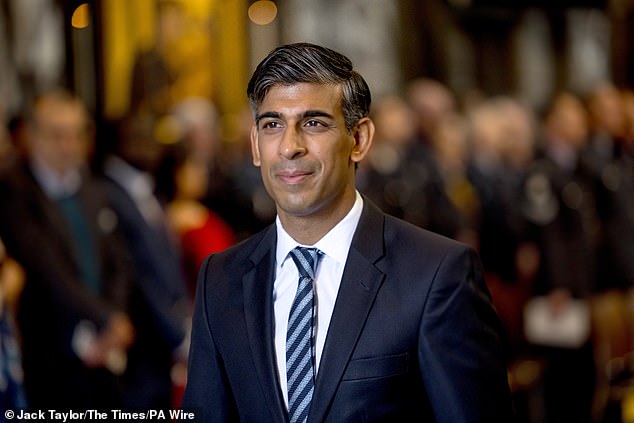
Support from Prominent Figures
The campaign led by The Mail to establish a national screening program has also received support from notable figures such as Olympic cyclist Sir Chris Hoy and actor Sir Stephen Fry, both of whom have undergone treatment for prostate cancer. Sir Stephen, who had surgery for aggressive prostate cancer in 2018, expressed concern over any potential decision to abandon the plans, calling it a “crushing blow.” He stated, “My prostate cancer diagnosis came totally out of the blue. It was aggressive, so I was very lucky to find it early enough to get it dealt with. However, you can’t leave cancer, or your life, to luck.”
He added, “We need a health system that gives men a fairer shot at a curable diagnosis.”
Reactions from Charities and Officials
Prostate Cancer UK, a leading charity in the field, described the news as a “deep disappointment.” Laura Kerby, the chief executive of the charity, said, “If these reports are true, it will come as a blow to the tens of thousands of men, loved ones and families who have fought for a screening program.”
A spokesperson for the Department of Health and Social Care stated, “This Government has been clear it would like to see screening in place, but the decision must be evidence-led. We know that a safe and effective screening program will save thousands of men’s lives.”
The Prevalence of Prostate Cancer
Prostate cancer is the most commonly diagnosed form of cancer in England, with preliminary figures showing 58,000 cases identified last year. Despite the high incidence, the debate over the implementation of a national screening program continues to spark discussions among medical professionals, politicians, and the public.
Ongoing Questions and Concerns
Several questions remain unanswered regarding the effectiveness and reliability of prostate-specific antigen (PSA) testing, which is often used in screening programs. Critics argue that while early detection is crucial, the potential for false positives and unnecessary treatments must be carefully considered.
As the UK government weighs its options, the voices of those affected by prostate cancer continue to push for change. With the support of high-profile advocates and ongoing research, the pressure on policymakers to act is mounting. The outcome of the upcoming meeting of the UK National Screening Committee could determine the future of prostate cancer screening in the country.
Will the government take decisive action to implement a national screening program? And if so, how will it address concerns about cost-effectiveness and accuracy? These questions remain at the forefront of the national conversation.