
The Impact of AMD’s Partnership with OpenAI on the Tech Industry
Recent developments have sent shockwaves through the tech industry, as a U.S. semiconductor company, AMD, has signed a contract to supply AI accelerators requiring a total power capacity of 6 gigawatts (GW) to OpenAI by 2029. This deal marks a significant shift in the global semiconductor landscape, as it follows a similar agreement between NVIDIA and OpenAI. However, the scale and implications of this new partnership are even more profound, signaling a growing influence of the semiconductor sector in shaping the future of artificial intelligence.
AMD’s stock price experienced a dramatic surge, climbing up to 37.67% during intraday trading after the announcement. Industry insiders were taken aback by this sharp increase, as AMD is not a small or speculative company. A source from the semiconductor industry remarked, “It’s surprising to see its stock rise over 30% in a single day. This reflects the broad impact of this deal on the tech industry.”

AMD: A New Player in the AI Chip Market
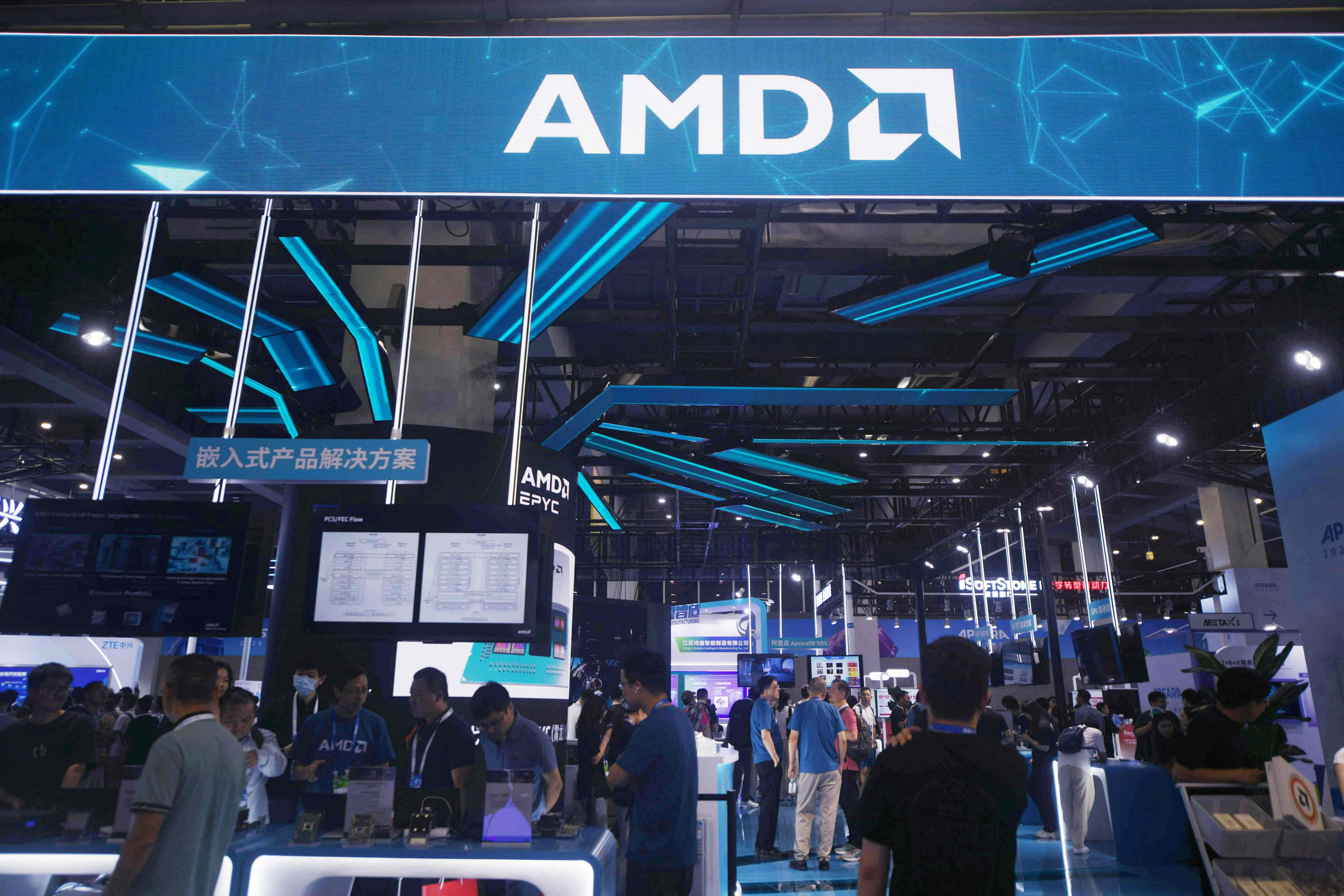
AMD is expected to see substantial sales growth through its partnership with OpenAI. While the monetary value of OpenAI’s investment in AMD was not disclosed, the deal was uniquely structured based on power capacity. AMD will supply AI accelerators needed to power a 6GW-scale data center, which is equivalent to the electricity consumption of 5 million U.S. households. This underscores the massive scale of the data centers that will be built using AMD chips.
AMD plans to start supplying OpenAI with its MI450 chip, set for release next year. The tech industry estimates that this multi-year deal could boost AMD’s revenue by up to $90 billion (approximately 128 trillion Korean won). Additionally, AMD has included an option for OpenAI to acquire up to 10% of its shares at $0.01 per share if certain conditions are met, indicating AMD’s intent to ride OpenAI’s growth trajectory.
The benefits for AMD extend beyond revenue. Currently, NVIDIA dominates the AI accelerator market with nearly 90% market share. Through this OpenAI deal, AMD aims to challenge NVIDIA’s monopoly and establish itself as a competitive player. Lisa Su, AMD’s CEO, stated, “This partnership will combine AMD and OpenAI’s strengths to create a true win-win, driving the world’s most ambitious AI infrastructure and advancing the entire AI ecosystem.” Mandeep Singh, a senior Bloomberg Intelligence analyst, added, “This could help AMD secure 15-20% market share in the $500 billion AI chip market.”

OpenAI: Diversifying Supply Chains and Leading AI Infrastructure Competition
OpenAI also gains significantly from the AMD deal. First, it diversifies its AI accelerator supply chain, which had been heavily reliant on NVIDIA. Last month, OpenAI secured $100 billion (approximately 140 trillion Korean won) in investment from NVIDIA to purchase GPUs and build data centers.
By signing a supply agreement with AMD, OpenAI signals its refusal to depend solely on NVIDIA, mitigating risks of over-reliance. The tech industry interprets this as OpenAI’s strategy to maintain its lead in the intensifying AI infrastructure race. Major tech firms like Elon Musk’s xAI, Google, Meta, and Oracle are currently constructing large-scale AI data centers, requiring massive AI accelerators. These companies have secured bulk supplies from NVIDIA and AMD in advance.
Samsung Electronics: HBM Business Could Finally Take Off Thanks to AMD
NVIDIA’s latest AI accelerators use SK Hynix’s HBM. Samsung Electronics’ HBM3E initially failed NVIDIA’s quality tests, leaving the company sidelined while SK Hynix’s sales soared. Samsung has since found a new partner in AMD.
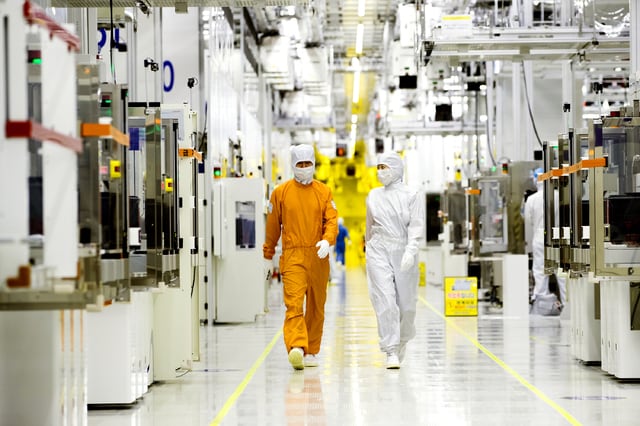
Samsung supplies all HBM3E 12-layer products for AMD’s AI accelerator MI350, forging a strategic collaboration. Just as NVIDIA and SK Hynix are tightly linked, AMD and Samsung’s relationship is now equally robust. While the HBM supplier for AMD’s upcoming MI450, to be delivered to OpenAI, has not been finalized, the tech industry expects Samsung to secure the contract. This could lead to a sudden surge in Samsung’s HBM sales. The deal between AMD and OpenAI is estimated to generate $15 billion in revenue for HBM suppliers.
NVIDIA: Clear Emergence of a Second Player Eases Antitrust Concerns
Paradoxically, the AMD-OpenAI deal also benefits NVIDIA. Tech regulators are increasingly scrutinizing monopolistic practices. CNBC noted, “Just as Intel needed AMD in the 1990s, NVIDIA may now need AMD.”
NVIDIA dominates the AI accelerator market with nearly 90% share, drawing regulatory attention. In June last year, the U.S. Ministry of Justice announced antitrust investigations into NVIDIA, Microsoft, OpenAI, and others. In September last year, Senator Elizabeth Warren urged the ministry to investigate NVIDIA, criticizing its “anticompetitive tactics that stifle innovation.”
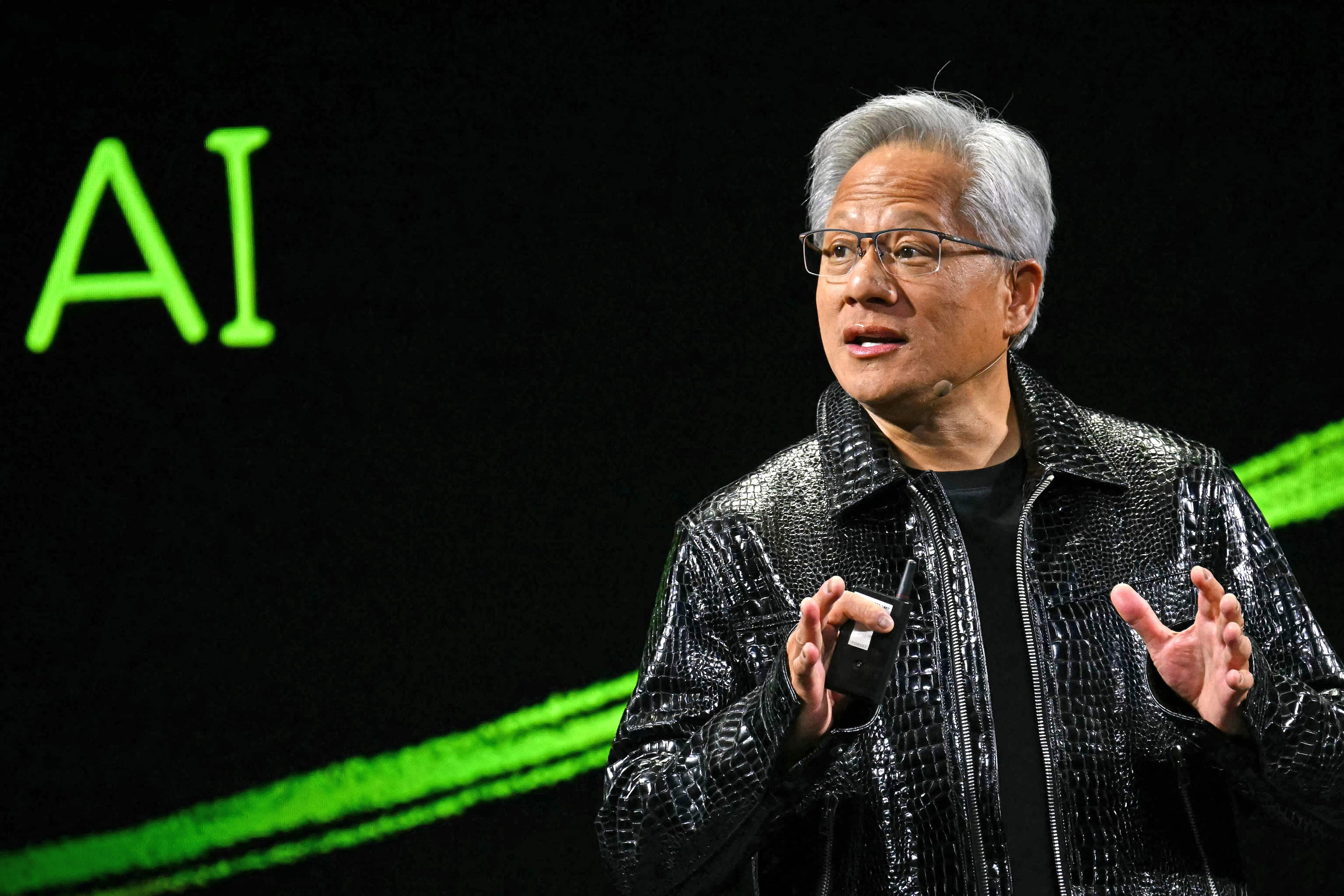
If AMD gains double-digit market share through the OpenAI deal, NVIDIA could distance itself from antitrust risks. Jensen Huang, NVIDIA’s CEO, commented on the AMD-OpenAI deal, “AMD chose a smart strategy. It’s surprising they offered equity before even launching their product. Still, it’s a brilliant idea.”
CNBC analyzed, “The AMD-OpenAI deal proves OpenAI’s contracts and investments with suppliers like NVIDIA are not monopolistic, helping avoid potential antitrust violations.” Ed Mills, a Raymond James policy analyst, added, “OpenAI’s bulk purchase of AMD products expands competition, potentially increasing the number of U.S. firms in the tech race.”