
Oxford Remains Top University Despite UK Challenges
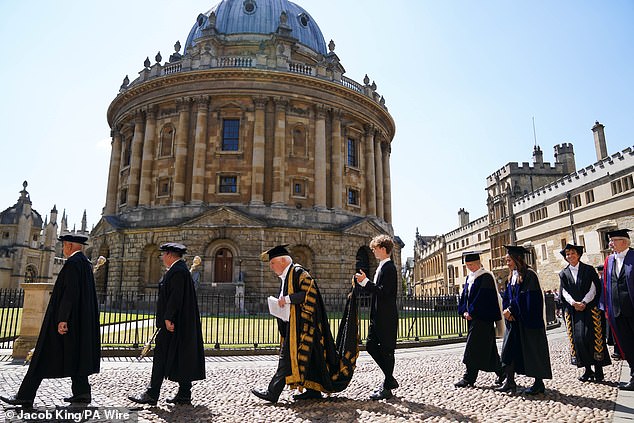
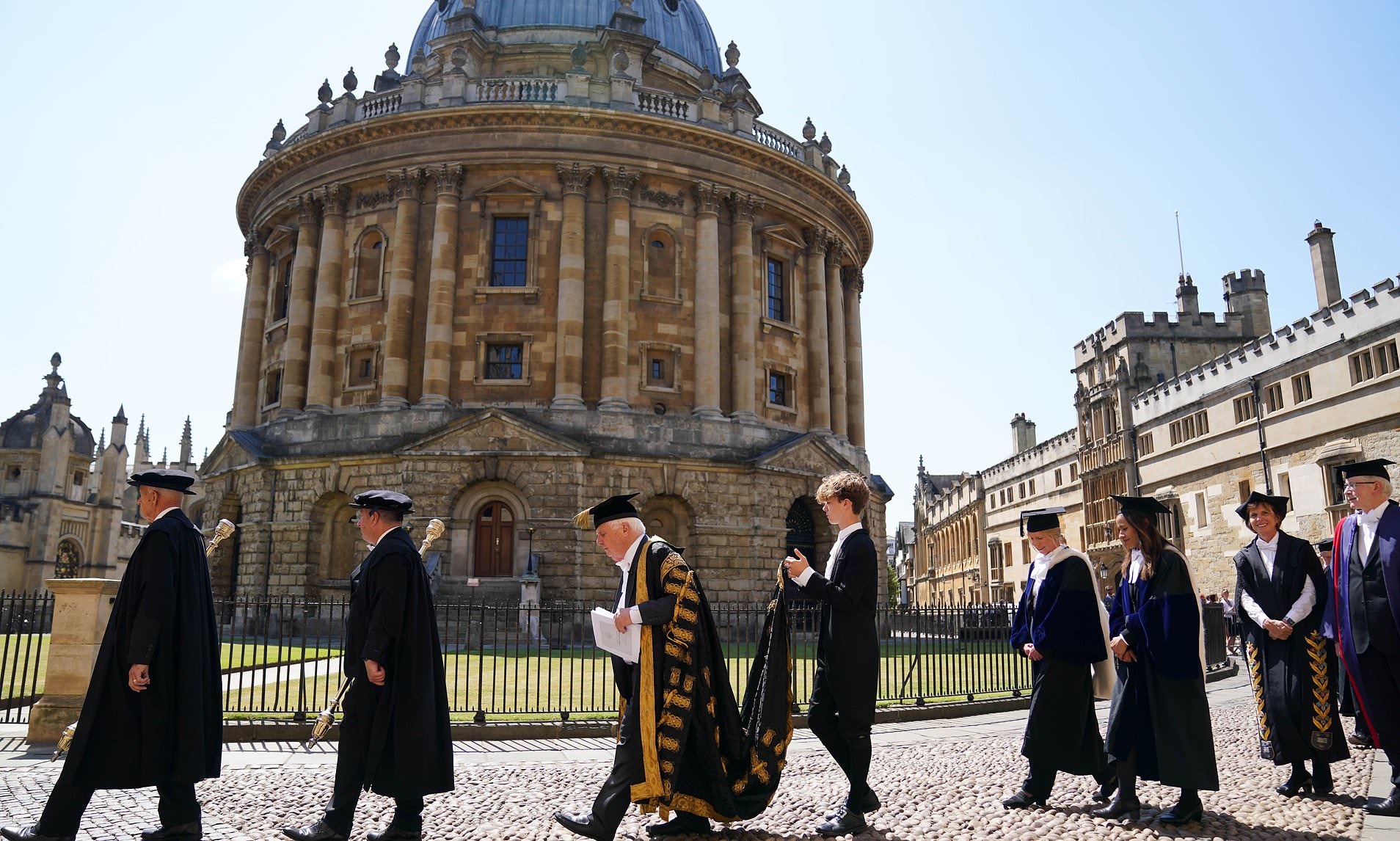
Oxford University has retained its position as the best university in the world, according to the latest rankings by Times Higher Education (THE). This achievement comes despite a significant decline in the overall performance of UK universities, which experts describe as a “clear warning sign of UK decline.” The rankings highlight a growing shift in the global landscape of higher education, with Eastern institutions gaining momentum and challenging the traditional dominance of Western universities.
The financial crisis facing the UK’s higher education sector is one of the main concerns. Rising operational costs and a drop in international student numbers—due to changes in visa regulations—have placed immense pressure on universities. This has led to calls for increased investment and support to ensure that UK universities can maintain their global competitiveness.

Professor Irene Tracey, Vice Chancellor of Oxford University, expressed her pride in the institution’s top ranking but also raised concerns about the challenges facing the sector. She emphasized the need for renewed investment to sustain the dynamic and globally competitive nature of UK higher education. “Universities play a crucial role in driving discovery, opportunity, and economic growth,” she said.
UK Universities in the Rankings
This year’s THE rankings feature 49 UK universities in the top 500, marking the first time since 2016 that the UK has not had over 50 institutions in the list. The UK now ranks joint fourth in terms of representation, falling behind the USA, India, and Japan. Out of the 28 UK universities that dropped in the rankings, only 13 managed to improve, while 64 remained at the same level.
Despite these challenges, some UK universities still perform well. Oxford continues to lead the rankings, maintaining its position as the top university for the 10th consecutive year. Cambridge rose to third place, and Imperial College London climbed to eighth. Other notable institutions include University College London (22nd), the University of Edinburgh (29th), and King’s College London (38th).
However, some universities faced significant setbacks. The London School of Economics (LSE) experienced its worst-ever performance, dropping from joint 50th to 52nd. Similarly, the University of Warwick had its worst year on record, slipping from 106th to 122nd.
Global Trends and Shifts
Experts suggest that the rankings reflect a broader shift in the balance of power within the global higher education system. Phil Baty, editor of THE, noted that the UK’s university sector is facing a “serious decline” as financial pressures lead to mass redundancies and course closures. He warned that the UK must act quickly to prevent further losses in the global rankings.
Meanwhile, East Asian countries, particularly China, are making significant strides. Chinese universities have climbed the rankings, with the National University of Singapore and the University of Tokyo also performing strongly. The rankings consider various factors, including teaching reputation, research impact, and institutional income.
The Future of UK Higher Education
While the UK’s universities remain world-leading, the current challenges require urgent attention. A spokesperson for Universities UK acknowledged the sector’s global standing but pointed out that other governments are investing more in their higher education systems. “With a long-term funding settlement, this slight downturn can be reversed,” they said.
For those interested in exploring the full rankings, the Times Higher Education World University Rankings 2026 provide detailed insights into the performance of institutions worldwide.