
The Proposed Mansion Tax: A Controversial Move in the Budget
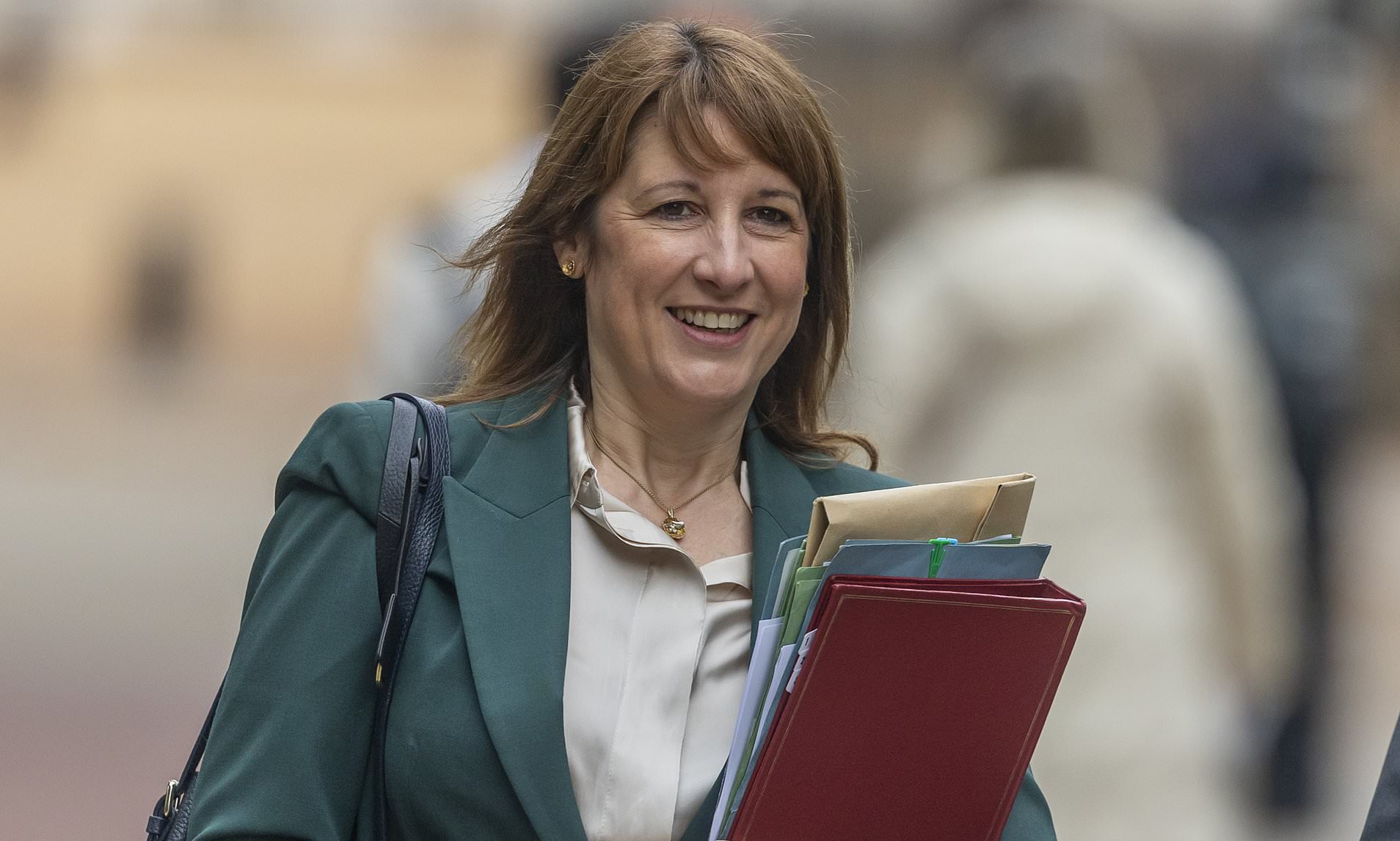
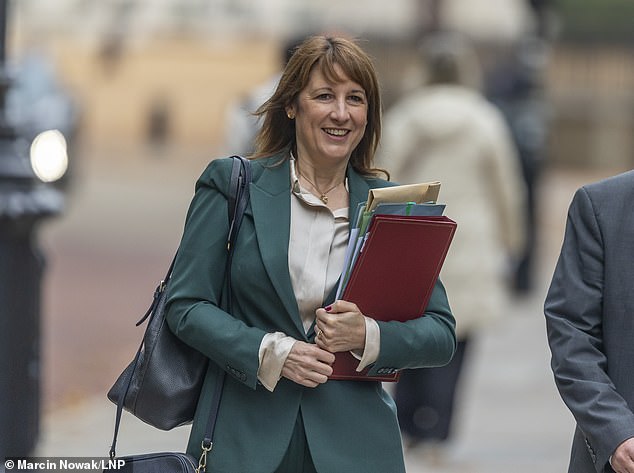
Chancellor Rachel Reeves is reportedly considering a new mansion tax that could significantly impact homeowners, particularly those with properties valued at £2 million and above. This proposal is part of a broader strategy to address a substantial £40 billion shortfall in public finances. Under the plan, property owners would be charged 1% of the amount by which their property exceeds the £2 million threshold. For instance, a homeowner with a £3 million property would face an annual charge of £10,000.
This proposed tax has sparked intense debate among property experts and political figures. Critics argue that it is a “blunt and crude instrument” that could distort the housing market and disproportionately affect older households. The opposition party, the Tories, has labeled the policy as class-based and counter-productive, suggesting it could harm hard-working individuals rather than the wealthy.

Soak-the-Rich Measures and Budget Preparations
The mansion tax is just one of several potential measures being considered as part of a larger strategy to tackle the financial deficit. These include possible hikes in income tax and reductions in pensioners’ tax-free allowances. The preparations for the upcoming Budget are being led by Treasury Minister Torsten Bell, who previously worked as Ed Miliband’s director of policy during the 2015 general election. At that time, the Labour Party included a mansion tax in its manifesto, proposing that those with homes worth between £2 million and £3 million would pay an additional £3,000 annually in taxes.
The current proposal echoes the Liberal Democrats’ policy from the 2010 general election and could generate between £2 billion and £3 billion for the Exchequer. However, the Shadow Chancellor, Mel Stride, has criticized the plan, stating that it contradicts promises made by Keir Starmer and Rachel Reeves not to raise taxes. He argues that such a tax would punish aspiration and hit hard-working people, calling it a form of class war.
Public Confidence and Economic Outlook
Recent polling highlights a growing concern among voters regarding the state of the economy. According to exclusive data shared with The Mail on Sunday, only 1% of voters believe the economy will fare “very well” over the next year, while 73% expect it to perform badly. In terms of economic leadership, Tory leader Kemi Badenoch and Mr. Stride are preferred over Sir Keir Starmer and Ms. Reeves by a margin of 28% to 25%. Additionally, nearly half of all voters, 45%, believe that Ms. Reeves should not break Labour’s manifesto promises on tax.
Challenges and Concerns
Introducing a mansion tax would require a complex and bureaucratic property revaluation process, as current council tax bands are based on property values from April 1991. The Mail on Sunday recently revealed that Ms. Reeves is also considering new council tax bands for higher-valued properties. Until last year, Mr. Bell was the chief executive of the Resolution Foundation think-tank, which proposed a comprehensive reform of property taxation in the UK. Their ideas included scrapping council tax and replacing it with a flat charge of 0.5% of a property’s value annually.
Lucian Cook, head of residential research at estate agent Savills, has raised concerns about the effectiveness of targeting homes worth more than £2 million. He argues that the tax may not accurately reflect net wealth, as there is a significant difference between someone in a £2 million house without a mortgage and someone with a sizeable mortgage. Additionally, he notes that valuing properties over £2 million can be challenging, as these homes are often unique and may lead to costly disputes.
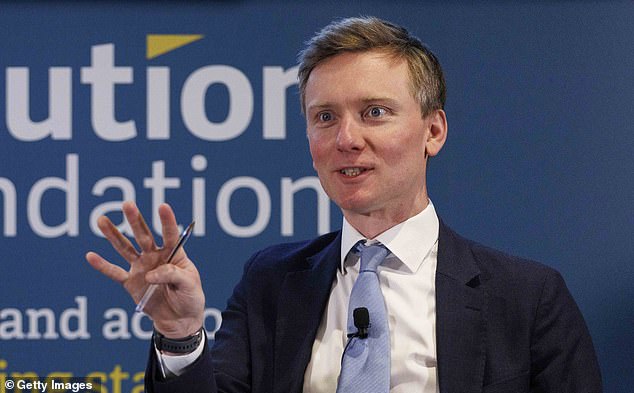
Neal Hudson, founder of housing market data firm Residential Analysts, suggests that the Treasury is likely viewing the mansion tax as a revenue-raising measure rather than a fair or efficient solution. He warns that the top end of the market has been stagnant due to higher stamp duty rates, and this tax could further depress transactions. Hudson predicts that many properties might be priced just below the £2 million threshold, leading to legal challenges and dissatisfaction among estate agents in Central London.
A Treasury spokesman stated that the Chancellor makes tax policy decisions at fiscal events and declined to comment on speculation around future changes to tax policy.