
Supermarkets Warn of Rising Prices Due to Tax Hikes
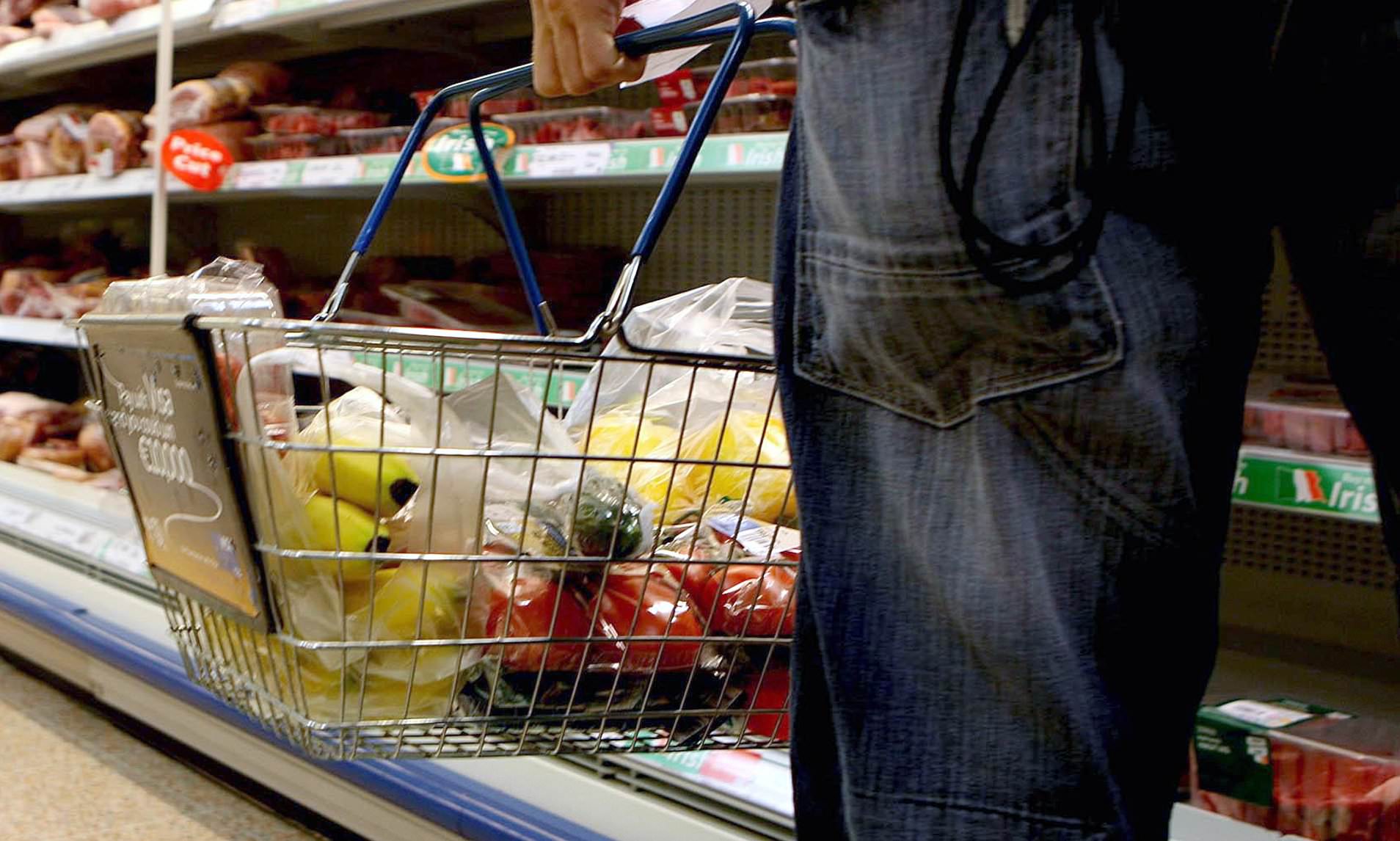
Britain’s leading supermarkets have raised concerns over the potential impact of proposed tax hikes on food prices. In a significant letter addressed to the Chancellor, nine major grocery retailers highlighted that rising cost pressures have already led to increased grocery prices over the past year and warned that this trend is expected to continue.
The letter, organized by the British Retail Consortium (BRC), was signed by executives from prominent supermarket chains including Asda, Tesco, Aldi, Iceland, Lidl, Marks and Spencer, Morrisons, Sainsbury’s, and Waitrose. They emphasized that these price increases are a direct consequence of ongoing financial challenges faced by the sector.

“Cost of living issues are affecting millions of ordinary people,” the letter stated. The grocers expressed concern that if higher taxes are introduced in the upcoming Budget, it would become increasingly difficult for them to offer competitive pricing, ultimately leading to higher costs for consumers.
The letter also pointed out that the industry is already grappling with rising costs, including those from previous Budgets. It warned that high food inflation is likely to persist well into 2026. The sector has experienced a significant increase in annual costs, amounting to £7 billion, driven by factors such as higher National Insurance contributions and an increase in the minimum wage following last year’s Budget.
Food and drink prices in the UK have been on the rise, contributing to overall inflation remaining at 3.8 per cent. This increase has partly been attributed to Labour’s National Insurance hike, which has prompted many businesses to raise prices to offset their growing expenses. Additionally, high energy and ingredient costs, along with a packaging tax, have further contributed to the upward pressure on prices, according to manufacturers.
Leading chief executives have stressed that they feel compelled to increase prices if the cost pressures on businesses continue. Earlier this month, Ken Murphy, CEO of Tesco, described the tax hikes as “an additional burden on the industry.” Similarly, Allan Leighton, chairman of Asda, called on the Chancellor to avoid “taxing everything.”
Despite some of the major supermarkets reporting substantial profits in recent years—Tesco, for example, expects to make between £2.9 billion and £3.1 billion this year—the letter insisted that the UK grocery market operates under highly competitive conditions with narrow profit margins. These margins are significantly lower than those seen in other industries.
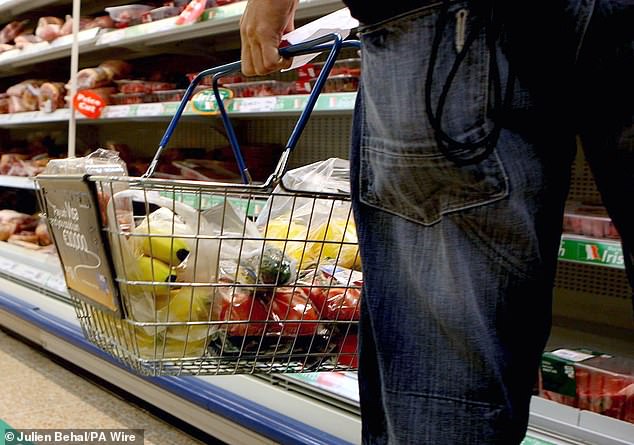
The letter serves as a warning to policymakers about the potential consequences of further tax increases on the retail sector. As the debate over the Budget continues, the concerns raised by the supermarkets highlight the delicate balance between fiscal policy and consumer affordability. With the cost of living crisis still affecting households across the country, the implications of these tax decisions could be far-reaching.