
Mixed Performance in Asian Markets Amid Global AI and Economic Uncertainty
Asian markets experienced a mixed performance on Thursday as investors navigated the complexities of the global AI-driven rally, Federal Reserve interest rate decisions, and ongoing concerns about the US government shutdown. The region’s financial landscape was further influenced by geopolitical developments, particularly the recent agreement between Israel and Hamas to initiate a ceasefire in Gaza.
The announcement of a potential ceasefire brought some relief to investors, easing fears of prolonged conflict in the Middle East. This development also contributed to a decline in oil prices, while gold prices dipped slightly after reaching an all-time high above US$4,000 per ounce the previous day. Despite these fluctuations, technology firms continued to dominate the market, with equity indices benefiting from substantial investments in AI-related sectors.

However, there is growing concern that the returns from these investments may not match the significant sums being poured into the sector. Analysts have warned that valuations could be inflated, leading to potential risks for investors. Neil Wilson from Saxo Markets stated, “AI is clearly a bubble,” emphasizing that the timing of a potential collapse remains uncertain.
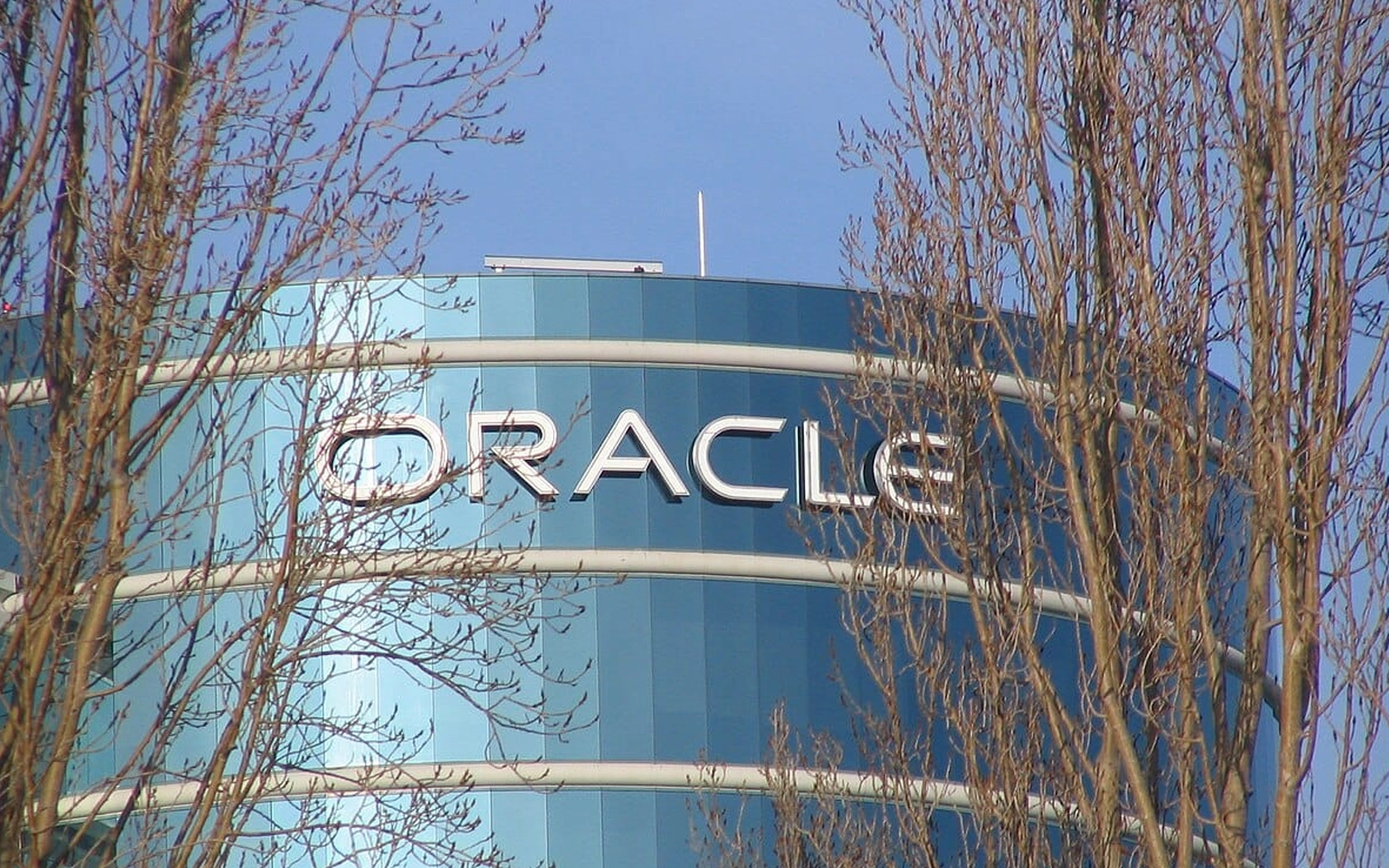
Oracle recently highlighted concerns about the profitability of its AI cloud business, revealing that margins are relatively slim. This report contributed to a drop in Wall Street indices, although the S&P 500 and Nasdaq managed to recover and close at new record highs. In Asia, markets showed resilience, with Tokyo rising over 1% due to optimism surrounding potential stimulus measures following the election of Sanae Takaichi as leader of Japan’s ruling party.
Shanghai saw gains as it reopened after a week-long holiday, while Sydney, Taipei, and Manila also recorded positive movements. Hong Kong, however, faced challenges, with Singapore, Wellington, and Jakarta also experiencing declines.
The ongoing US government shutdown continues to create uncertainty, with Republicans and Democrats failing to reach an agreement to reopen federal departments. The deadlock has persisted for two weeks, with Democrats repeatedly blocking Republican proposals to fund the government. Their stance is rooted in the refusal to support any funding bill that does not include an extension of expiring health care subsidies for millions of Americans.
Recent minutes from the Federal Reserve’s latest rate meeting revealed internal divisions among policymakers regarding future rate cuts. Some members expressed concerns about employment risks, advocating for more aggressive reductions, while others were cautious about potential inflationary pressures.
Geopolitical tensions eased further as news emerged of a peace plan proposed by Donald Trump. The plan involves Hamas releasing all hostages and Israel withdrawing its troops to an agreed-upon line. This development led to a slight decline in oil prices, which had been affected by supply concerns in the region.
Gold prices, which had surged to nearly US$4,060 an ounce the previous day, saw a modest decrease. Meanwhile, company news brought some excitement to the market, with Hong Kong-listed Hang Seng Bank experiencing a sharp rise of over 26% following reports that HSBC plans to take the bank private. The deal values the lender at US$37 billion, but HSBC itself fell more than 6% in response to the news.