
The Fight for Justice: Families of Infected Blood Scandal Victims Demand Tax Relief
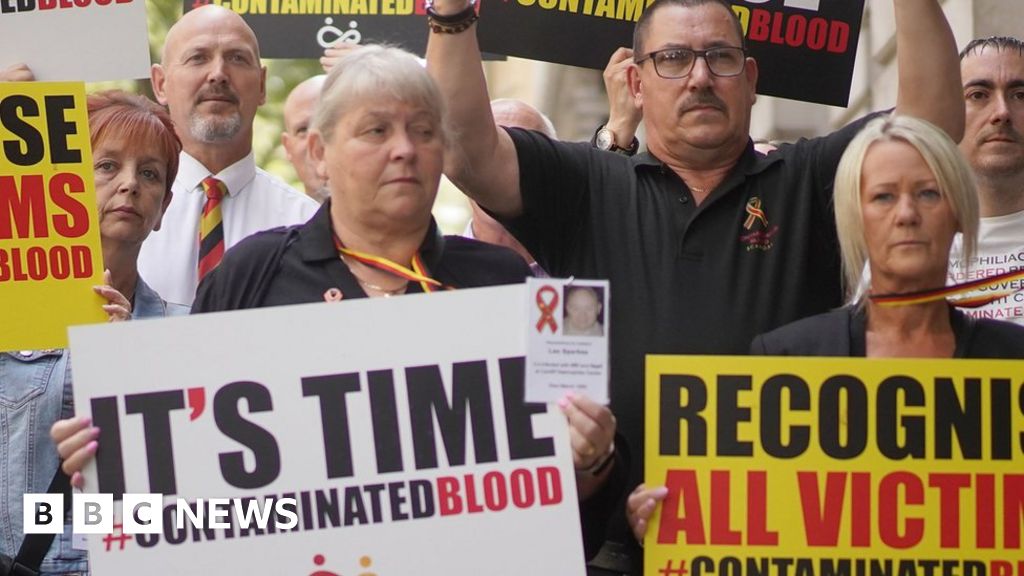
Families who lost loved ones due to the infected blood scandal in the UK have been fighting for years for justice. This tragic event, often referred to as “the worst treatment disaster in the history of the NHS,” involved over 30,000 people being infected with HIV and hepatitis C between the 1970s and early 1990s. More than 3,000 individuals have since died, while survivors continue to face lifelong health challenges.
After a long and arduous battle marked by public authority cover-ups, the government finally allocated £11.8 billion for victims and their families last year. Many are expected to receive compensation payments of up to £1 million. However, only £1.2 billion has been paid out so far in interim compensation, leaving many families in limbo.

A Potential Tax Crisis
The situation has taken a turn for the worse with the introduction of new inheritance tax rules by Chancellor Rachel Reeves. These rules could result in families losing up to 40% of their compensation if not addressed. This would be particularly devastating for elderly survivors and bereaved families who have already endured decades of pain and delay.
The compensation scheme was initially intended to be tax-free, but the prolonged legal battles and delays have left many victims without the financial support they desperately need. As a result, families may now face hefty inheritance tax charges, which could significantly reduce the amount they receive.
Calls for Immediate Action
Lawyers representing these families have written to Rachel Reeves, urging her to exempt compensation payments from inheritance tax in the upcoming budget. They argue that it is “completely morally wrong” for the government to penalize families for delays that were beyond their control.
Jade Gani from The Association of Lifetime Lawyers emphasized the injustice of the situation:
“Victims and their families have already endured decades of pain and delay; it is an outrage that a technical flaw will allow the Government to claw back up to 40 per cent of the compensation that was specifically intended to provide some redress. Families should not be further penalised due to delays outside their control.”
Government Response and Ongoing Concerns
The Treasury has confirmed that it is currently considering the issue and will make a decision at the budget on November 26. Meanwhile, MPs from all parties have criticized the government for its slow response to compensating victims of the infected blood scandal.
Sir Brian Langstaff, chairman of the infected blood inquiry, has called for “faster and fairer” compensation for victims. In July, the Infected Blood Inquiry made several recommendations to improve the compensation process. The government has accepted some of these recommendations and plans to consult on others.
Understanding Inheritance Tax
Inheritance tax is charged at 40% on the portion of a deceased person’s estate worth more than £325,000. Homeowners who leave their main property to their children or grandchildren benefit from an additional £175,000 allowance, allowing couples to usually leave behind £1 million tax-free.
However, the new rules could place many grieving families at risk of losing a significant portion of their compensation. This has raised concerns about the fairness of the tax system and its impact on those who have already suffered so much.
The Road Ahead
As applications for further interim payments open, the pressure on the government to act swiftly continues to mount. Families are calling for urgent action to ensure that their compensation is protected from unfair taxation.
The outcome of the upcoming budget will be crucial in determining whether these families can finally receive the justice and financial support they deserve. Until then, the fight for fair treatment and relief from the burden of inheritance tax remains a top priority for those affected by this tragic chapter in UK history.