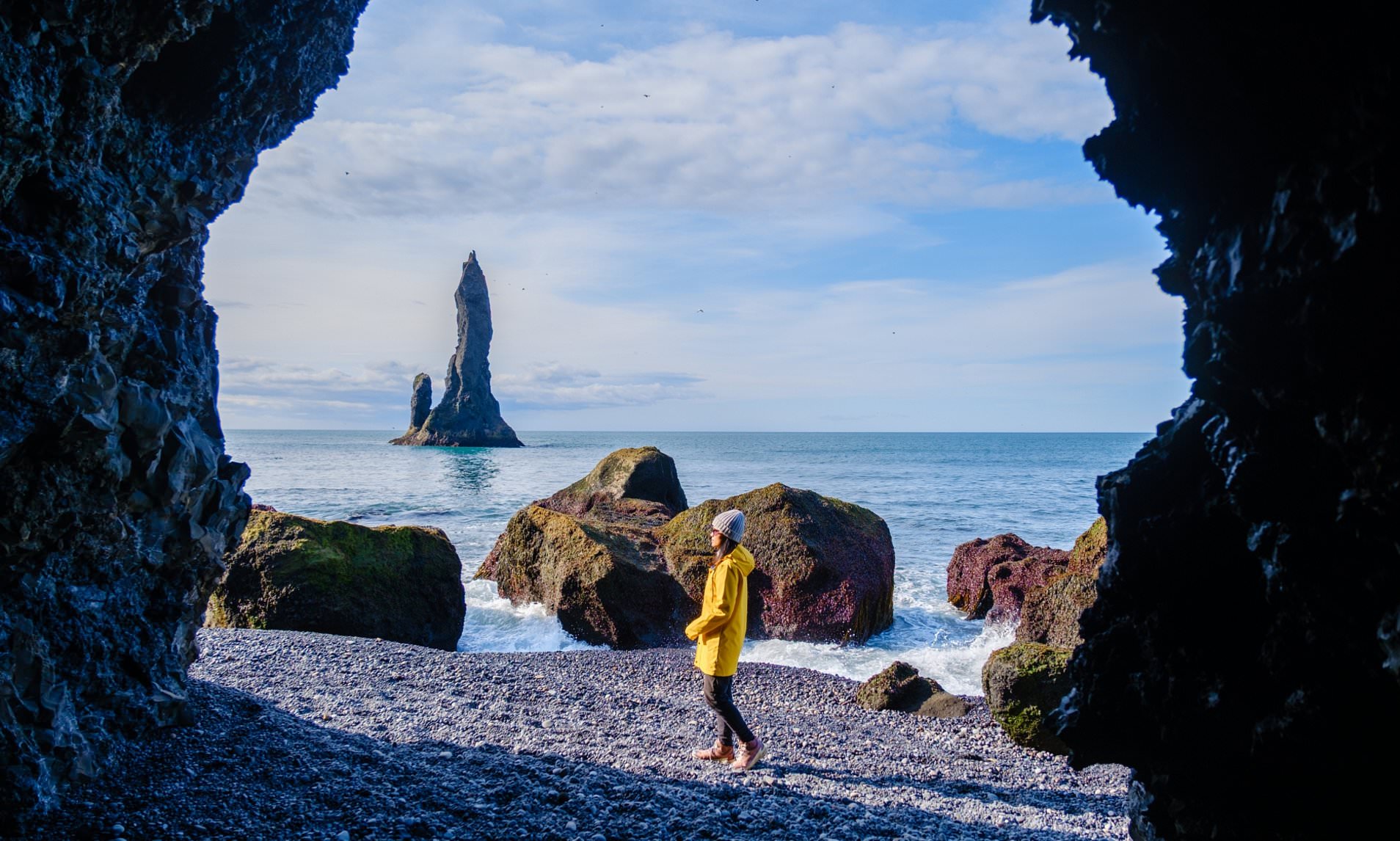

Iceland’s Tourism Challenges and Opportunities
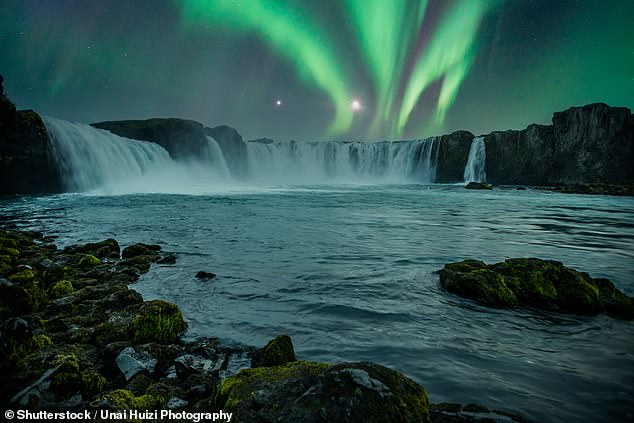
Iceland, known for its unique views of the Northern Lights, dramatic landscapes, black sand beaches, and geothermal spas, has long been a paradise for nature lovers. However, recent developments suggest that the country is facing challenges in maintaining its tourism appeal.
Play, an airline that once provided affordable travel options to the island, abruptly shut down at the end of September. This marked the second low-cost airline to collapse in Iceland within six years. The decline in tourism has raised concerns about the future of the industry, especially after a period of significant growth in the 2010s.

The surge in popularity during that decade was partly fueled by the eruption of the Eyjafjallajökull volcano and the global fascination with the TV series Game of Thrones. These events led to a massive increase in visitor numbers, from around 500,000 in 2010 to 2.2 million by 2018. However, in recent years, the number of tourists has been on a downward trend.
According to reports, international visitors have dropped by six percent in the last year. Visitor numbers in 2023 were still lower than pre-pandemic levels. One possible reason for this decline is the high cost of living in Iceland, which often ranks it among the world’s most expensive destinations.
The chief executive of Icelandair, the national carrier, mentioned that advance bookings for US flights are lower than expected for the second half of the year. This situation coincides with data indicating that Europeans are being discouraged from traveling to the United States due to strict border enforcement measures that have led to some tourists being detained.
In contrast, American travelers have shown more interest in visiting Greenland, the world’s largest island. United Airlines has launched a direct flight between New York City and Nuuk, Greenland’s capital, which takes just over four hours—approximately 90 minutes less than the trip to Iceland’s capital.
Despite these shifts, Iceland remains a popular choice for adventure seekers. Visitors can explore the Golden Circle, take scenic drives along the Ring Road, go glacier hiking, visit ice caves, or embark on whale-watching tours. The country’s diverse and breathtaking landscapes continue to attract those looking for an unforgettable experience.
Some experts believe that Iceland’s tourism numbers could rebound by 2026, with projections suggesting visitor numbers may reach up to 2.5 million. According to The New York Times, the country is using this lull in tourism to invest in infrastructure, aiming to handle future visitors more sustainably.
It seems that while Iceland has experienced a dip in tourism in recent years, there are signs that it could soon regain its status as a top destination for British travelers. As of October 12, Iceland is one of 29 countries implementing the new Entry/Exit System (EES) for visitors. This system, part of Europe’s biometric border checks, may require some travelers to demonstrate sufficient financial means upon entry into the Schengen area.
Each country sets its own rules regarding what qualifies as “sufficient” funds. For instance, if your finances are checked when entering Iceland, you will need to have €56 (£48.50) in your bank account.
Is Iceland Still a Top Travel Destination?
With its stunning natural beauty and unique experiences, Iceland continues to captivate travelers. But how does it stack up against other destinations? Here are some key questions to consider:
- Why is Reykjavik suddenly a top budget travel spot when it was once known for sky-high prices?
The city has seen a shift in pricing strategies, making it more accessible for budget-conscious travelers.
Could a detour through Iceland be the new budget-friendly travel hack for savvy explorers?
With its growing affordability and unique attractions, Iceland might become a popular stop for those seeking value.
Is Iceland the ultimate destination for travelers wanting to explore the Northern Lights and its stunning volcanic landscapes?
Absolutely. The country offers some of the most breathtaking natural wonders in the world.
Can Iceland’s impressive earnings outweigh its whopping cost of living, making it a top choice for Britain’s job seekers?
While the cost of living is high, the opportunities and quality of life in Iceland may make it appealing for certain professionals.
Is Iceland really the ultimate haven for your next getaway, reigning as the safest travel spot despite preconceptions?
- Yes, Iceland is known for its safety, making it an attractive option for travelers seeking a secure and beautiful destination.