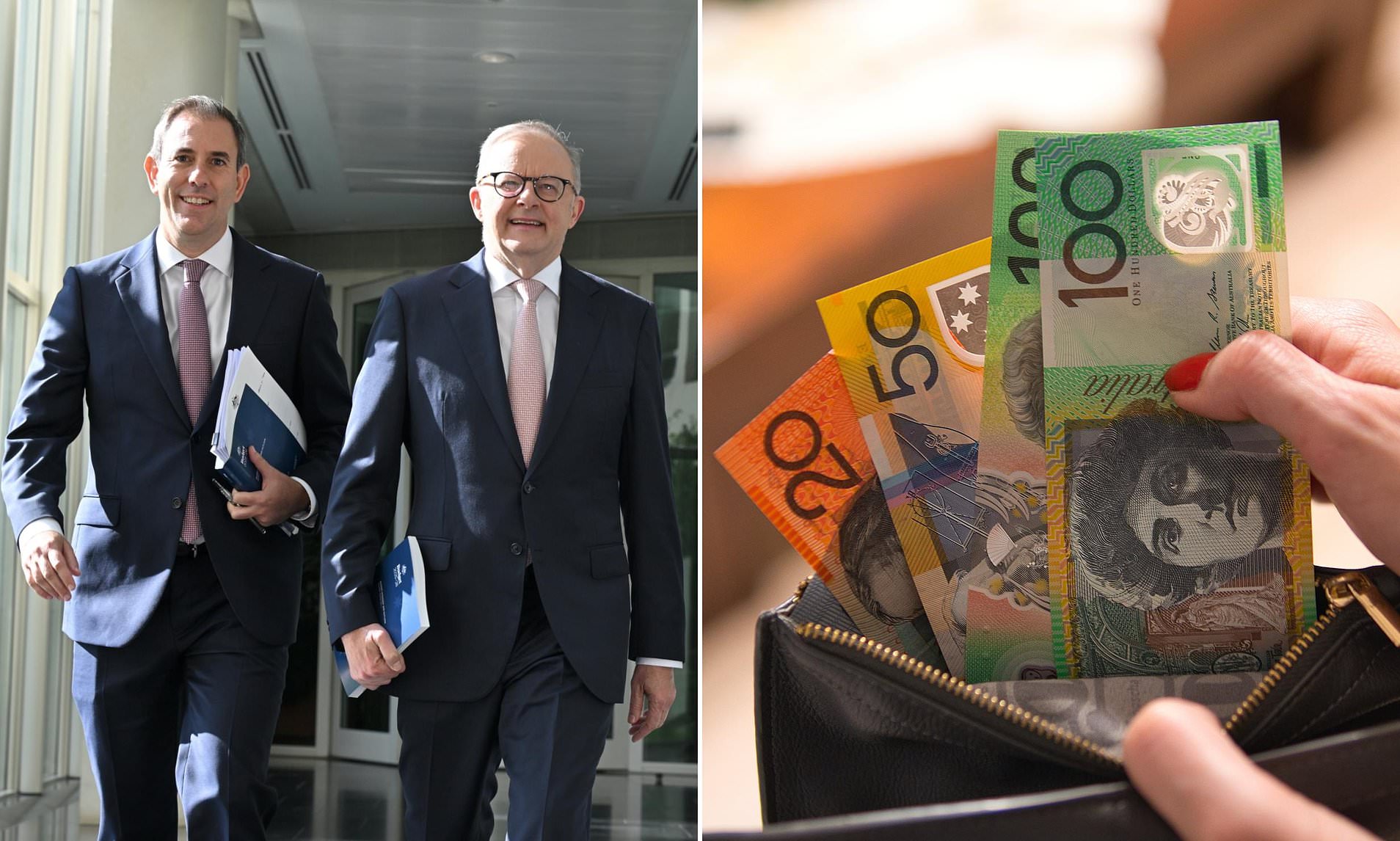

The Australian government faces a stark warning: without significant tax reforms, the nation could be facing persistent budget deficits. Economists are suggesting that the Albanese government needs to take decisive action to avoid spiralling national debt.
The recent Deloitte Budget Monitor report paints a concerning picture, indicating that Australia is on track for budget deficits “as far as the eye can see.” This follows a brief period of budget surpluses driven by unexpected company and personal tax revenue. The report suggests that without stricter spending and a major tax system overhaul, those surpluses will remain a thing of the past.

With the national debt projected to exceed $1 trillion soon and a decade of budget deficits looming, the pressure is on the government to address the situation.
According to Deloitte Access Economics partner Stephen Smith, the government’s major revenue-raising policy change – the proposed tax on unrealised gains on large superannuation balances – has been weakened. He also noted that rising inflation has eliminated hopes of an interest rate cut and pushed the cost of living back to the forefront of public concerns.
Deloitte has proposed five key tax reforms:
Indexing Personal Income Tax Thresholds: Currently, Australia’s income tax thresholds are fixed. This leads to “bracket creep,” where individuals are pushed into higher tax brackets due to wage increases related to inflation or career advancement, even if their real purchasing power hasn’t increased.
To address this, Deloitte suggests a $33,000 tax-free threshold, a 33% tax rate for income between $33,001 and $330,000, and a 45% rate for income above that. All thresholds would be indexed to inflation.
Mr. Smith believes this change could incentivize low-income workers on government benefits to seek more employment.
“These reforms would remove the disincentive to work that comes from having a tax-free threshold well below the point at which someone no longer qualifies for income support,” he stated.
Deloitte estimates this change could cost up to $54 billion per year after ten years, necessitating replacement revenue sources.
Broadening the Goods and Services Tax (GST): The report recommends increasing and broadening the GST to 15%, extending it to items currently exempt, such as food and education.
This measure is projected to generate an estimated $90 billion annually over the next decade.
To mitigate the impact on low-income households, the report also recommends increasing government support payments, resulting in net budget gains of approximately $58 billion.
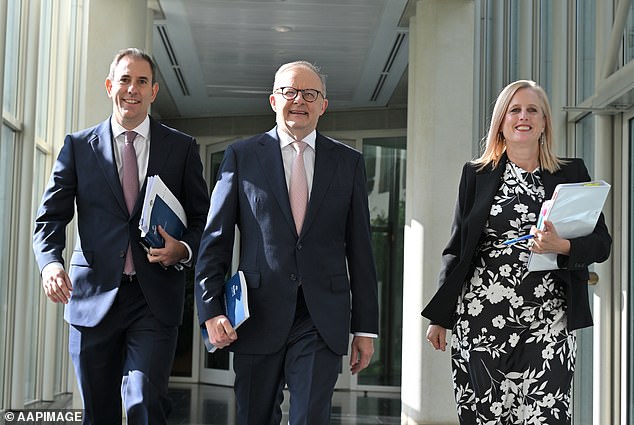

Introducing an Inheritance Tax: This is perhaps the most contentious proposal. Deloitte argues it would help level the playing field between generations.
“Broad-based taxes on wealth – such as an inheritance tax – are a way to repair the budget, help all Australians share in the asset price windfall that has flowed to older generations over the last 40 years, and help to prevent inequality from cascading through future generations,” the report states.
The report points out that inheritance taxes are common in other countries, including the United States, the United Kingdom, and much of Europe.
A 10% tax on inheritance, with a $100,000 tax-free threshold and an exemption for inheriting a primary residence, is estimated to raise an average of $3 billion per year over the decade to 2035–36.
Lowering the Company Tax Rate: Deloitte proposes reducing the company tax rate to 20% to encourage investment and take advantage of Australia’s resources and skilled workforce.
To compensate for the revenue loss, businesses would be subject to a “super profits” tax, collectively generating approximately $12 billion per year over the next ten years.
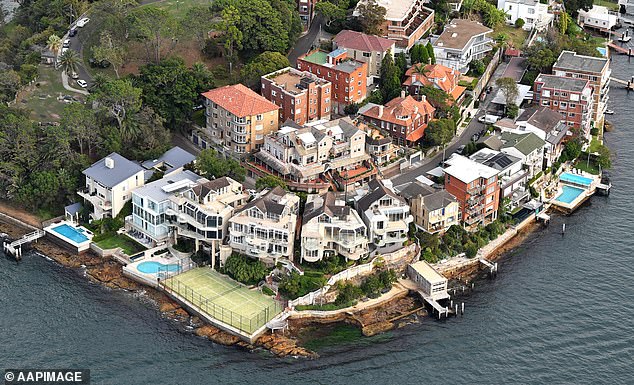
Reducing the Capital Gains Tax Discount: The report suggests reducing the capital gains tax discount from 50% to 33% to better reflect inflation and improve fairness between asset holders and wage earners.
This reform is also expected to help cool housing demand by reducing the tax advantage for investors in residential property.

Collectively, these reforms are projected to add an average of $57 billion per year to the underlying cash balance over the next decade.
The report highlights the growing disparity between revenue and spending, potentially more than doubling from $34.2 billion in 2026–27 to $84.8 billion in 2035–36. Net debt is projected to rise from 21.7% to 29.6% of GDP over the same period, placing a greater fiscal burden on younger generations.
Mr. Smith emphasized the intergenerational inequities resulting from maintaining the current tax system. “As debt mounts, and the reliance on personal income tax rises, the fiscal burden will disproportionately fall at the feet of younger, working-age Australians,” he said, posing the question: “If not now, when?”