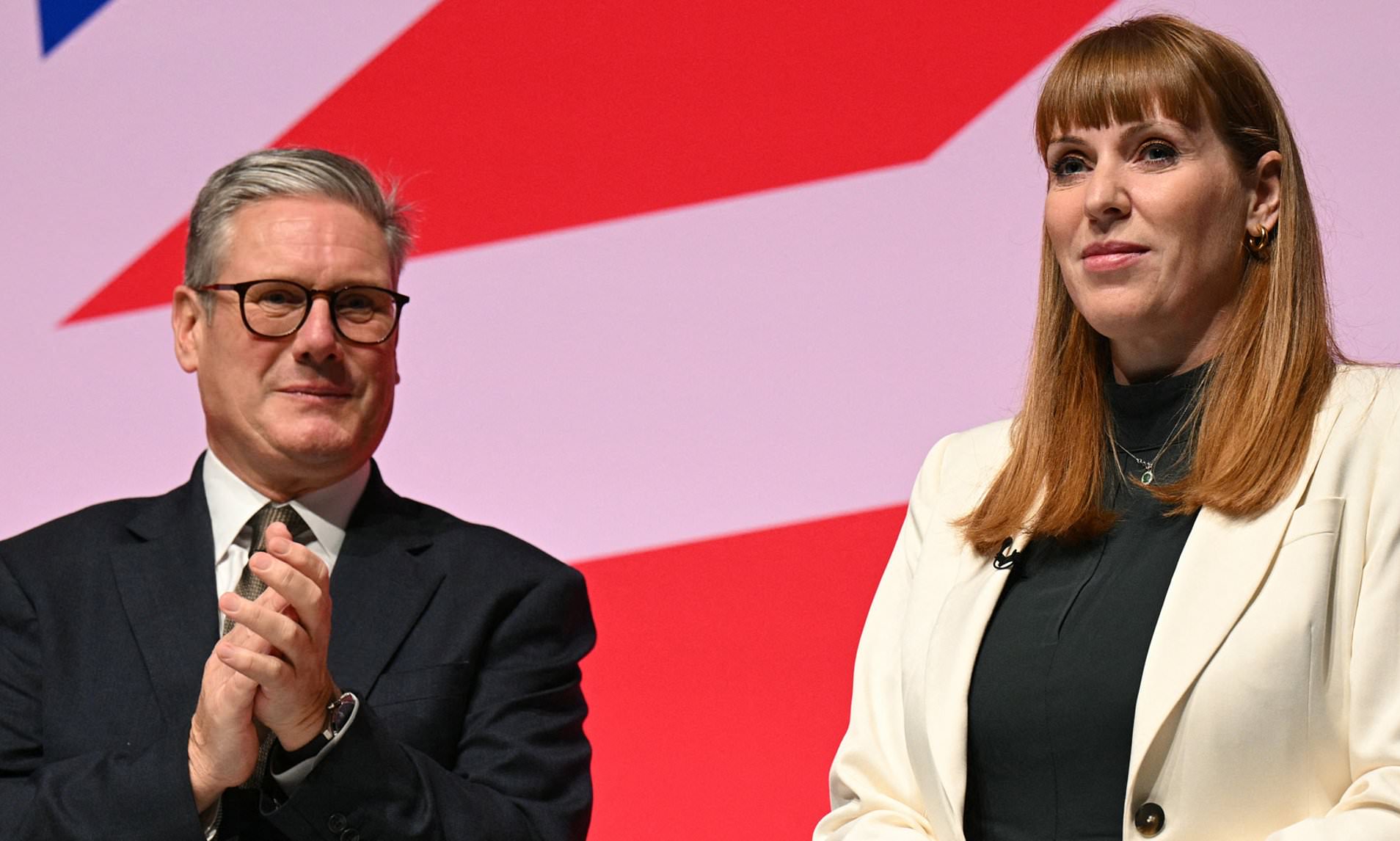

Angela Rayner has cautioned Keir Starmer against further compromising on her key Employment Rights Bill, a piece of legislation designed to bolster workers’ rights.
In a direct statement made in the House of Commons, the former deputy prime minister stressed the importance of standing firm on the bill, particularly concerning the right to strike. Employers have voiced concerns that the proposed changes could have significant financial implications, potentially costing the economy billions of pounds.

The Prime Minister previously faced criticism from within the Labour party for retracting a commitment outlined in their manifesto. This commitment would have granted employees the right to claim unfair dismissal from their very first day of employment.
Government insiders have indicated that this concession was necessary to facilitate the bill’s passage through the House of Lords, where it has faced considerable delays.
Rayner addressed members of the House of Lords, urging them to act swiftly, stating that there was “no more time to waste.” She accused them of aligning themselves with “vested interests” in an attempt to obstruct the manifesto promises upon which Labour was elected.
During a debate on the Employment Rights Bill, Rayner, who is being considered as a potential successor to Starmer as Labour leader, acknowledged the decision to reverse the day-one rights as a “tough decision.” However, she insisted that no further compromises should be made.
“Now is not the time to blink or buckle,” she asserted. “Let’s not wait a minute more – it’s time to deliver.”
Former Labour frontbencher Andy McDonald criticised the House of Lords for impeding the implementation of a manifesto commitment, arguing that ministers should not have yielded to pressure.
“The Lords should not block mandates and ministers should not capitulate,” he stated.
Rayner’s appearance in the Commons coincided with an analysis suggesting that her Employment Rights Bill could potentially cost the UK economy as much as £38 billion. Research conducted by the Growth Commission think-tank indicated that the plan to remove the cap on payouts for unfair dismissal claims could effectively double the anticipated financial burden on businesses.
Members of Parliament were expected to reject a series of amendments proposed by peers that aimed to weaken the Employment Rights Bill, despite concerns about its potential impact on the economy.
In a surprising development, ministers agreed to abandon a key manifesto pledge that would have allowed workers to claim unfair dismissal from their first day on the job.
As a compromise, employees will now be able to file a claim after six months of employment, a significant reduction from the current two-year waiting period. However, ministers have also agreed to remove the £118,223 cap on payouts, potentially opening the door to much larger claims. These changes were implemented following discussions between ministers and Rayner, who has been a strong advocate for the Employment Rights Bill within the government.
The employment law firm Lewis Silkin described the removal of the cap as a “seismic” change, warning that it “does not sound like a recipe for growth.” The British Chambers of Commerce echoed these concerns, stating that the plan would be “hugely damaging.”
Even after the government softened its stance on day-one rights, the Growth Commission projected that the Employment Rights Bill would cost the economy £23 billion over a five-year period.
The think-tank further warned that removing the cap on unfair dismissal claims could add an additional £15 billion to this figure. Shanker Singham, Chairman of the Growth Commission, commented: “This single piece of legislation continues to severely curtail the Government’s growth ambitions. Ministers would do well to remember that what chills the ability to fire, chills the ability to hire as the UK labour force participation rate continues to drop.”
Andrew Griffith, the Conservative business spokesman, urged ministers to reconsider their approach, cautioning that they seemed determined to “snuff out jobs and slow the economy with their red tape.”
He argued that the latest proposals would be “ruinously expensive for small businesses, and in the public sector it will leave the taxpayer on the hook for huge payouts for failure at the expense of our public services.”
Furthermore, it has been revealed that employers will be required to distribute what Griffith described as “pro-union propaganda” to their staff as part of the latest amendments to the legislation. The government will create an approved statement to prevent employers from discouraging union membership.
Unions are hopeful that this measure, along with other provisions in the Employment Rights Bill, will help reverse the long-term decline in union membership.