
Reform UK Claims Status as Britain’s Largest Political Party Amidst Labour Membership Decline
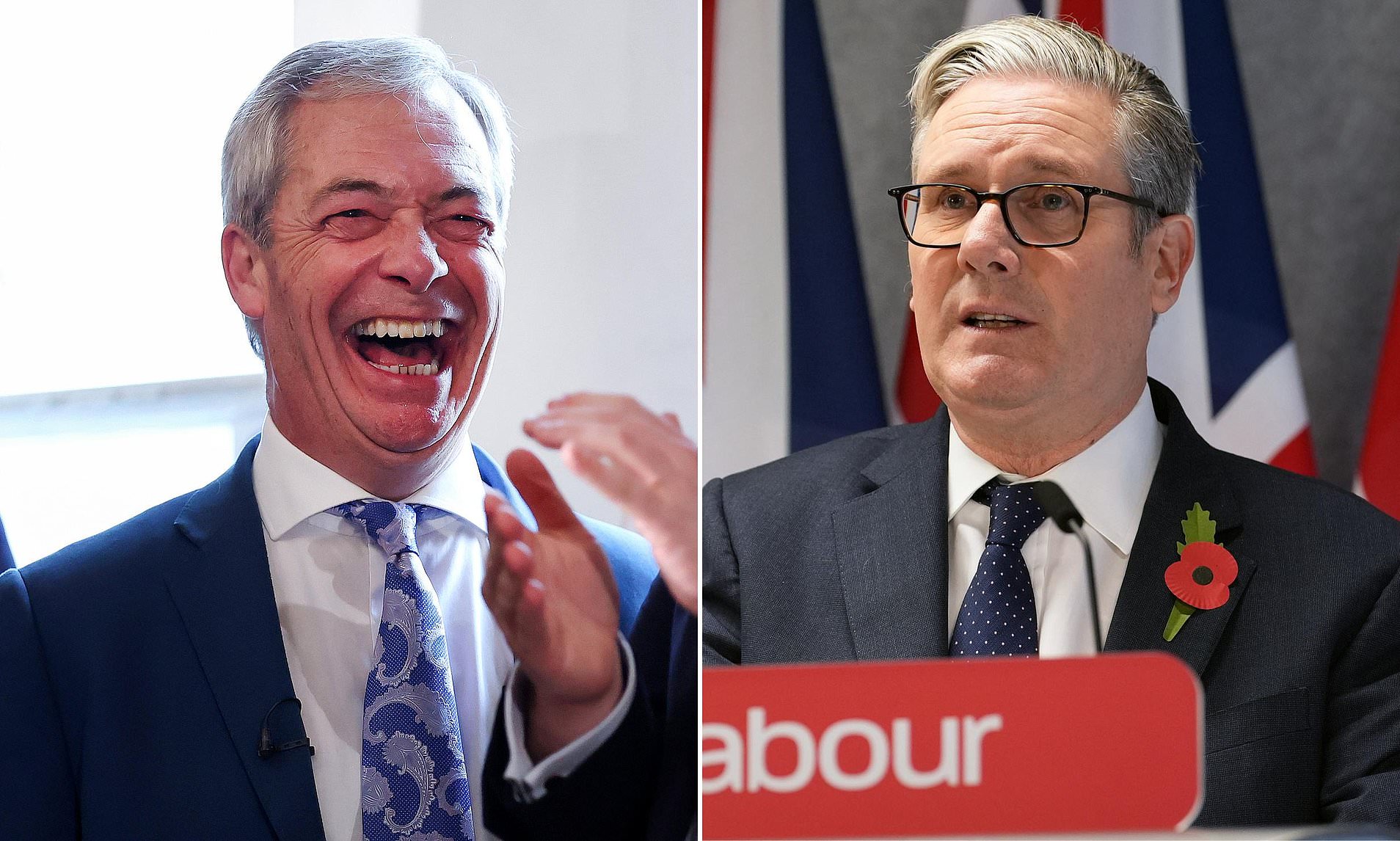
Reform UK has declared a significant milestone, asserting its position as the largest political party in Britain by membership. The party, formerly known as the Brexit Party, now boasts an impressive 263,631 paid-up members, according to its live counter displayed on its official website. This figure places Reform UK ahead of the Labour Party, whose internal figures reportedly show a membership count that has dipped below 250,000.
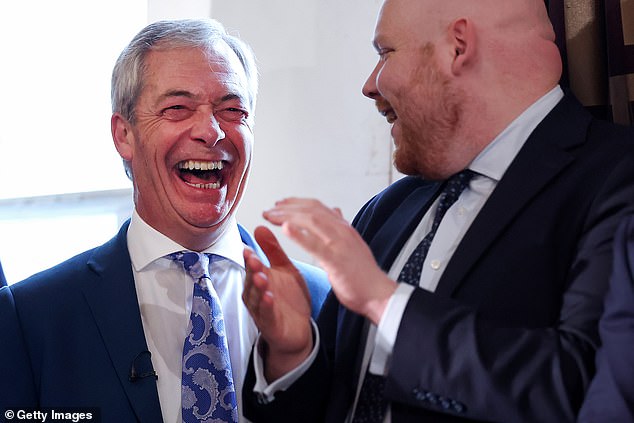
Nigel Farage, honorary president of Reform UK, commented on the development, stating, “As we have suspected for some time, Reform is now the largest political party in British politics – a huge milestone for us. The age of two-party politics is dead.” This statement underscores a potential shift in the UK’s long-standing political duopoly.

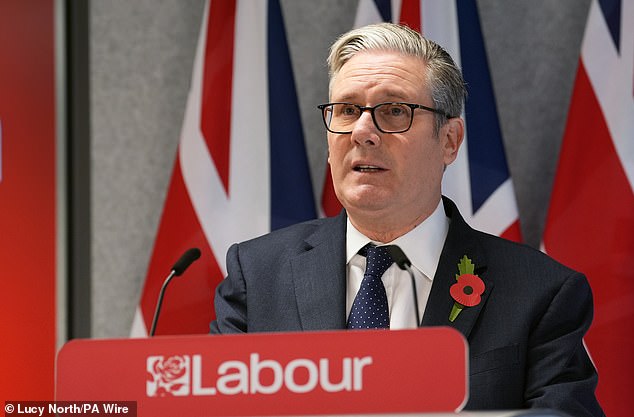
The decline in Labour’s membership is particularly striking. Since July of last year, when the party came to power, it has reportedly lost approximately one member every seven minutes. This represents a substantial decrease from its peak. When Keir Starmer assumed leadership in 2020, Labour commanded a membership of over half a million, making it the largest political party not only in the UK but also in Europe at the time.
However, membership numbers have been on a downward trend since the departure of Jeremy Corbyn. In the aftermath of last year’s general election, Labour experienced a significant loss, shedding one-tenth of its membership. The party ceased to publicly disclose its membership figures at the close of 2024, at which point it had 333,235 members.
Reform UK’s ascent in membership has been rapid. The party surpassed the Conservative Party’s membership count on Boxing Day of last year. Since then, the Conservative Party’s membership has continued to dwindle, standing at approximately 123,000 as of July.
Meanwhile, other parties have also seen membership fluctuations. The Green Party has experienced a notable increase, growing its membership from 126,000 to 180,000 since October. This growth has led the Green Party to echo the sentiment that “two-party politics is over.”
The Liberal Democrats, according to figures released in August, had 83,174 members, indicating a slight decrease compared to the previous year.
Adding to the evolving political landscape, Jeremy Corbyn’s new venture, Your Party, has attracted around 50,000 members. This number, while significant, represents a smaller portion of the 800,000 individuals who expressed interest in joining the party following its launch in July.
Reform UK has been steadfast in its defense of its membership figures, particularly after Conservative leader Kemi Badenoch questioned the accuracy of the party’s “fakery” claims. A spokesperson for Reform UK asserted the integrity of their live membership counter, stating, “Every single number on the Reform counter is a paid-up member. It projects in real time and is never more than a few thousand up or down.”
A Labour spokesperson, when contacted for comment, indicated that the party’s membership figures are officially published in their annual report and that they do not provide “a running” update.
Key Membership Figures and Trends:
- Reform UK:
- Current Paid-Up Members: 263,631 (as per live counter)
- Overtook Conservatives: Boxing Day last year.
- Labour Party:
- Current Paid-Up Members: Below 250,000 (internal figures)
- Peak Membership (2020 under Keir Starmer): Over 500,000
- Membership at end of 2024: 333,235
- Recent Decline: Lost approximately one member every seven minutes since July last year.
- Conservative Party:
- Current Members: Approximately 123,000 (as of July)
- Green Party:
- Membership Growth: Increased from 126,000 to 180,000 since October.
- Liberal Democrats:
- Members (as of August): 83,174 (slight fall on the year)
- Your Party (Jeremy Corbyn):
- Current Members: Around 50,000
- Expressed Interest: 800,000
The reported surge in Reform UK’s membership numbers suggests a potential seismic shift in the UK’s political terrain, challenging the established dominance of the two major parties and signaling a potential fragmentation of the traditional political landscape. The ongoing dynamics of party membership will be closely watched as they could foreshadow significant changes in future electoral outcomes.